• 2 min read
Safer route-ranking AI earns CVPR 2026 highlight
Seoul National University’s SafeDrive ranks candidate driving paths by safety score, and the work was picked as a CVPR 2026 highlight paper.
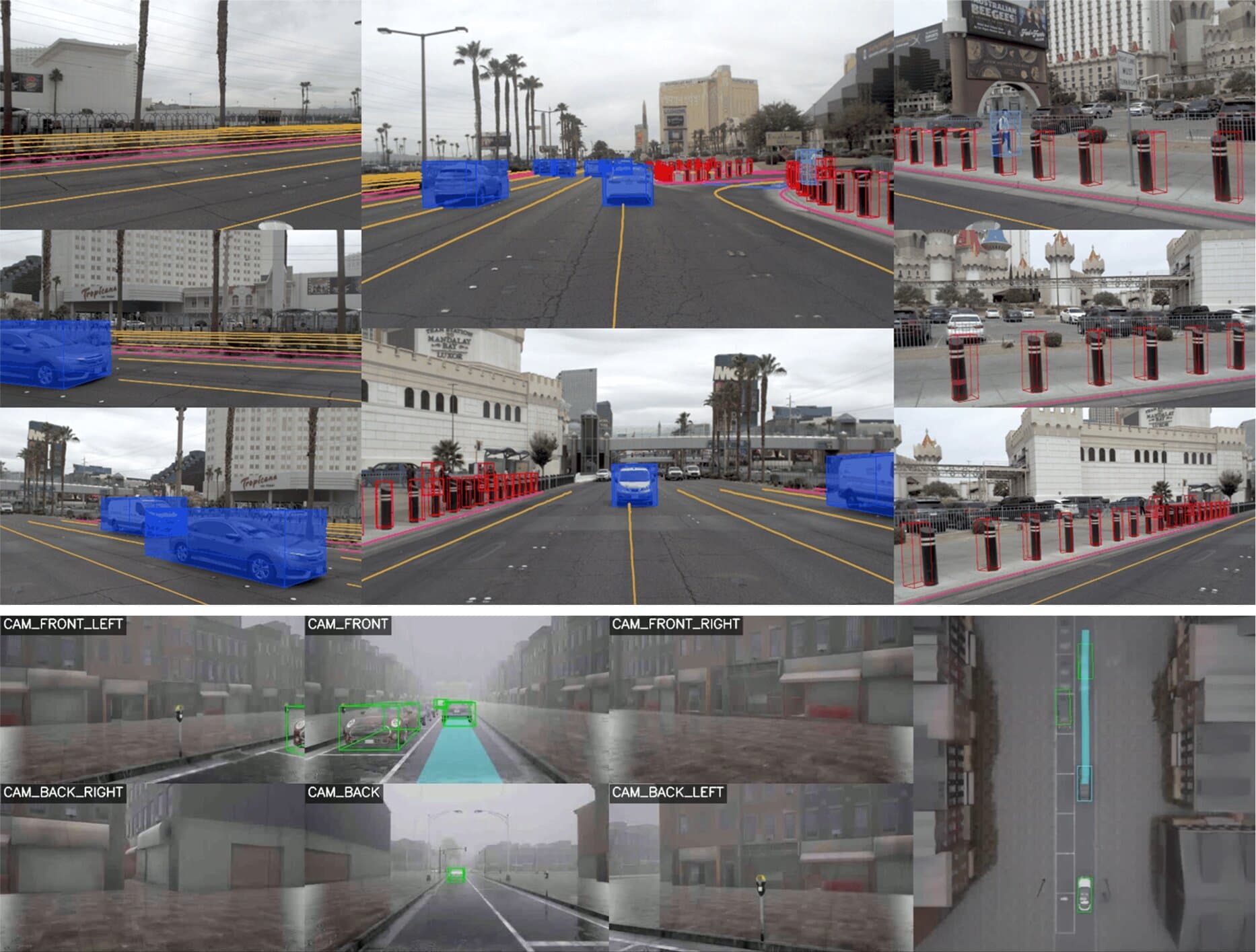
Image: TechXplore
A Seoul National University team says it has built an end-to-end autonomous driving model that scores multiple possible routes before choosing the safest one, a step aimed at making these systems easier to trust and interpret.
The project, called SafeDrive, was led by Jun Won Choi, a professor in the Department of Electrical and Computer Engineering at Seoul National University College of Engineering. The work was selected as a highlight paper at CVPR 2026, a distinction the source says goes to about 3% of all submissions and roughly 10% of accepted papers.
SafeDrive uses what the team calls Fine-grained Safety Reasoning. The method evaluates several candidate driving trajectories generated by the model, combines them with perception results, and assigns a quantitative safety score to each one. That allows the system to pick an optimal path while addressing two persistent weaknesses in end-to-end driving systems: safety and interpretability.
Recommended reading
Driving Slower Could Save $22M a Day in Fuel
The announcement places the work within a broader shift toward Physical AI-based autonomous driving approaches, where large-scale driving data is collected, refined, and used to mimic human driving decisions. According to the source, this is the first domestically developed end-to-end autonomous driving paper to be both accepted at CVPR and selected as a highlight paper.
The model has already been folded into EAD (Evolutionary Autonomous Driving), described as a reference model for commercializing end-to-end autonomous driving. EAD is being developed by an SNU-led consortium with support from the Ministry of Trade, Industry and Energy. Validation studies are also underway with Korean autonomous driving companies to deploy the model in real vehicles.
“We will continue to advance this technology and build an open ecosystem that enables collaboration and knowledge sharing with industry, ultimately leading to real-world commercialization. Going forward, we plan to further enhance the performance of the EAD model using larger datasets and achieve full commercialization of end-to-end autonomous driving through the use of our own collected data.”

Frontier Editor
Dan is our resident futurist, covering electric mobility, space exploration, and the smart home. He's interested in atoms just as much as bits. Whether it's a new battery chemistry, a reusable rocket, or a protocol that finally makes IoT devices talk to each other, Dan breaks down the engineering that pushes humanity forward.
via TechXplore