• 2 min read
Samsung and Hynix take cautious approach to memory chip capacity expansion
Memory chip makers Samsung and SK Hynix are resisting the urge to ramp up production aggressively despite ongoing turmoil in the memory market. Reports indicate both companies intend to maintain a cautious approach towar
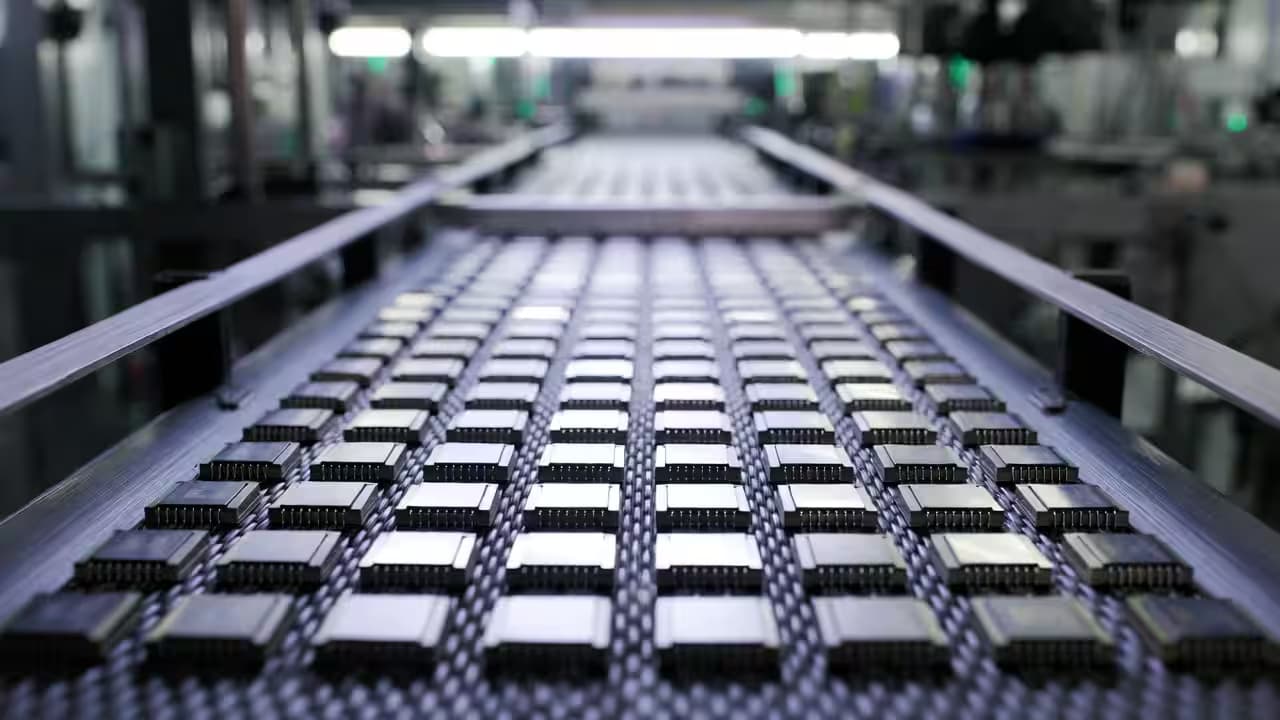
Image: ixbt.com
Memory chip makers Samsung and SK Hynix are resisting the urge to ramp up production aggressively despite ongoing turmoil in the memory market. Reports indicate both companies intend to maintain a cautious approach toward expanding manufacturing capacity even as demand experiences temporary fluctuations. Samsung, for instance, expects the current supply shortage to subside by 2028-a relatively swift turnaround in an industry where new fabs require long lead times and vast investments.
The memory sector vividly recalls the post-COVID slump, when demand collapsed unexpectedly, leaving manufacturers with excess inventory and costly idle capacity. This experience is shaping a more measured stance now, with companies reluctant to accelerate capacity expansions beyond previously approved plans-even amid surging demand driven by AI and cloud computing.

Recommended reading
RedMagic Astra 2 brings liquid cooling to tablets
Building new fabs takes years and billions of dollars, and premature capacity growth risks flooding the market later, triggering another price crash. Samsung and Hynix’s strategy reflects wariness to repeat past overproduction mistakes. While neither company is halting factory construction entirely, expansions will proceed at a controlled pace aligned with long-term demand forecasts rather than opportunistic short-term spikes.
This cautious approach contrasts with memory giants' behavior in prior growth cycles, where exuberant investment often contributed to brutal price swings. Given the memory market’s cyclical nature, careful capacity management is now a priority to balance supply with anticipated improvement by 2028. The emphasis on financial discipline may benefit companies' margins and market stability amid volatile industry dynamics.

Computing Editor
Tomas lives in the terminal. He covers chips, laptops, and operating systems with a focus on performance and efficiency. He reads kernel changelogs the way other people read fiction, and he's always on the hunt for the perfect mechanical keyboard switch. If it processes data, Tomas has an opinion on it.
via ixbt.com