• 3 min read
Samsung bets on titanium to toughen foldable screens
Samsung says its new Flex Titanium display tech makes foldables thinner and tougher, after roughly three years of development and 500,000-fold testing.
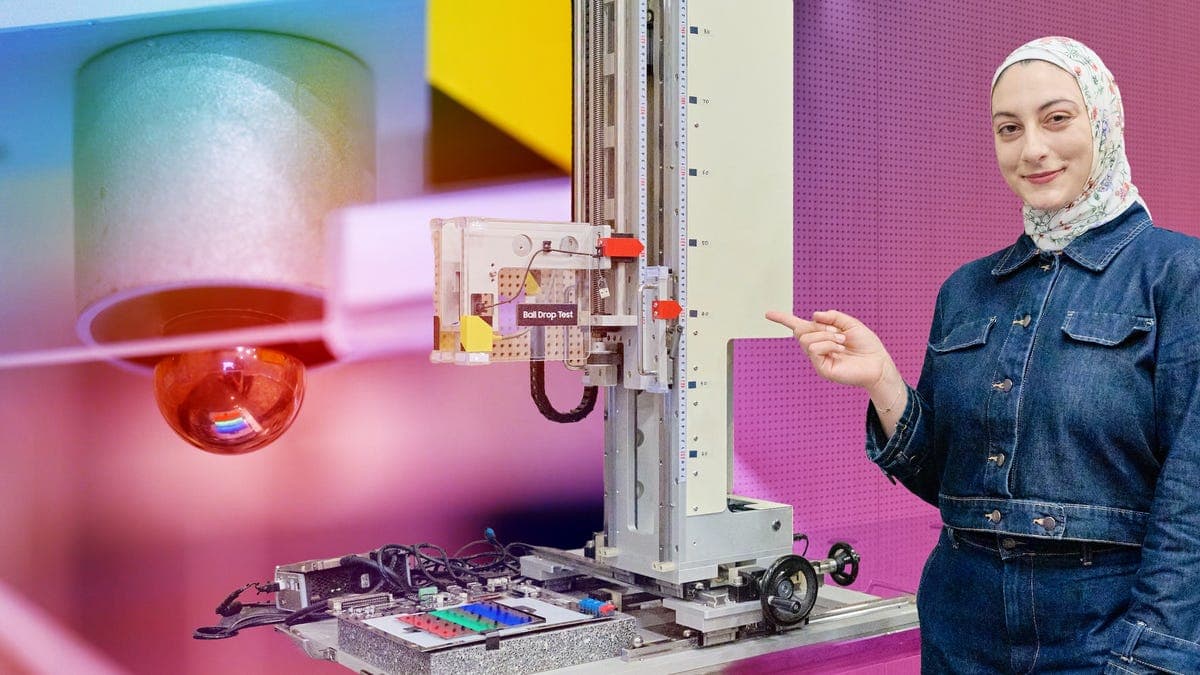
Image: CNET
Samsung is pushing its foldable displays through 500,000 folding tests, -20 to 60 degrees Celsius temperatures, and repeated impact checks as it prepares a new screen technology for upcoming Galaxy devices. During a mid-June visit to Samsung Display’s high-security lab in South Korea, CNET got a rare look at how the company stress-tests the panels destined for phones including the Galaxy Z Fold 8.
On Tuesday, Samsung introduced Flex Titanium, a display structure that combines a titanium-alloy film with a titanium plate. The goal is straightforward: make foldable screens thinner and more durable without adding bulk. Samsung Display, which supplies screens for Samsung Electronics and rivals including Apple, said it spent about three years developing the technology after reviewing customer feedback across seven generations of foldables.
“We have to understand user behavior and various display challenges like dropping or pressure with a large object or a tiny object.” “Because of that, we have developed a very comprehensive and sophisticated evaluation method to understand user behavior in the real world.”
Inside the lab, machines run continuously, folding and unfolding panels until they pass that 500,000-fold threshold. With the chamber sealed, Z Fold 8 panels are exposed to temperatures from -20 degrees to 60 degrees Celsius — or -4 degrees to 140 degrees Fahrenheit. Samsung monitors the process with eight camera angles, looking for problems such as the display lifting from the frame.
Recommended reading
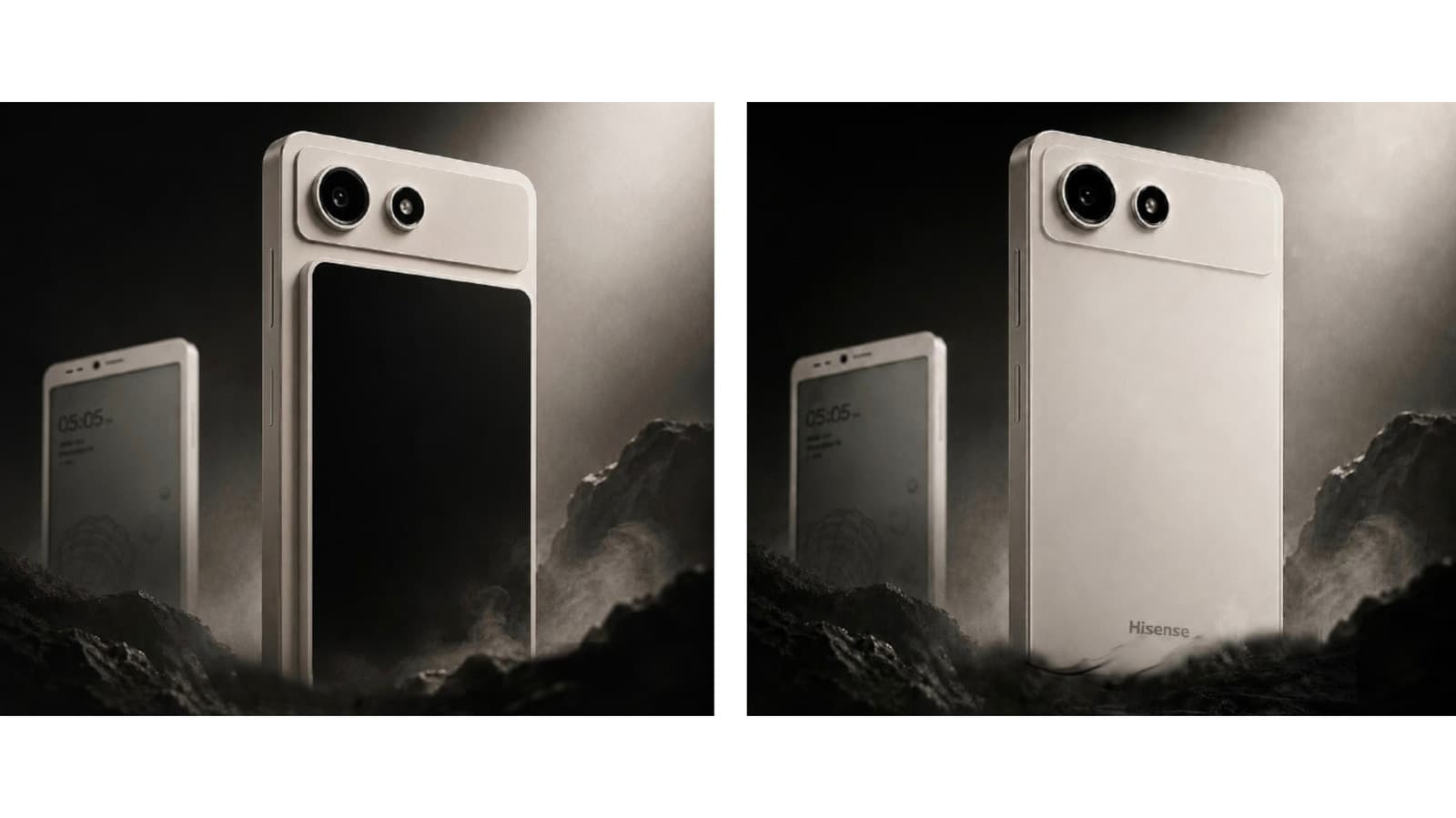
Hisense A10 pairs E Ink with a snap-on color screen
A separate system checks brightness, color, and reflectivity. Samsung says lower reflection improves color depth, visibility in bright conditions, and reduces mirror-like glare. Testing a single panel takes about three minutes.
Samsung also uses a 220-pound impact-testing machine that drops a 21-gram metal ball from 30 centimeters onto the display three times to check for cracks. In CNET’s demo, the company increased the height to 40 and 50 centimeters, and the panel still avoided damage by absorbing and distributing the pressure.
What changed in Flex Titanium
Samsung says titanium-alloy film is 20 times stiffer mechanically than polymer film, helping it better hold its shape. That layer sits below the OLED panel and is less than one-third the thickness of a human hair. Beneath it is the titanium plate, which Samsung says improves support when the phone is unfolded while preserving flexibility.
The Z Fold 7 already used a titanium plate, but Samsung says the older design still relied on multiple polymer-based support layers. Flex Titanium replaces those with a single titanium-alloy film, trimming the display module while maintaining strength and durability.
Samsung also says the new display reduces the crease, still one of foldables' most visible compromises. CNET notes the June prototype still showed a slight crease, but less than the one on the Z Fold 7.
Samsung is expected to share more about Flex Titanium and its next Galaxy foldables, including the Z Fold 8, at its summer Unpacked event on July 22.
“Years ago, Samsung created this foldable category.” “And the foldable display and the structure we developed became the standard. So we feel some responsibility for this market; we have to make a better display.”

Gadgets Editor
Eli is obsessed with the tangible future. He reviews phones, wearables, and everything with a battery. Known for his rigorous testing protocols and unabashed teardowns, Eli has broken more review units than he cares to admit, all in the name of discovering the truth about durability and repairability.
via CNET