• 2 min read
SanDisk’s new USB-C flash drives hit 256GB and 250MB/s
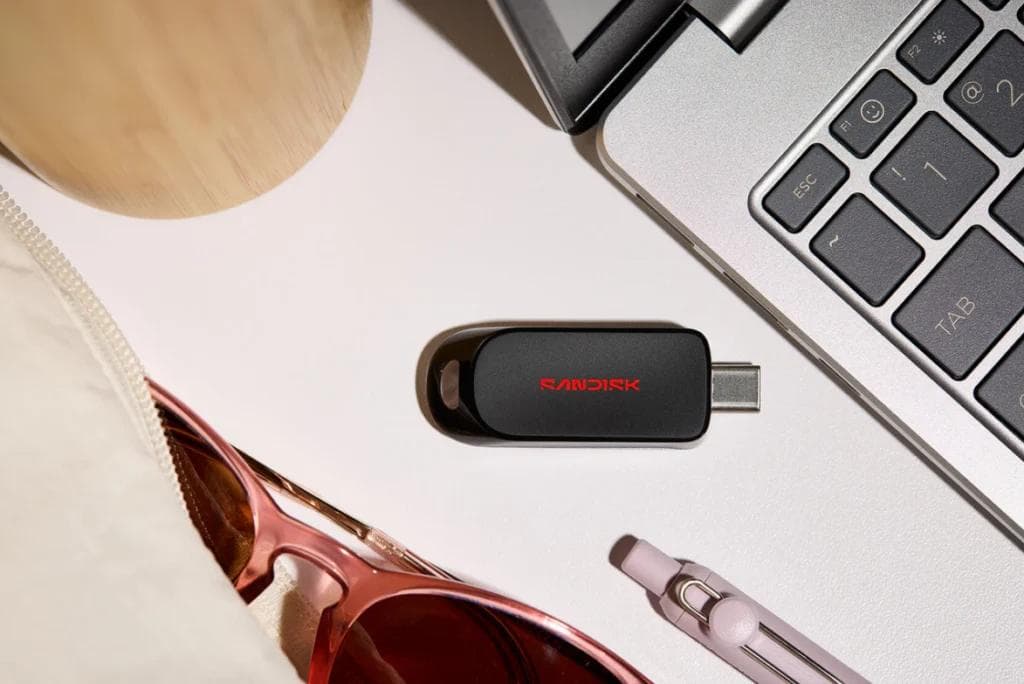
SanDisk has launched its CZB USB-C flash drive line globally and in China, with up to 256GB of storage and read speeds up to 250MB/s.
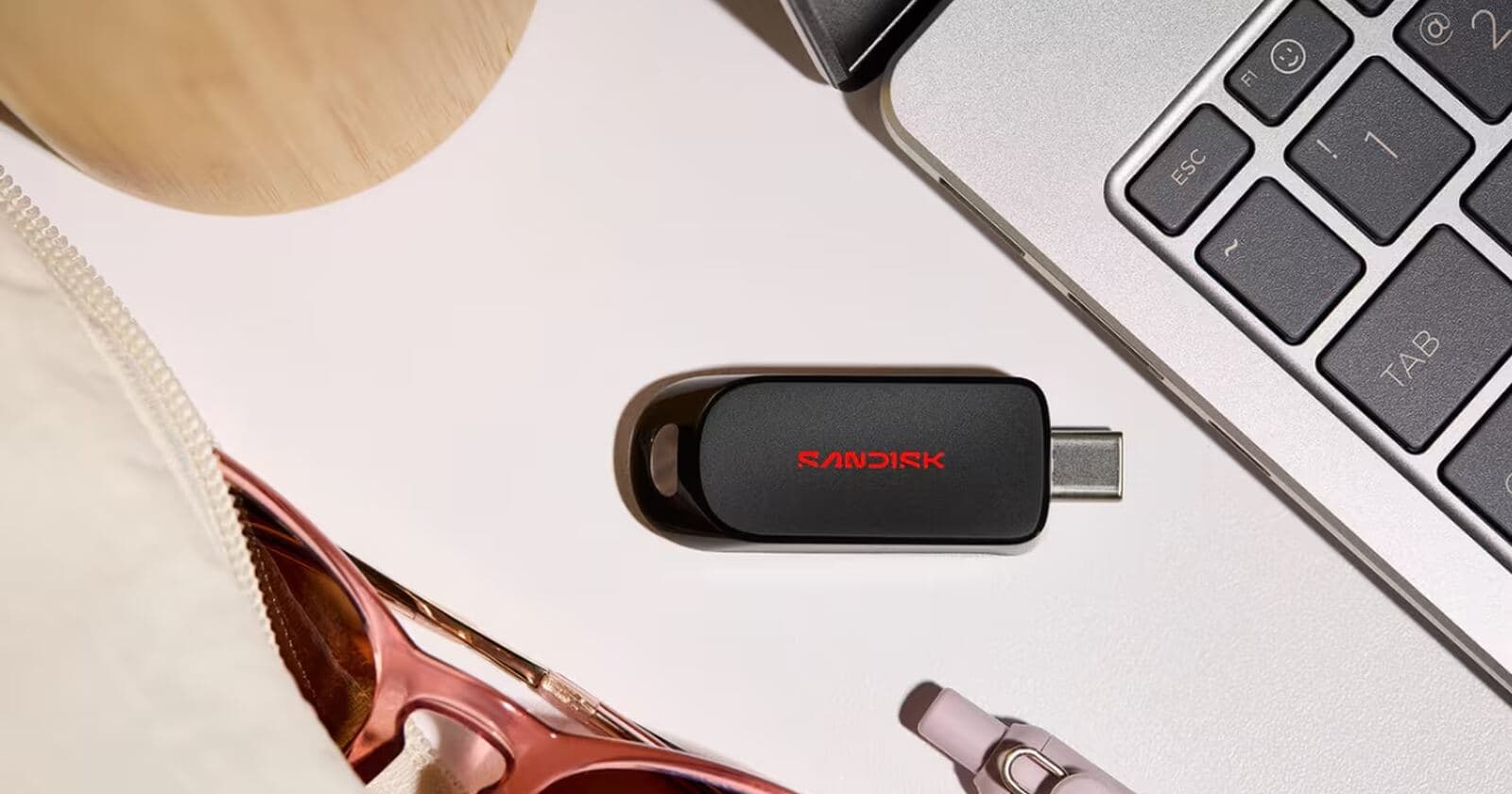
Image: gizmochina
SanDisk has introduced its CZB series of USB-C flash drives, aimed at quick file transfers between laptops, smartphones, and tablets without relying on the older USB-A connector. The lineup is launching both globally and in China, with the top model offering 256GB of storage and read speeds of up to 250MB/s.
This is a straightforward product: a compact flash drive built around the now-common USB-C port. SanDisk says the drives use USB 3.2 Gen 1, which supports bandwidth of up to 5Gbps. The body is small and black, includes a loop for a keyring or lanyard, and weighs about 6 grams.
SanDisk rates the drives for sequential read speeds of up to 250MB/s. That is well below the performance of many portable SSDs, which often reach 500MB/s or more, but it should be enough for documents, photos, and routine large-file transfers.
The series comes in 64GB, 128GB, and 256GB versions. SanDisk separately says the largest model can hold around 60,000 photos, though actual capacity will depend on the camera and file format.
Out of the box, the drives support:

Recommended reading
Adobe Firefly keeps prices low and editing sharp
- Windows 10
- Windows 11
- macOS Monterey or later
Pricing is as follows:
- 64GB — $24.99, currently $19.99; 129.9 yuan in China
- 128GB — $24.99; 199 yuan in China
- 256GB — $53.99, currently $42.99; 349 yuan in China
The broader market is getting more competitive. As the source notes, compact flash drives now compete not just with similar USB sticks, but also with pocket-sized SSDs offering both USB-C and USB-A, including a recent Asus model with claimed speeds up to 500MB/s and capacities up to 1TB. That leaves the CZB line positioned as a simpler, cheaper way to carry storage without adapters or legacy ports.

Computing Editor
Tomas lives in the terminal. He covers chips, laptops, and operating systems with a focus on performance and efficiency. He reads kernel changelogs the way other people read fiction, and he's always on the hunt for the perfect mechanical keyboard switch. If it processes data, Tomas has an opinion on it.
via ITzine