• 2 min read
Rosatom to build CNC motors in Russia by 2027
Rosatom plans to start producing CNC machine motors in Russia in the second half of 2027, targeting a key import-dependent part of the supply chain.
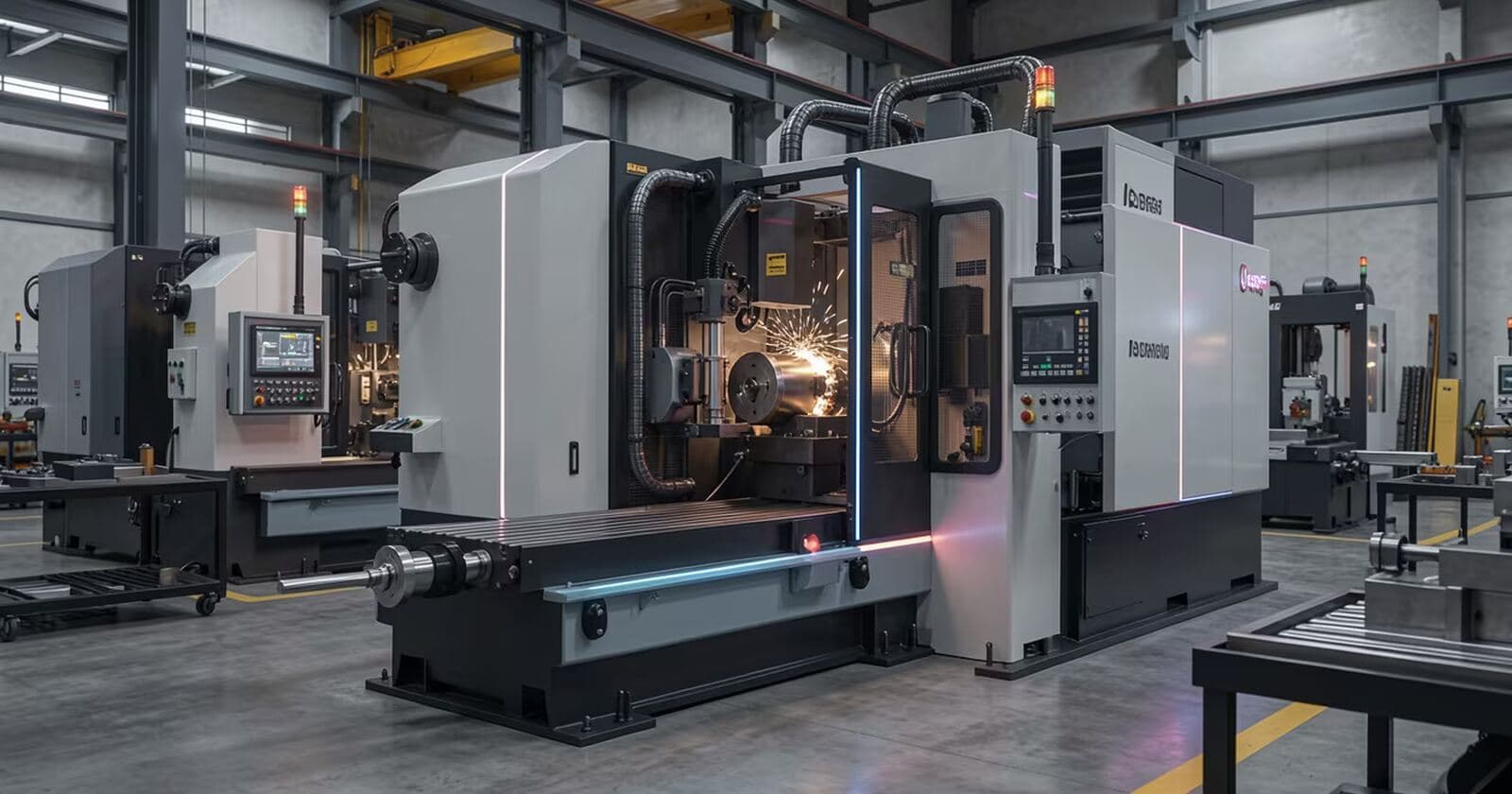
Image: ITzine
Rosatom says it plans to begin producing electric motors for metalworking CNC machines in Russia in the second half of 2027. For the domestic machine-tool industry, that would mark a notable shift: spindle and drive units at this level have not previously been mass-produced in the country.
The company intends to make two types of motors, both used as part of a full CNC equipment stack. Synchronous motors handle the movement of machine working parts and tool motion along axes. Asynchronous motors are intended for the spindle, the core assembly that enables turning and milling machines to operate.
Production is expected to be based on engineering documentation prepared by Rosatom’s specialized enterprises. The new components will be folded into Atomika, Rosatom’s machine-control ecosystem.
Rosatom machine-tool integrator CEO Vadim Sukharev singled out spindle motors as a particularly new area for Russian industry. That matters because spindle motors heavily influence a machine’s precision, speed, and load handling. For factories in mechanical engineering, aerospace, the nuclear sector, shipbuilding, oil and gas, and instrument manufacturing, the component is as critical as the control system itself.

Recommended reading
Workday says the SaaS apocalypse is overblown
Globally, the market for high-precision drives and spindle motors has long been dominated by major suppliers from Japan, Germany, and China, which often sell complete control ecosystems alongside the motors. Against that backdrop, Rosatom’s plan is not just about opening a new production line, but about entering a supply chain where component compatibility, stable delivery, and repeatable performance are essential.
CNC machines remain one of the most import-dependent categories in industry. Even when the machine itself is assembled in Russia, the most complex components often come from abroad, leaving delivery times and pricing exposed to external restrictions. If Rosatom brings the project to series production in 2027, Russian machine builders would gain another domestic source for full-cycle equipment assembly. The next test is whether the motors can reach industrial-scale production without sacrificing accuracy or service life.

Enterprise Editor
Marcus follows the money. He covers enterprise software, cloud architecture, and the tectonic shifts in Big Tech strategy. He translates dense earnings calls and complex M&A activity into actionable insights about where the industry is actually heading. If a tech giant makes a silent pivot, Marcus is usually the first to notice.
via ITzine