• 3 min read
Spatial audio is everywhere — here’s what it really does
Spatial audio, immersive audio, and Dolby Atmos are not the same thing. The best setup still depends on your format, hardware, and whether head tracking is involved.
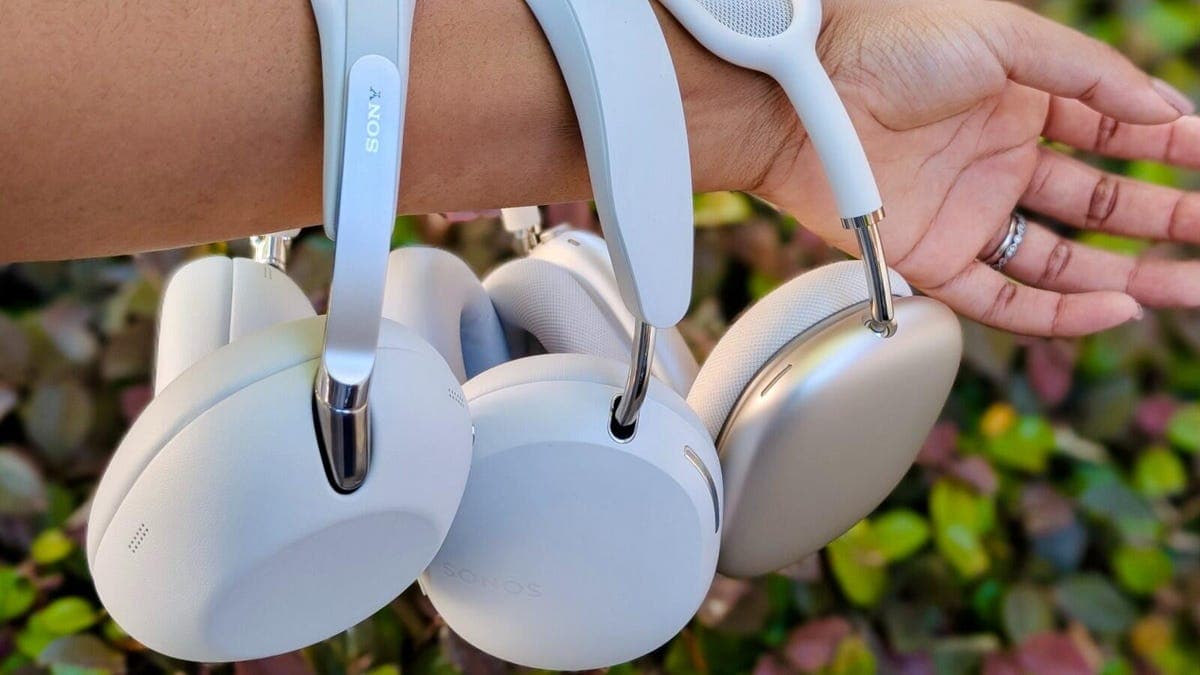
Image: ZDNET
Spatial audio has become a standard pitch for premium headphones, earbuds, speakers, and soundbars, but the term covers several different pieces of the listening experience. As ZDNET explains, immersive audio is the sensation of sound coming from all around you — above, behind, in front, left, and right — while spatial audio usually refers to the rendering technology inside devices such as headphones and earbuds.
That distinction matters. Formats such as Dolby Atmos and DTS:X are the actual immersive audio formats used by streaming platforms including Apple Music and Disney+. Spatial audio tech then takes that material and renders it into a 3D soundscape, often adding head tracking so the sound shifts as you move.
Apple’s own setup is a good example: the company markets “Dolby Atmos with Dynamic Head Tracking.” In that case, Dolby Atmos is the audio format, while Dynamic Head Tracking is Apple’s spatial rendering layer.
Recommended reading
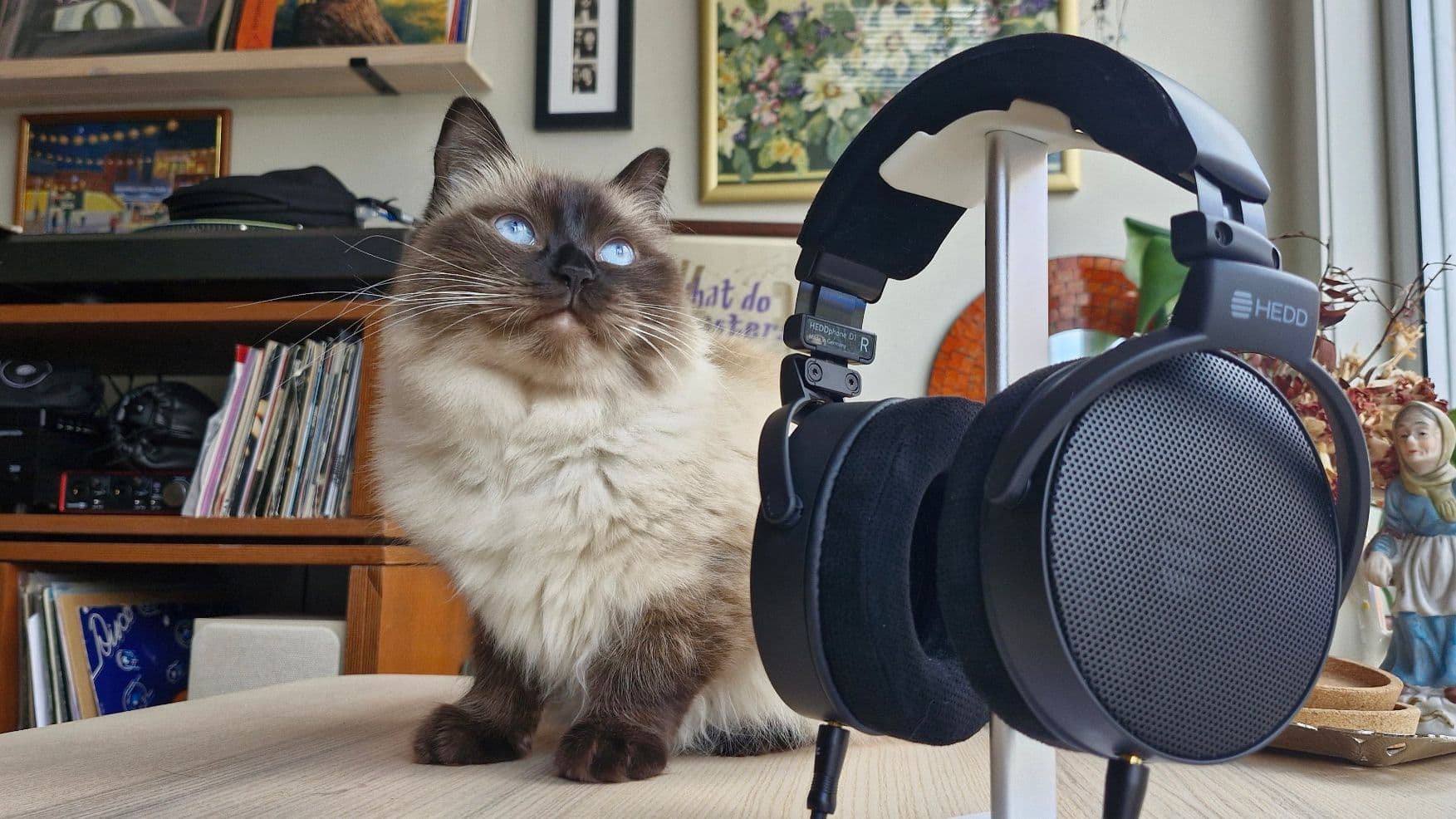
HEDDphone D1 nails the brief at $799.99
Most headphones can technically play Dolby Atmos content because the encoding happens on the source device, such as a phone or laptop. But the quality of the effect varies widely. According to ZDNET, headphones including Apple’s AirPods, Sonos Ace, and Sennheiser Momentum 5 are optimized for Dolby Atmos playback and include proprietary head-tracking features.
The best overall way to hear immersive audio is still through multiple speakers, not headphones. A home theater setup with a soundbar, rear speakers, and upfiring speakers for height channels offers better physical separation and more convincing sound localization. ZDNET says even a three-speaker setup can outperform headphones for 3D audio.
Headphones are inherently limited by having just two speakers positioned close to your ears, so spatial processing has to simulate location cues artificially. ZDNET says this is why some implementations sound better than others, and notes that models relying heavily on proprietary upmixing — including Sony’s WH-1000XM6 and Bose QuietComfort Ultra (2nd Gen) — can sound unreliable or overly digitized.
You can also have Dolby Atmos without spatial audio. If Atmos is enabled on a service like Apple Music, you can hear the expanded mix through headphones even if head tracking is off. In that case, the soundstage may feel wider, but it will not move with your head. The reverse is also true: some brands, including Apple, JBL, Bose, Sony, and Sennheiser, let users apply spatial effects to ordinary stereo tracks, with mixed results.
The head-tracking part relies on accelerometers and gyroscopes inside the headphones. Those sensors monitor head movement and orientation relative to your device, allowing the system to keep the virtual sound field anchored in space.
That is also why Apple Music emphasizes Dolby Atmos rather than Spatial Audio in its interface. Dolby Atmos is the master audio format used for the track, while Apple’s Spatial Audio is the playback technology that adds the moving 3D effect on compatible hardware.

Gadgets Editor
Eli is obsessed with the tangible future. He reviews phones, wearables, and everything with a battery. Known for his rigorous testing protocols and unabashed teardowns, Eli has broken more review units than he cares to admit, all in the name of discovering the truth about durability and repairability.
via ZDNET