• 2 min read
Tatneft gas station blocks Element chip plant expansion
A court in Mari El rejected Element’s bid to clear land beside its Yoshkar-Ola semiconductor plant, where a Tatneft gas station control building stands.
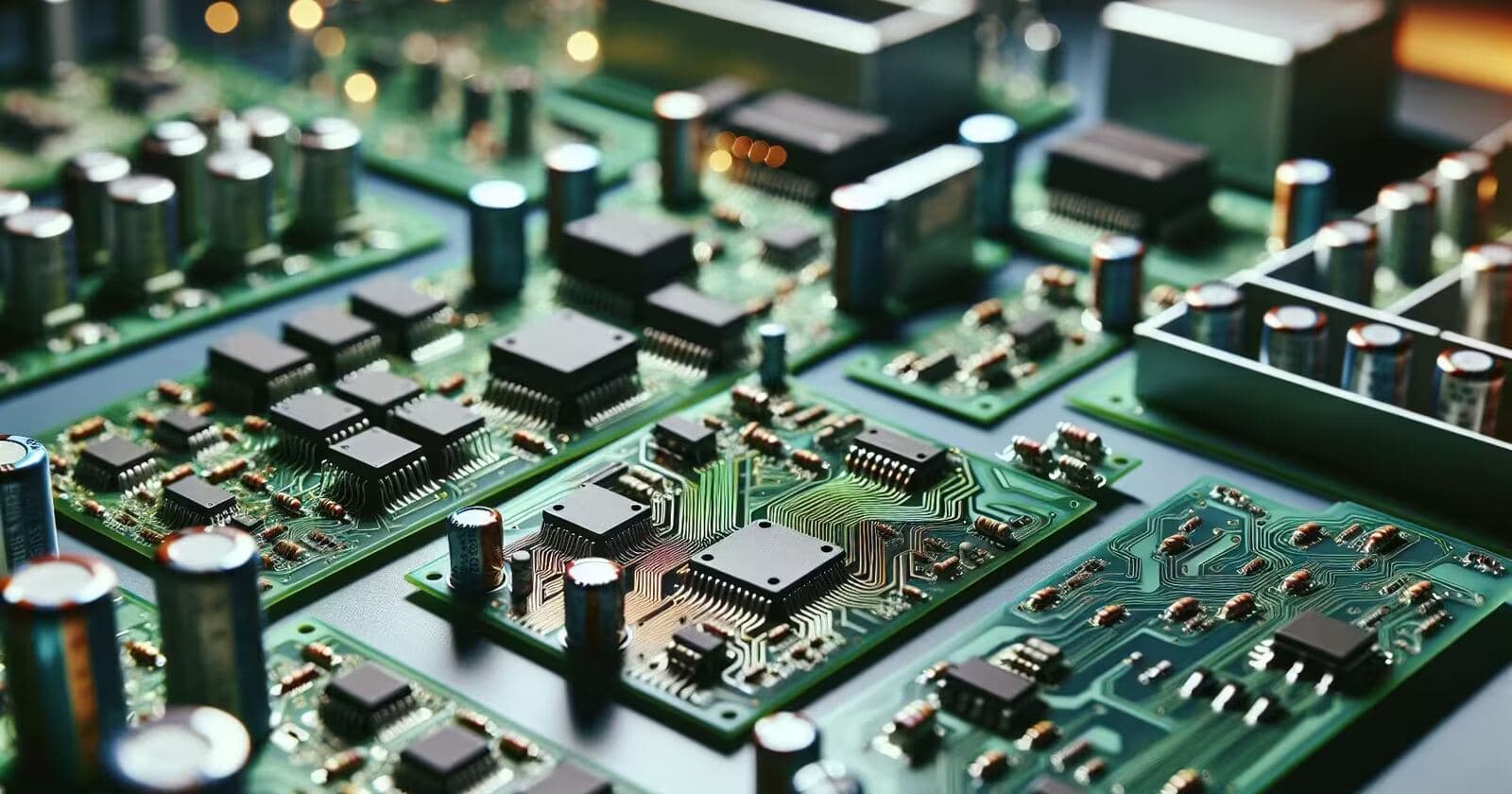
Image: ITzine
Element Group has failed to win a court order clearing a plot next to its semiconductor device plant in Yoshkar-Ola. The land is occupied by the control building of a Tatneft gas station, and that structure has become an obstacle to the company’s expansion plans.
The Arbitration Court of Mari El rejected Element’s request to have the building declared an unauthorized structure and the site vacated. Element still has the right to appeal, so the dispute over the land beside the factory is not over.
The case matters beyond a routine property boundary fight. Element had previously outlined plans for a new building to produce metal-ceramic packages, the components used to protect and mount complex electronic parts. They are not high-profile products, but many industrial and telecom devices depend on them.
In 2024, the factory expansion project was valued at about 10 billion rubles. At the time, the company also spoke about increasing output to tens of millions of units per year.
Element combines assets in the electronic component base segment and is considered one of the more notable players in the Russian microelectronics market. Domestic manufacturing remains a state priority for consumer electronics, industry, communications, transport, and defense orders. The same applies to chip packaging, where metal-ceramic enclosures can determine how a component performs in demanding environments.

Recommended reading
Inside Google’s house voice as faith turned into spin
According to the case materials cited by the source, Tatneft is seeking to preserve an already operating facility, while Element wants access to a site intended for the expansion. If Element files an appeal, the legal fight could continue for several more months.

Enterprise Editor
Marcus follows the money. He covers enterprise software, cloud architecture, and the tectonic shifts in Big Tech strategy. He translates dense earnings calls and complex M&A activity into actionable insights about where the industry is actually heading. If a tech giant makes a silent pivot, Marcus is usually the first to notice.
via ITzine