• 2 min read
Tesla shows Cybercab with built-in Starlink V5
Tesla says its upcoming Cybercab will include a built-in Starlink V5 dish alongside GPS and 5G LTE, despite the fleet still being tiny.
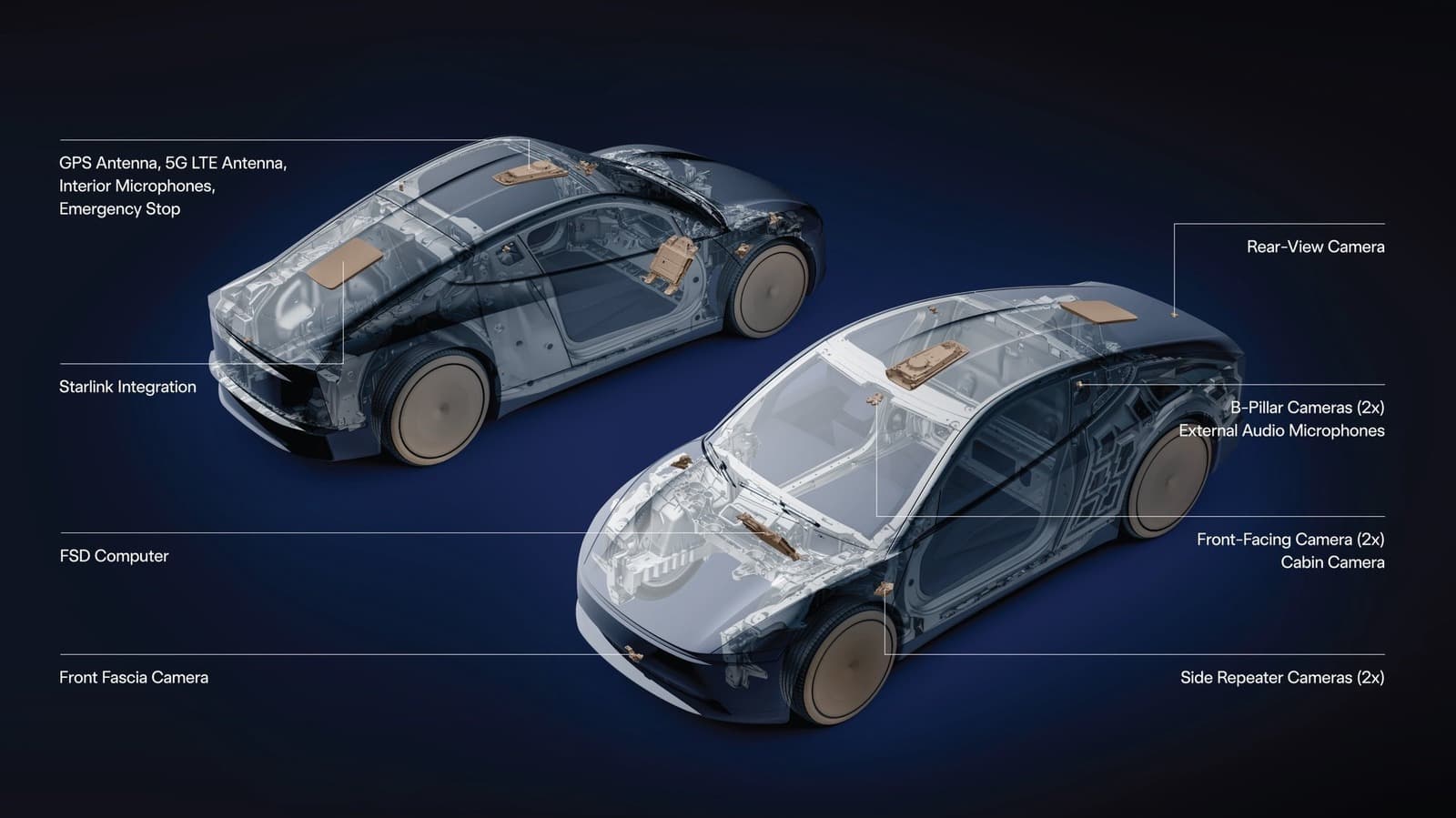
Image: Engadget
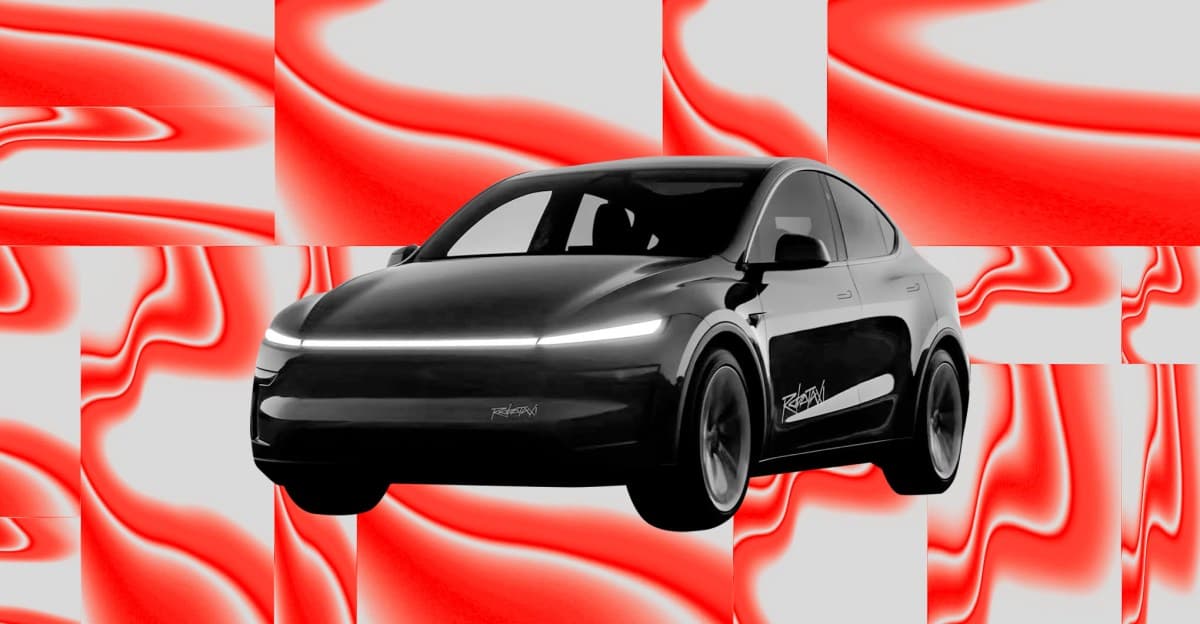
Tesla has revealed a new Cybercab design with a built-in SpaceX Starlink V5 dish, extending one more link between Elon Musk’s companies. In a post on X, the company shared a cutaway view showing several ways the vehicle could connect to the outside world, including a GPS antenna, 5G LTE, and Starlink.
In a separate post, Tesla wrote:
“High-speed internet from space for the future of autonomous vehicles.”
Tesla said the integrated dish will be the Starlink V5 announced last week. According to the company, the V5 is smaller and more energy-efficient than earlier models, but its speeds are slightly lower: 375+ Mbps, versus 400+ Mbps for the V4.
Recommended reading
Tesla expands Robotaxi service to Orlando and Tampa
That creates an odd fit for the Cybercab as currently described. Starlink lists the V5 as offering “home internet” capabilities only, unlike the Starlink Mini, which is designed for use “on the go.” The current Cybercab use case also raises questions, since the few vehicles that exist operate only in cities, where 5G is already common. The source notes that US cities average 175 Mbps, roughly half the speed of the Starlink V5.
With both a built-in 5G antenna and Starlink, the Cybercab would have redundant internet access that may seem excessive for short urban trips. Still, satellite connectivity could help with fleet operations such as inter-vehicle communication, navigation, and remote support without relying entirely on a cellular signal.
Tesla still has not said when the new Cybercabs will arrive. For now, the fleet remains small: just 39 unsupervised rider vehicles, according to the Robotaxi Tracker site, and 770 total, including supervised vehicles.

Frontier Editor
Dan is our resident futurist, covering electric mobility, space exploration, and the smart home. He's interested in atoms just as much as bits. Whether it's a new battery chemistry, a reusable rocket, or a protocol that finally makes IoT devices talk to each other, Dan breaks down the engineering that pushes humanity forward.
via Engadget