• 2 min read
NASA finds what makes air taxis feel rough
NASA used a VR motion simulator to map which air taxi maneuvers unsettle passengers, aiming to guide smoother designs and flight operations.
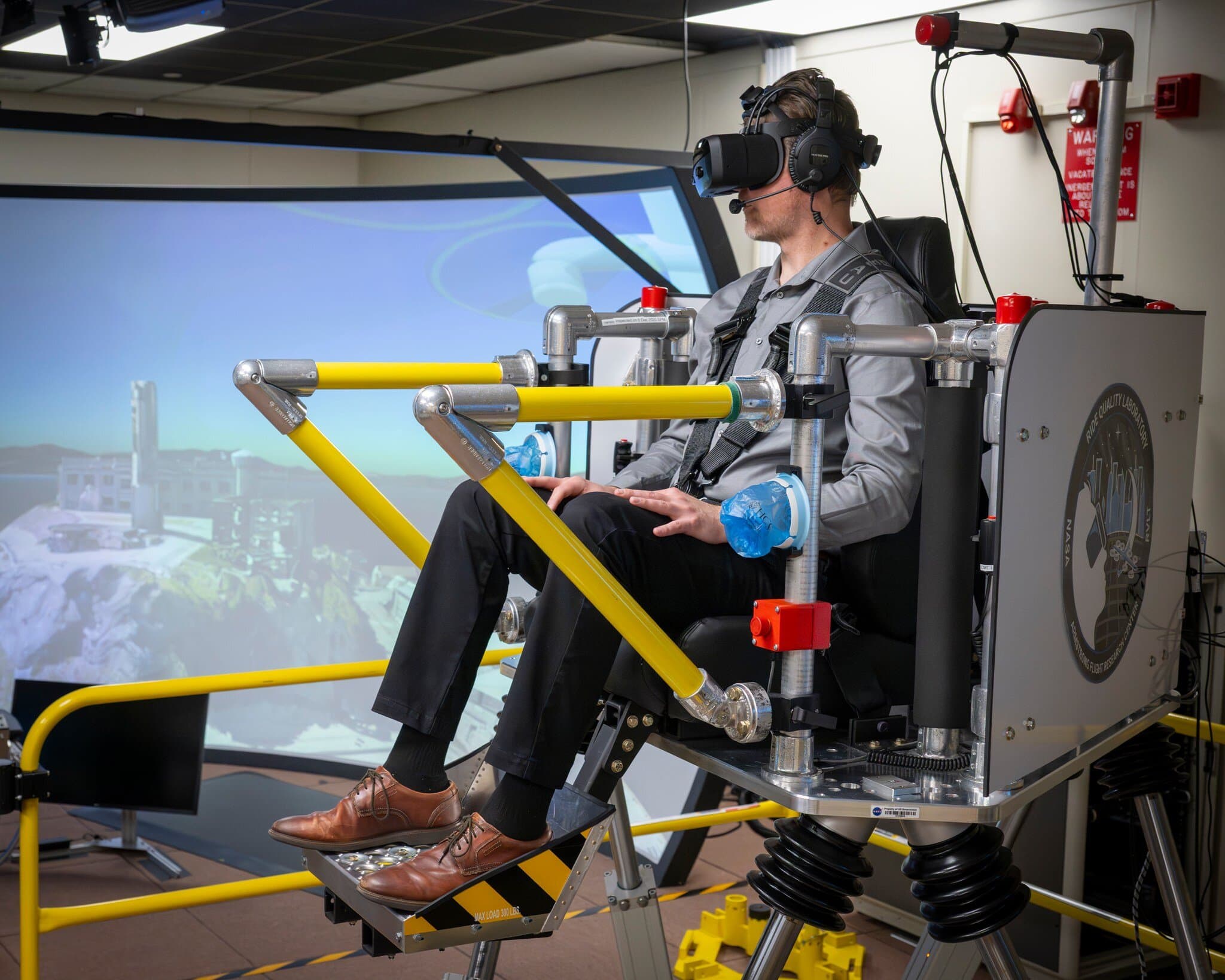
Image: TechXplore
NASA says a multiyear study of passenger comfort could help make future air taxi rides less jarring. The agency used a virtual-reality motion simulator at Armstrong Flight Research Center in Edwards, California, to test how people react to sudden aircraft movements such as pitching, rolling, rotating, and rapid acceleration into climbs or dives.
Volunteers—NASA employees—rode simulated flights from downtown San Francisco to Alcatraz Island and experienced four levels of motion intensity. Participants then rated each flight on a five-point scale, flagged which movements felt uncomfortable, and said whether they would take a real air taxi flight with that level of motion.
The results showed that even moderate changes in motion reduced comfort for some riders, while others tolerated higher levels. NASA said the data helped researchers build new models that connect sudden aircraft motion to a passenger’s willingness to fly again. Those models could help manufacturers and operators avoid maneuvers likely to feel too harsh, whether caused by aggressive flying, gusting winds, or landings.
Recommended reading
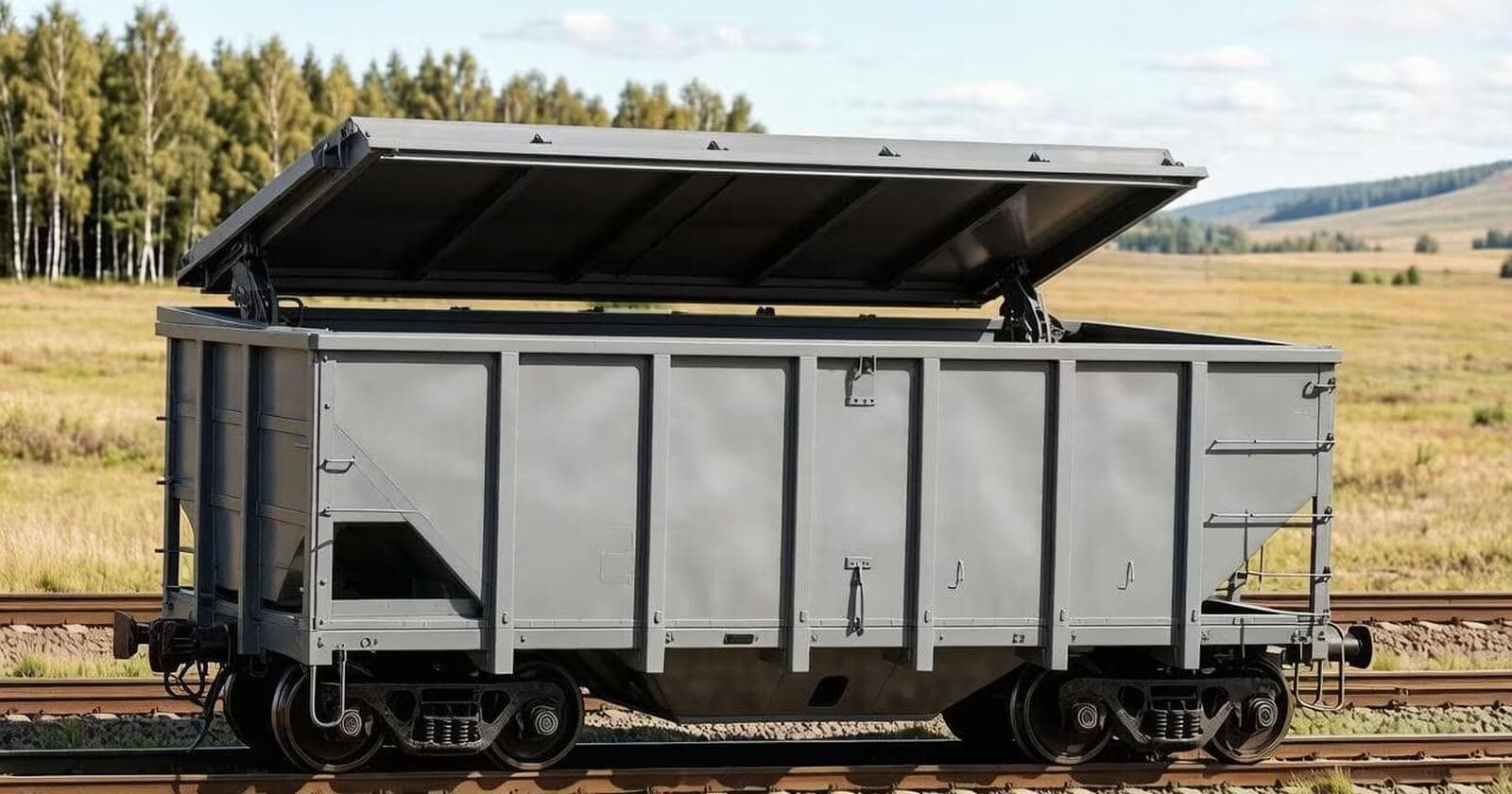
Altayvagon patents freight car with opening roof
“Through this study and others, we are starting to identify passenger comfort thresholds for aggressive flight motion.” “We can begin to make predictions about how air taxis should fly so that most passengers will find the experience enjoyable and want to ride again, which will benefit the public and the industry.”
NASA also said the responses suggest today’s travelers may be less tolerant of rough motion than airline passengers 50 years ago, based on comparisons with earlier agency ride-quality research. The work is being led under the Subsonic Vehicle Technologies and Tools project in NASA’s Research and Technology Mission Directorate as part of its broader advanced air mobility research.

Frontier Editor
Dan is our resident futurist, covering electric mobility, space exploration, and the smart home. He's interested in atoms just as much as bits. Whether it's a new battery chemistry, a reusable rocket, or a protocol that finally makes IoT devices talk to each other, Dan breaks down the engineering that pushes humanity forward.
via TechXplore