• 3 min read
The AI Doc promises to decode AI but gets lost between fear and optimism
Generative AI is shaking up everything from creativity to security, sparking debates worldwide about its promise and peril. For international audiences, understanding these discussions-especially those emerging from Russ
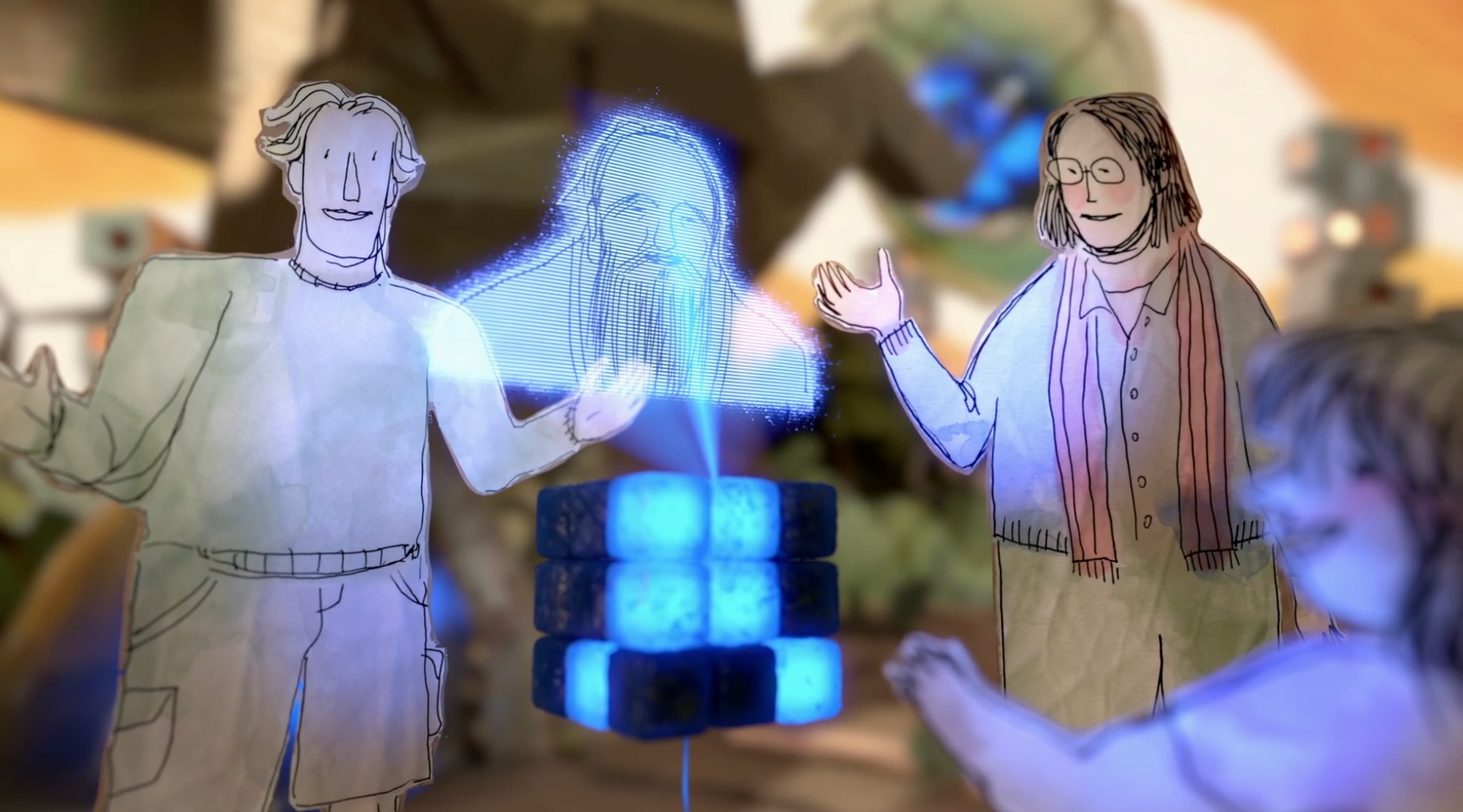
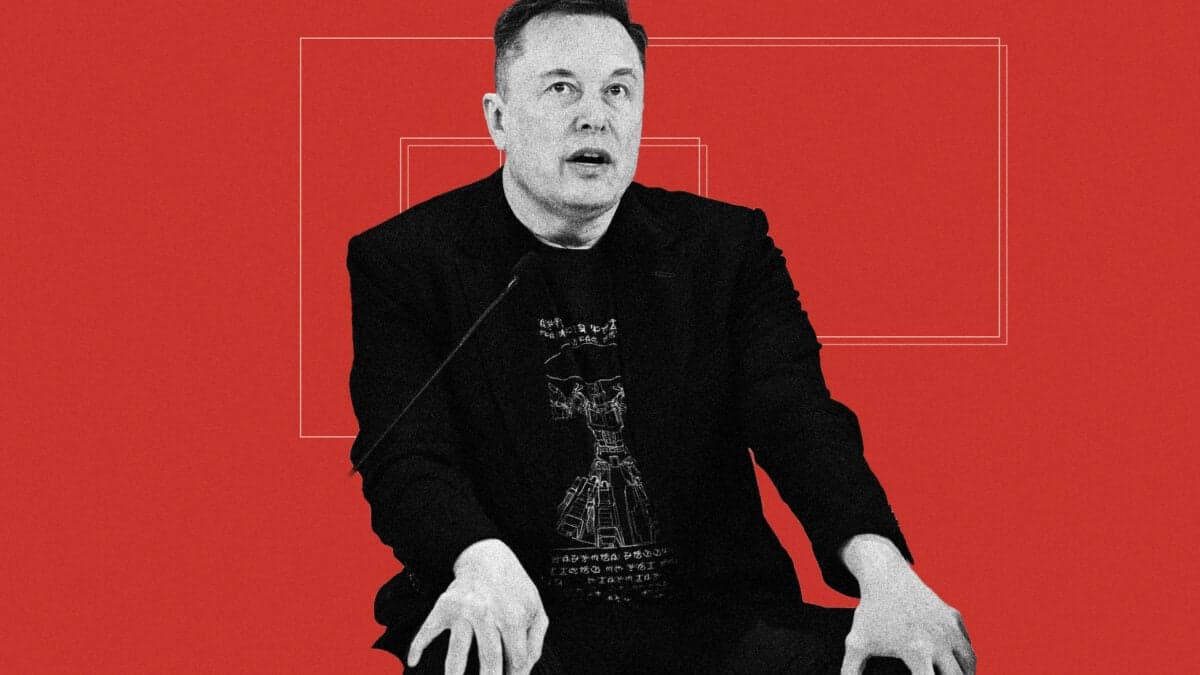
Image: The Verge
Generative AI is shaking up everything from creativity to security, sparking debates worldwide about its promise and peril. For international audiences, understanding these discussions-especially those emerging from Russia’s tech scene-adds crucial perspective on how AI’s global impact is perceived across different cultures and political landscapes. “The AI Doc: Or How I Became an Apocaloptimist,” a recent documentary, dives into these mixed emotions but ends up tangled between doom-laden fears and naive optimism rather than offering a sharp, insightful analysis. This struggle reflects a broader confusion that’s not just local but global in scope.
For Russian viewers, the film’s nuances resonate deeply: the tension between skepticism born from decades of tech boom-and-bust cycles and a persistent hope that AI could be the next breakthrough saving or reshaping society. Plus, with restrictive state narratives and censorship shaping media storytelling, documentaries like this often subtly mirror the anxieties and aspirations of tech insiders navigating uncertain waters.
At its core, “The AI Doc” centers on Daniel Rocher, a researcher wrestling with the dual nature of AI at a time when he’s preparing to become a parent. Directors secured interviews with leading AI company heads and researchers, aiming to unravel what the rapidly evolving technology may mean for humanity’s future. But instead of the thoughtful exploration one might expect, the film oscillates between scaring viewers with visions of robot uprisings and corporate doomsday narratives, and highlighting utopian promises of AI-driven advances like affordable personalized healthcare.
The documentary’s early segments lean heavily into the “dark side” of AI, featuring apocalyptic warnings reminiscent of sensational tech marketing tactics-companies often capitalize on fear to push their agendas. Rocher takes these claims earnestly, layering his personal anxiety about bringing a child into a world shadowed by these threats. When shifting to the “bright side,” the film showcases industry insiders championing AI’s potential to revolutionize health care and everyday life. While this contrast suggests balance, it ironically dedicates disproportionate screen time to alarmist voices while glossing over pressing topics like AI’s disruptive impact on the film industry, which Rocher himself is part of.
The documentary barely scratches the surface on more complex issues like the massive data sets and low-cost labor underpinning AI development. A segment explaining large language models briefly covers their function as intricate pattern recognizers, but the rapid-fire treatment leaves little room for real nuance or depth.
Recommended reading
xAI Sues Grok User Over Child Abuse Images
Meetings with OpenAI’s Sam Altman and Anthropic’s Dario Amodei are framed against recent controversies around military collaborations and privacy concerns. However, the director’s questions feel simplistic in the face of such thorny topics, leaving “The AI Doc” trapped in the hype cycle without delivering clear answers or critical insights.
Ultimately, the documentary epitomizes the current media confusion surrounding generative AI: a tug-of-war between apocalyptic fears and carefree optimism reminiscent of promotional campaigns. What the global discussion truly needs is sober, grounded dialogue that clearly distinguishes where AI genuinely enhances human life-and where it risks becoming a tool for control and manipulation.

AI Editor
Ava covers the rapidly evolving world of artificial intelligence, from foundational models and research labs to the real-world economics of intelligence. With a background in computational linguistics, she cuts through the hype to find out what actually works. She firmly believes that benchmarks are just marketing until reproduced in the wild.
via The Verge