• 2 min read
TUM builds searchable 3D crime scenes for investigators
TUM and the Bavarian State Criminal Police Office are developing 3D crime scene twins that investigators can query for objects and sight lines.
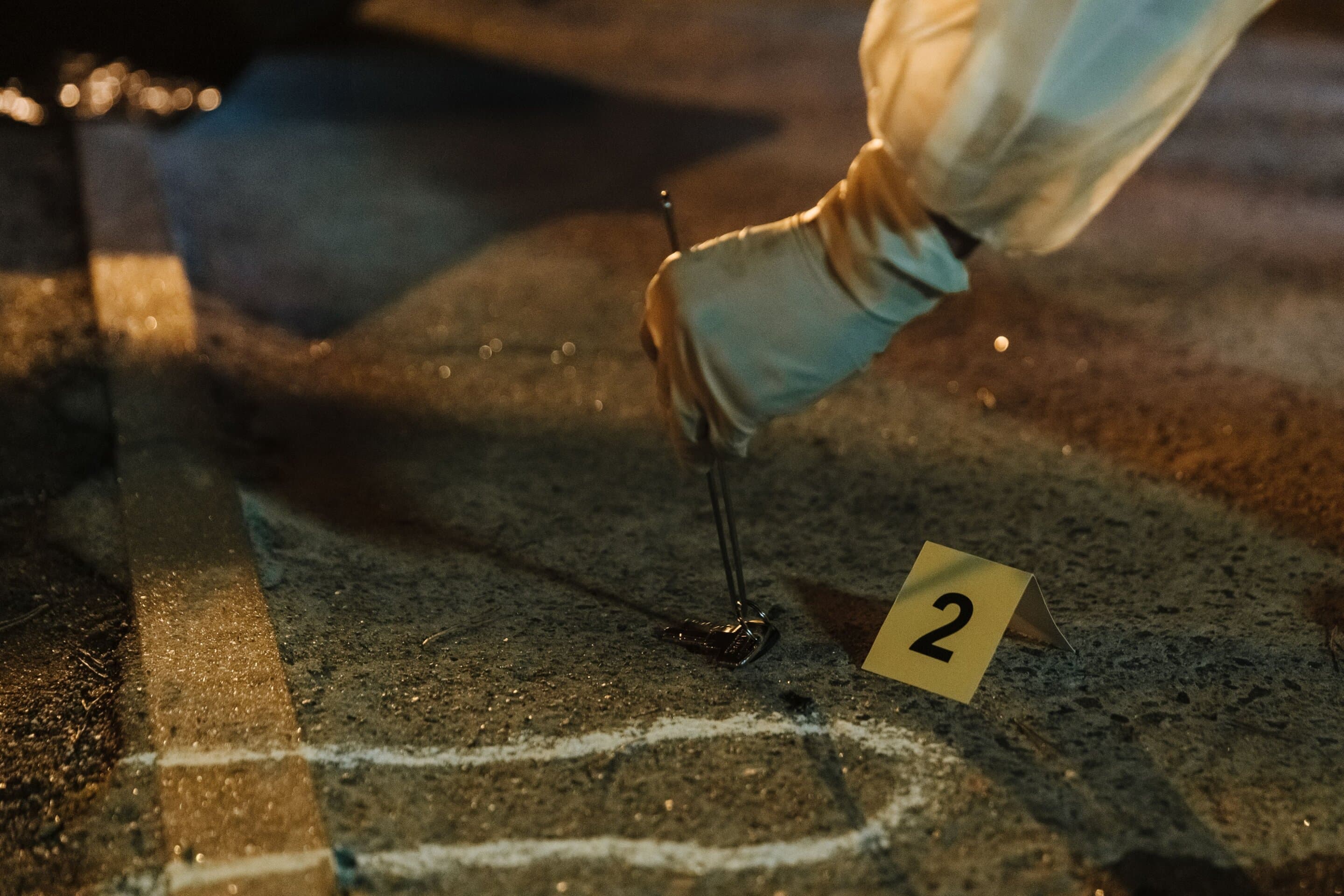
Image: TechXplore
A crime scene may only be available for a short time, but the evidence gathered there has to stand up over a much longer investigation. Researchers at the Technical University of Munich (TUM) and the Bavarian State Criminal Police Office (BLKA) are working on a system that turns existing 3D crime scene models into something investigators can actively question.
The BLKA already uses digital reconstructions built from hundreds or even thousands of photographs. The new joint project adds AI-based object identification, classification, and cataloging, so investigators could ask the virtual scene questions such as “I am looking for a red jacket,” “How many knives are in the room?” or “Show me all sharp objects.” Relevant items would then be highlighted directly in the model.
Michael Greza, project lead and academic staff member at the Professorship for Photogrammetry and Remote Sensing at TUM, said the longer-term aim is to combine many forms of evidence in a shared virtual environment so investigators can better understand links between objects, locations, and possible sequences of events.
The team has also built a method to speed up 3D scene creation by automatically filtering out photos that add no new information, reducing processing work on large image sets. Researchers are now developing tools to analyze spatial relationships between objects, including line-of-sight calculations that could show whether people could see one another from specific positions or which parts of a room were visible.

Recommended reading
AI won’t replace penetration testers just yet
How the system will be used
The project is being developed jointly by researchers and criminal investigators, with TUM focused on core AI and data-analysis methods and the BLKA adapting those methods for operational use. According to Benjamin Busam, professor of photogrammetry and remote sensing at TUM, the work could bring complex analysis directly into the virtual crime scene rather than requiring as much manual effort.
The methods developed so far will now be integrated gradually into workflows at the Bavarian and Hessian State Criminal Police Offices. Over time, the researchers say the technology could make digital crime scene twins easier to use in everyday policing, potentially letting patrol officers capture data at the scene with smartphones.

Security Editor
Sophia unpacks the invisible wars happening on our networks. Covering cybersecurity, privacy legislation, and cryptography, she exposes how our data is weaponized and defended. Before joining for(geeks), she spent years as a penetration tester. She's the reason the rest of the team uses physical security keys.
via TechXplore