• 2 min read
Workers Use AI Daily but Still Don’t Trust It Alone
A TeamViewer report says 75% of workers use AI every day, but 95% still worry about AI acting without human oversight.
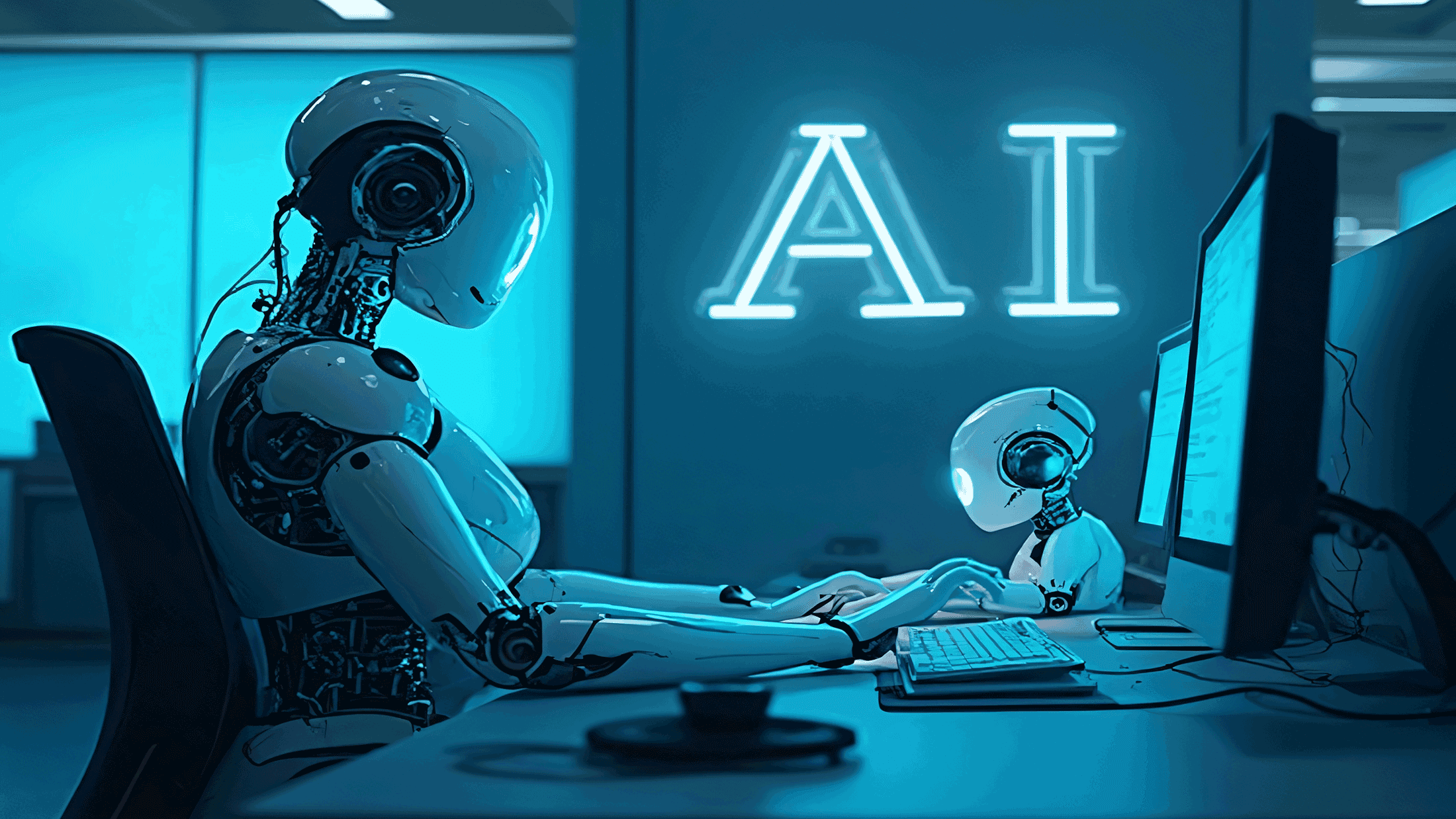
Image: TechRadar
Trust is emerging as a major brake on workplace AI adoption, according to new TeamViewer research. The report says three in four workers now use AI daily, and just 3% say they see no noticeable workplace benefits. Even so, 95% of respondents have at least some concern about AI operating without a human in the loop.
The findings point to a shift in concern as AI moves from generative tools to agentic systems. Workers appear less worried about whether AI can produce useful results than about whether it should be allowed to act on its own.
Three in five respondents (61%) said they would prefer AI to take no independent action. Only about 35% said they would be willing to let AI act autonomously on their behalf, and 71% of that group said they are only comfortable when the system is limited to clearly defined tasks.
That caution is also showing up in day-to-day workflows. More than half of workers — 56% — said they often or always verify AI outputs before relying on them, spending an average of more than two hours per week checking AI-generated work.

Recommended reading
Microsoft sets October 2026 cutoff for Office, Server, Entra
“The real opportunity is to use AI and automation to prevent disruption, improve digital experiences, and free people to focus on higher-value work.”
TeamViewer says the biggest changes that could make autonomous AI more acceptable are:
- strong security and privacy protections
- notifications before significant changes are made
- restrictions on what information AI can access
- agent activity monitoring tools
- the option to reverse any actions
“The next step is designing systems that know when to act, when to wait, and when to bring people into the decision.”
Enterprise Editor
Marcus follows the money. He covers enterprise software, cloud architecture, and the tectonic shifts in Big Tech strategy. He translates dense earnings calls and complex M&A activity into actionable insights about where the industry is actually heading. If a tech giant makes a silent pivot, Marcus is usually the first to notice.
via TechRadar