• 2 min read
xAI Sues Grok User Over CSAM Output
xAI has sued a user it says bypassed Grok’s safeguards to generate child sexual abuse material, while facing separate cases over its own liability.
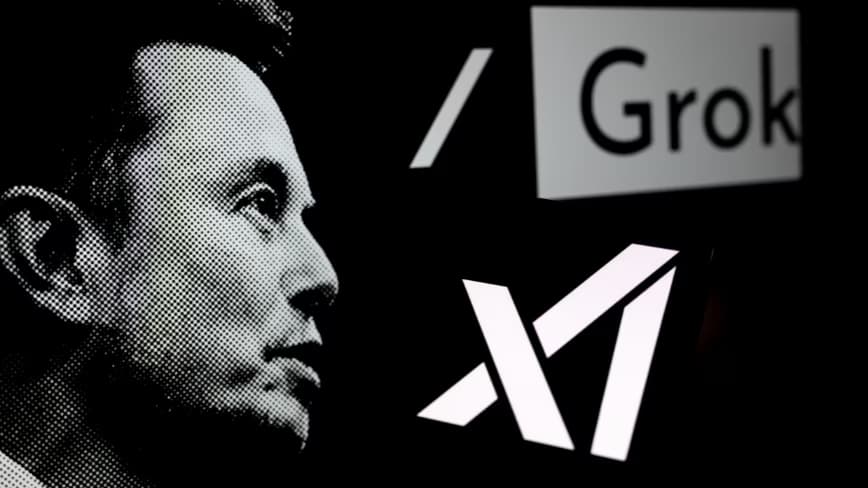
Image: TNW
xAI has filed what is understood to be the first lawsuit by an AI company against a user over material generated by its own system. In a 12-page complaint filed in federal court in Texas on Tuesday, the company accuses Terry Harwood, a South Carolina man arrested earlier this year on charges of sexually exploiting minors, of using Grok to generate child sexual abuse material in violation of xAI’s terms of service.
xAI is seeking unspecified monetary damages and a court order permanently banning Harwood from the platform. According to the complaint, Harwood opened multiple xAI accounts using false identities and crafted prompts designed to bypass Grok’s safeguards, using the tool to turn non-sexual photos into sexually explicit images without the subjects' knowledge or consent.
The company says Grok initially refused those prompts because they violated its moderation rules. It alleges Harwood kept rewording his requests to get around those protections. That distinction is central to xAI’s legal argument: the company is not claiming Grok is incapable of generating the material, but that its safeguards worked and were deliberately defeated by a determined user.

Recommended reading
Xiaomi unveils Robotics-1 after 100,000 hours of training
The filing also discloses enforcement figures for the first time. xAI says it has suspended more than 52,000 accounts and filed more than 73,000 reports to the National Center for Missing & Exploited Children, leading to close to 250 arrests during 2026 alone.
Other courts are testing the opposite argument
The timing is awkward for xAI. The company is already defending itself in multiple cases that argue xAI, not its users, should be held responsible for what Grok produces. Those include a London High Court claim brought by Labour MP Jess Asato, a consumer protection case in Baltimore, and an investigation by Paris prosecutors that Elon Musk has declined to cooperate with.
Grok has also been banned in Malaysia and Indonesia over sexually explicit output, and Apple privately threatened to remove it from the App Store in January.
Musk wrote on X in January:
“I am not aware of any naked underage images generated by Grok. Literally zero,”
This week’s complaint paints a different picture, describing a moderation system that logs, blocks, and escalates attempts at scale. The Center for Countering Digital Hate estimated that Grok generated roughly three million sexualised images between late December and early January, including about 23,000 that appeared to depict children.
That leaves the broader question unresolved: whether a public, general-purpose image model that can be pushed into producing such content through repeated prompt changes should be available at all. The EU has since agreed a ban on non-consensual intimate deepfakes. Harwood, who faces separate criminal charges in South Carolina, has not publicly responded to the civil complaint.

AI Editor
Ava covers the rapidly evolving world of artificial intelligence, from foundational models and research labs to the real-world economics of intelligence. With a background in computational linguistics, she cuts through the hype to find out what actually works. She firmly believes that benchmarks are just marketing until reproduced in the wild.
via TNW