• 3 min read
ZeroAvia and Safran team up on hydrogen plane engines
ZeroAvia and Safran will develop hydrogen-electric propulsion for passenger aircraft, betting on high-temperature fuel cells to boost power and cut cooling weight.
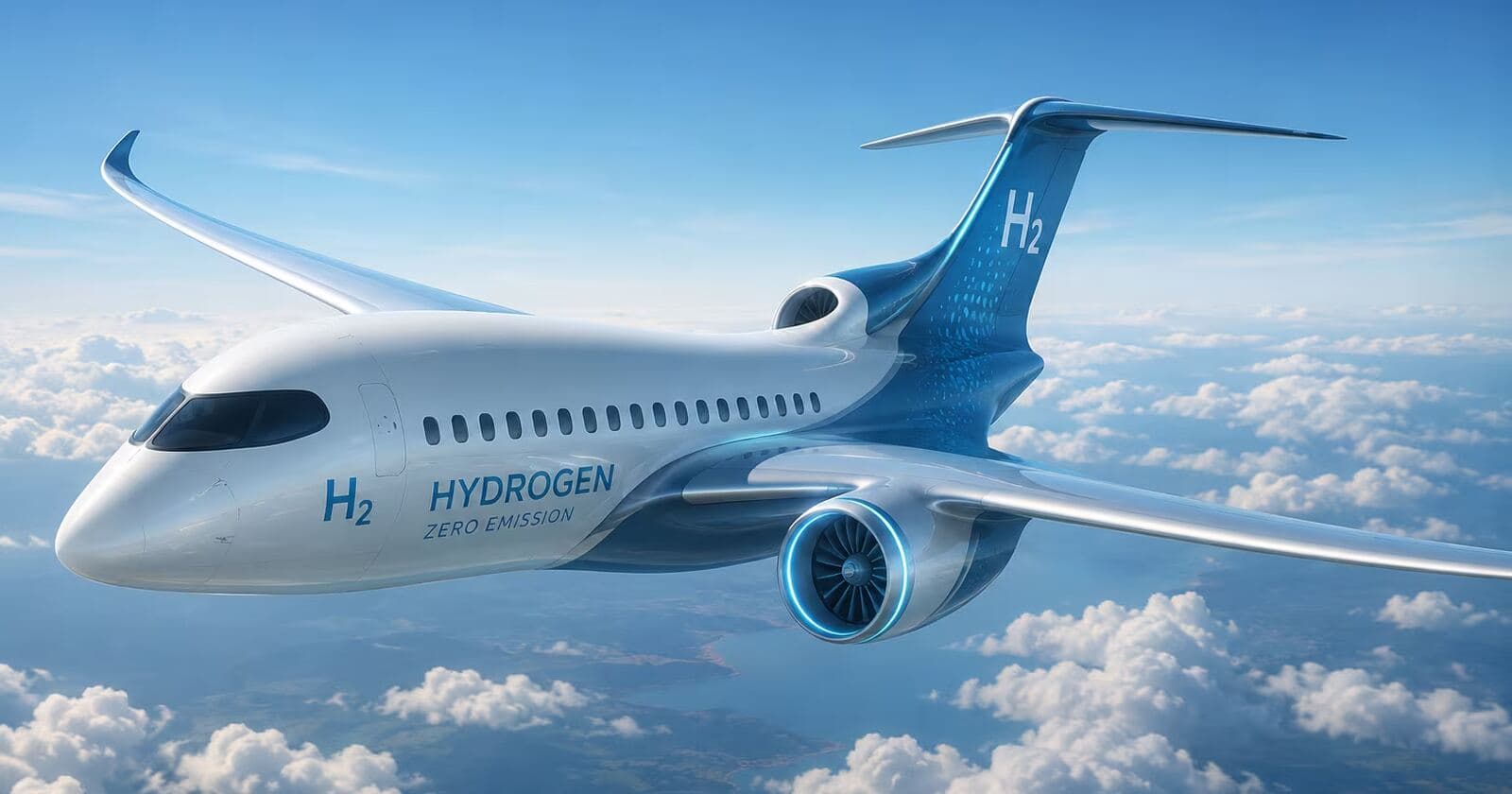
Image: ITzine
ZeroAvia and Safran have agreed to jointly develop hydrogen-electric propulsion systems for future passenger aircraft, focusing on high-temperature fuel cells as a way to deliver more power with less cooling overhead than the low-temperature systems common in electric vehicles.
The concept is straightforward: liquid hydrogen feeds the fuel cells, which generate electricity for the motors. The only byproduct in flight is water, meaning the system produces no onboard carbon emissions. That helps explain the aviation industry’s interest, even if commercial service is still a long way off.
For ZeroAvia, the deal is also a market signal. The company has faced a difficult stretch in recent months, cutting staff and freezing some internal programs. It has not, however, abandoned the ZA600, a 600 kW powertrain aimed at regional aircraft carrying 9 to 19 passengers.
Recommended reading
Einride spends $38M to add charging software
Safran brings established aerospace manufacturing and certification experience. The group has already certified its ENGINeUS electric propulsion system and now wants to combine that industrial base with ZeroAvia’s hydrogen fuel-cell expertise. In aviation, certification can take years, so pairing a major supplier with a specialist developer looks like a practical route to market.
Why high-temperature fuel cells matter
Low-temperature fuel cells have long been used in ground transport and small aircraft, but larger planes often need more. High-temperature systems can operate at higher power levels and require less bulky cooling. In aviation, where every kilogram affects range, payload, and flight economics, that trade-off matters.
The biggest obstacle for hydrogen aircraft remains mass. Hydrogen itself is light, but storing it onboard requires complex tanks, while airports would need dedicated ground infrastructure. Some electrical components can borrow from automotive development, but aviation-grade reliability and certification are a far tougher — and more expensive — challenge.
What it says about hydrogen aviation now
Interest in hydrogen is growing for a reason. Airbus has been advancing its ZeroE program for several years, but recently acknowledged that progress has been slower than originally planned. Against that backdrop, partnerships like ZeroAvia-Safran look like an attempt to connect existing pieces — fuel cells, propulsion systems, and serial production — instead of building everything from scratch.
The partnership does not mean kerosene-free passenger airliners are about to enter service. Three hurdles still stand out:
- proving system safety
- building airport storage and refueling networks for liquid hydrogen
- completing certification, which in aviation typically moves far more slowly than in automotive or energy
Even so, airlines and lessors in Europe are pushing manufacturers to cut emissions, while regulators in the EU and US are increasing pressure through climate standards. In the near term, hybrid and regional projects still look the most realistic. The first real test for the ZeroAvia-Safran alliance will not be presentations, but whether the ZA600 and related systems make it into certification testing.

Frontier Editor
Dan is our resident futurist, covering electric mobility, space exploration, and the smart home. He's interested in atoms just as much as bits. Whether it's a new battery chemistry, a reusable rocket, or a protocol that finally makes IoT devices talk to each other, Dan breaks down the engineering that pushes humanity forward.
via ITzine