• 3 min read
How 100 Pounds Came Off Before an 80-Mile Hike
ZDNET’s Adrian Kingsley-Hughes says an Apple Watch, smart scale, and a handful of apps helped him lose more than 100 pounds in 7 months.
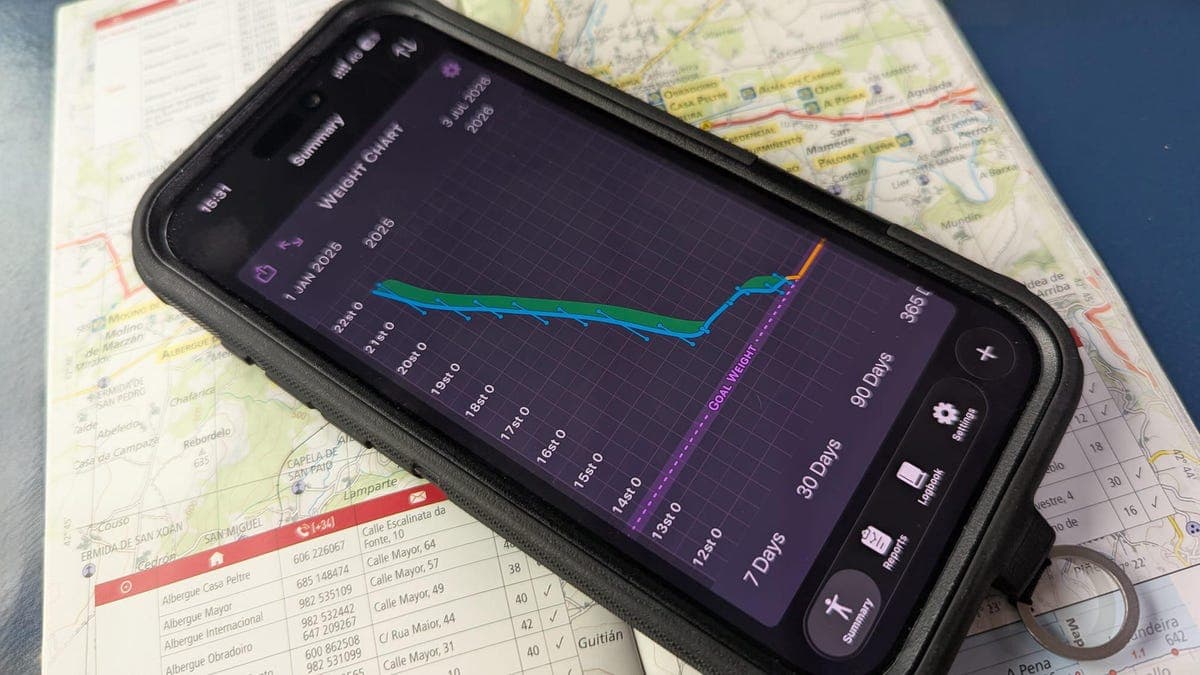
Image: ZDNET
ZDNET’s Adrian Kingsley-Hughes says he lost more than 100 pounds in seven months ahead of an 80-mile walk on Spain’s Camino Francés, using a mix of medication, wearables, scales, and tracking apps to stay on course. He began the effort on April 1 last year, aiming to be ready by November for the route from Sarria to Santiago de Compostela.
He says the main medical intervention was Mounjaro, which he describes as highly effective despite side effects including indigestion, nausea, gastric upsets, lethargy, and allodynia. Kingsley-Hughes says that translated to roughly 14 pounds per month, though he leaves the medication discussion to readers and their doctors.
For day-to-day tracking, he credits the Apple Watch Ultra and iPhone 17 Pro as the core of the setup. The watch logged workouts and health metrics including VO2 Max, heart rate variability, and resting heart rate, while its battery life made it practical for long hikes.
Recommended reading
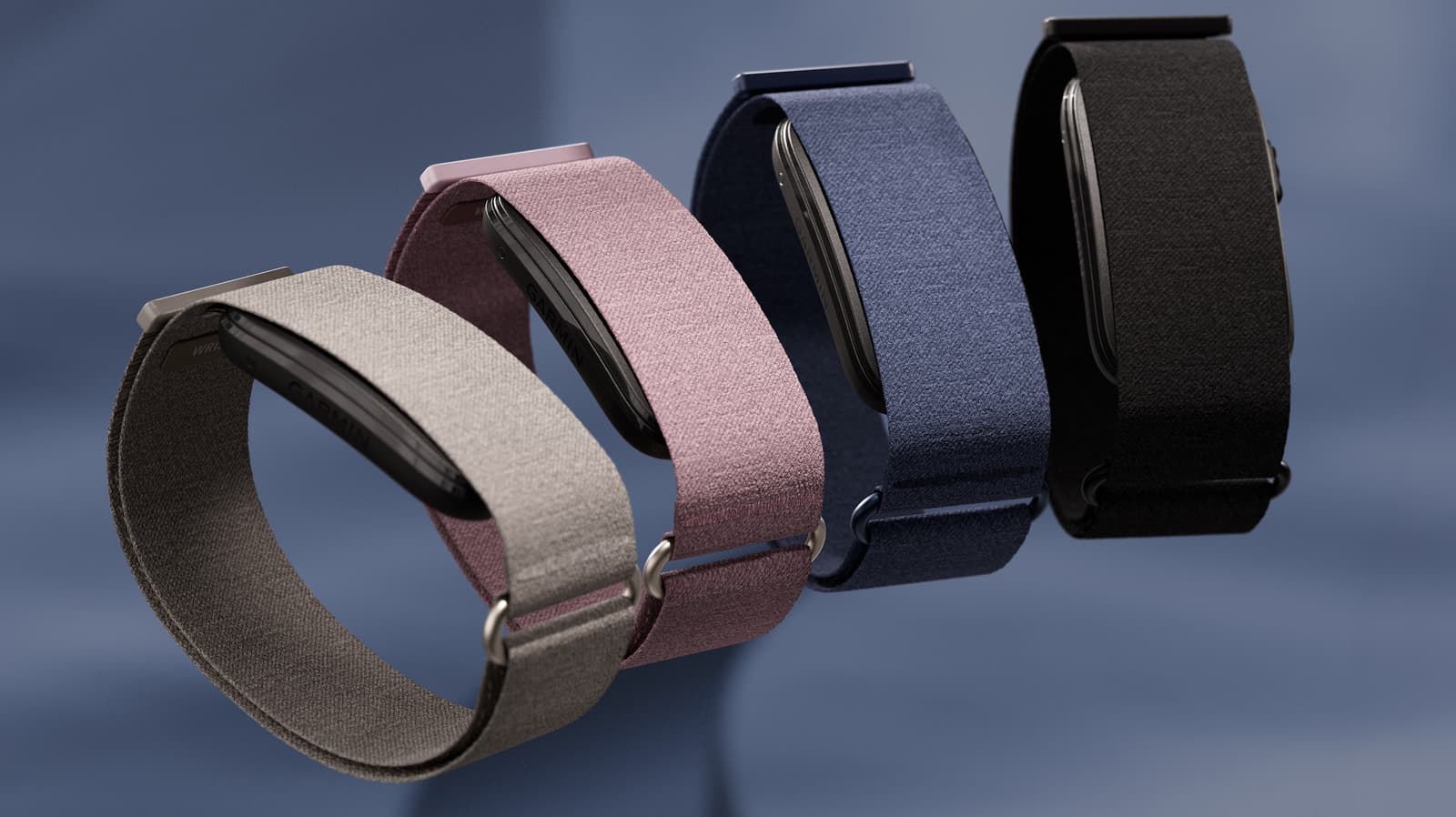
Garmin’s $200 Cirqa Takes on Whoop Without a Subscription
He also relied on the $110 Withings Body Smart scale, largely because it tracks more than body weight. The device records fat percentage, body composition, muscle mass, water percentage, and visceral fat, which mattered because muscle loss can make up up to 39% of weight lost for some people using GLP-1 drugs, he notes.
Kingsley-Hughes says he weighed himself daily when at home, both to remove anxiety around the number and to smooth out normal day-to-day fluctuations. He adds that he maintained protein intake, lifted weights, and used kettlebells, and says he saw no drop in lean body mass.
On the software side, he found Happy Scale especially useful for trend-based weight tracking and forecasting, calling its predictions realistic and motivating. For calorie logging, he preferred MyFitnessPal, despite what he says are duplicate entries, inaccurate data, and heavy ads in the free version. He also points to StressWatch for HRV monitoring on Apple Watch and Glapp as a newer GLP-1 dose tracker for iOS and Android.
Not every metric helped. He says real-time HRV monitoring and sleep tracking didn’t prove especially valuable for him personally, even though other users may get more from them.
The training itself went beyond weight loss. Kingsley-Hughes says he walked at least 100 miles a month and trained with a Goruck weighted rucksack and plates, eventually building up to carrying 45 pounds for 10 miles. His expected Camino pack weight was about 25 pounds.
The payoff, he says, was clear: the hike was easier, more enjoyable, and manageable even with long days and rain. Six months after the active weight-loss phase ended, he says the weight has stayed off, helped by diet changes, daily weigh-ins at home, and continued training. He has logged more than 650 miles so far this year and now plans to walk the full 500-mile Camino Francés from St Jean Pied de Port in 2027.

Gadgets Editor
Eli is obsessed with the tangible future. He reviews phones, wearables, and everything with a battery. Known for his rigorous testing protocols and unabashed teardowns, Eli has broken more review units than he cares to admit, all in the name of discovering the truth about durability and repairability.
via ZDNET