• 4 min read
AI courts young women with Kylie, creators, and podcasts
Meta, Phia, and Swan Beauty are recasting AI as fashion, shopping, and lifestyle tech for women — even as privacy and trust concerns grow.
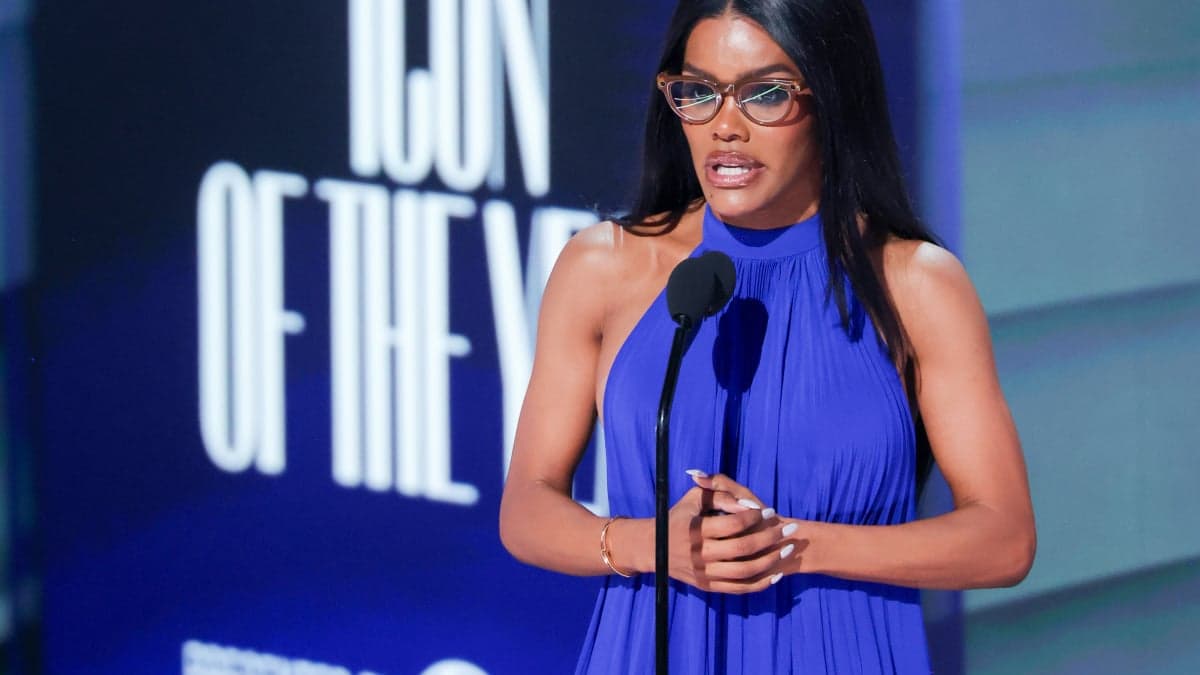
Image: Mashable
Meta’s latest push for its AI glasses looks less like a gadget launch and more like a fashion campaign. In June 2026, the company rolled out a “Kylie Edition” of its Meta and Ray-Ban glasses with Kylie Jenner front and center, alongside 26 combinations of frames, colors, and lenses, a dedicated Instagram account, billboards in New York and Los Angeles, and a launch event attended by Law Roach, Nara Smith, and Peggy Gou.
The strategy is straightforward: sell AI not as a complicated new technology, but as an aspirational accessory. That approach is spreading across the industry, with AI products increasingly woven into beauty routines, shopping apps, and podcasts aimed at female consumers.
There is a clear business reason for it. A 2026 Pew Research Center survey found 27 percent of men said they used chatbots daily, compared with 20 percent of women. A separate survey from Lean In, the nonprofit founded by former Meta executive Sheryl Sandberg, found 33 percent of men said they used AI daily or constantly at work, versus 27 percent of women.
For companies, that gap represents an opening. According to Glossy, citing Dash Social, Meta Glasses generated 275 million social media impressions, 9 million engagements, and 97,000 mentions in the week around the Kylie launch. Jenner’s 3 Instagram posts promoting the collection drew a combined 5.5 million likes, and the new @metaglasses account neared 100,000 followers within 11 days. Other celebrities promoting the glasses have included Alexandra Saint Mleux, Jennie, Doja Cat, and Teyana Taylor.
Recommended reading
AI fortunes are swelling and Neil Rimer sees a reckoning
Influencers are also becoming a key distribution channel. Swan Beauty, which sells a $795 smart mirror that analyzes skin, recommends products, guides makeup application, and records content, broke out after sponsoring creator Brigette Pheloung’s April 2026 St. Barth’s bachelorette trip, “Acquired A Husband.” The company said the campaign drove a 140,000 percent jump in TikTok profile views, a 650 percent week-over-week increase in mirror sales, a 4,535 percent increase in iOS app downloads, and a 4,900 percent increase in subscriptions.
Phia’s founder-first pitch
Shopping startup Phia, launched in April 2025 by Phoebe Gates and Sophia Kianni, has taken a different route. Its browser extension and app compare prices, surface secondhand alternatives, and estimate resale value. The company says it has reached 1.5 million users and partnered with 9,600 brands.
But Phia’s public identity stretches well beyond the product. Gates and Kianni also host The Burnouts, a weekly podcast about building a company in their 20s while navigating friendship, dating, money, and burnout. Guests have included Paris Hilton, Kris Jenner, Chelsea Handler, and Karlie Kloss. In 2026, the startup raised a $35.5 million Series A, bringing total funding to $43.5 million. Investors include Khloé Kardashian, Mindy Kaling, Sydney Sweeney, Paris Hilton, Alix Earle, Jessica Alba, Priyanka Chopra Jonas, and Rachel Zoe.
Celebrities have also pushed the broader message that women should start using AI now. Reese Witherspoon, Mel Robbins, Sandra Bullock, Demi Moore, Paris Hilton, and Sophia Moruso have all, in different ways, framed AI as either useful, inevitable, or both. Sandberg put the stakes plainly in April.
“These differences — which are not that small, but are smallish now — will compound over time, which is why we think it’s so important for people to understand them and acknowledge them.”
Privacy concerns haven’t gone away
The glossy marketing has not erased deeper concerns. The source notes that women still tend to approach AI more cautiously, citing a 2026 study that found women were roughly twice as likely to expect AI to harm them personally as to expect benefits.
Those fears are not abstract. Meta glasses can record photos and video from the wearer’s point of view, and some male creators have used them to secretly film women in public. Meta has also faced reports that users were hiding the small white recording light. In July, the company announced an update that turns off the camera if that light has been damaged or tampered with.
Phia is also under scrutiny. A July 9 Bloomberg investigation found the extension could insert Phia’s affiliate tracking information into purchases the company had not helped generate. Even as AI brands package their products as stylish, useful, and culturally fluent, the hardest sell may still be trust.

Enterprise Editor
Marcus follows the money. He covers enterprise software, cloud architecture, and the tectonic shifts in Big Tech strategy. He translates dense earnings calls and complex M&A activity into actionable insights about where the industry is actually heading. If a tech giant makes a silent pivot, Marcus is usually the first to notice.
via Mashable