• 4 min read
AI fortunes are swelling and Neil Rimer sees a reckoning
Index Ventures co-founder Neil Rimer says AI wealth will be redistributed, voluntarily or not, as philanthropy fades and political pressure grows.

Image: Panathenea (opens in a new window)
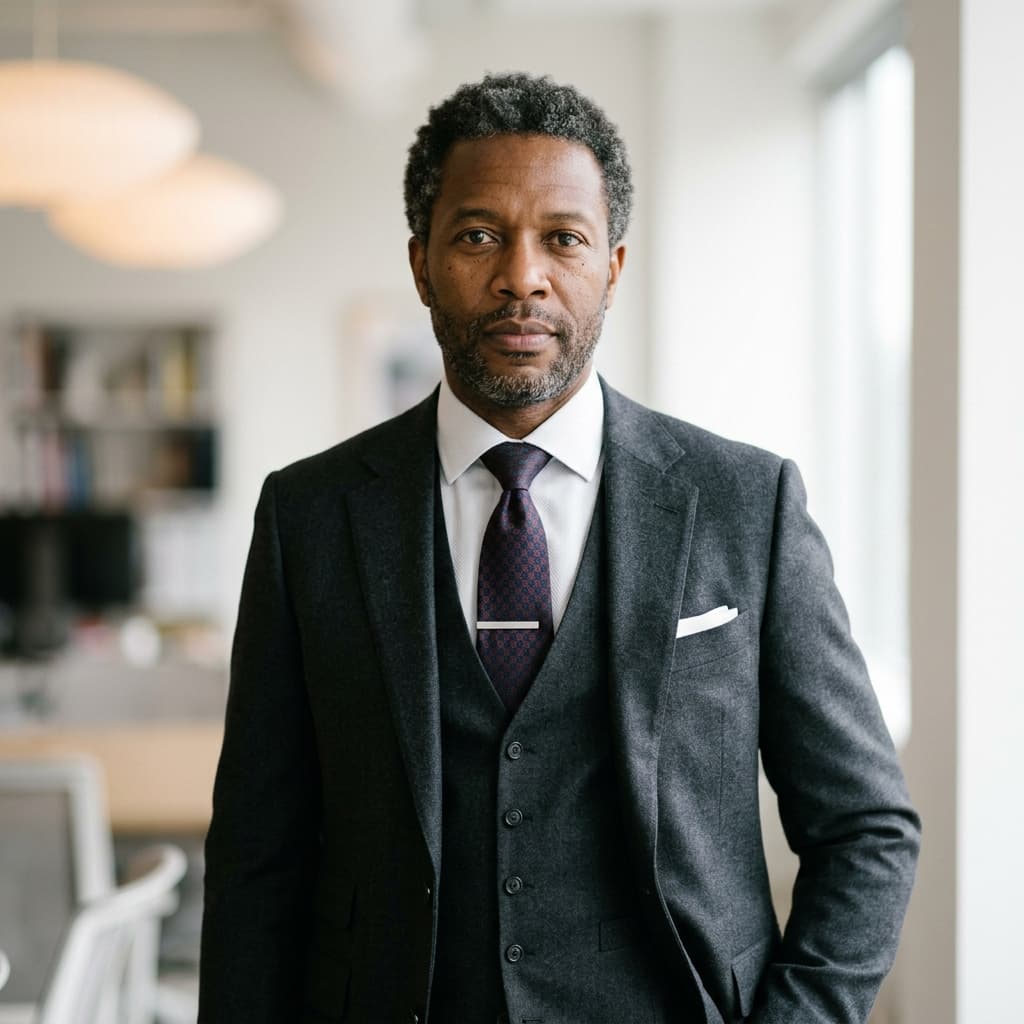
Neil Rimer, co-founder of Index Ventures, thinks the enormous wealth being created around AI will not stay concentrated forever. Speaking in Athens in late May, he said he has “a strong sense that there will be some sort of a redistribution.” As he put it, it will happen “either” voluntarily or involuntarily, and he hopes the voluntary route wins.
That is a notable warning coming from Rimer, whose firm has been one of venture capital’s biggest winners. Since its founding, Index has raised roughly $15 billion from outside investors, and its exits last year — including Figma’s IPO and Google’s purchase of Wiz — reportedly returned roughly $9 billion to the firm. Rimer stepped back from day-to-day investing in 2021 and now spends much of his time in Greece, but he remains active in philanthropy and public-interest work, including Endeavor Greece and Human Rights Watch, whose board he chaired from 2019 to 2025.
He has also given personally. In late 2021, Rimer, his father, and his two brothers donated $13 million to McGill University to renovate what is now the Rimer Building and establish a new Institute for Indigenous Research and Knowledges.
Philanthropy is fading as AI wealth surges
Rimer’s comments land at a moment when high-end giving appears to be weakening. The Giving Pledge, launched by Warren Buffett and Bill Gates in 2010, signed up 113 families in its first five years, then 72, then 43, and just four in all of 2024, according to a New York Times report published in March.

Recommended reading
AI courts young women with Kylie, creators, and podcasts
The broader pattern looks similar. Total American charitable giving reached a record $592.5 billion in 2024, but the number of Americans giving has fallen for five straight years, down 4.5% in 2024 alone, according to the Stanford Social Innovation Review. About two-thirds of households donated in 2000; now it is roughly half. Among affluent households, giving slipped from 90% in 2017 to 81% last year, based on data from Bank of America and the Lilly Family School.
That trend shows up in the AI sector too. Business Insider recently reported that while Anthropic matches employee donations of up to 25% of their equity, many newly wealthy clients of financial planner Alex Caswell were more focused on angel investing or launching companies than on philanthropy.
“That’s what I’m seeing more than the desire to become philanthropic.”
Wealth taxes, political pressure, and a familiar cycle
As voluntary giving slows, proposals to force redistribution are gaining attention. California voters will decide this year on a 5% one-time wealth tax aimed at the state’s billionaires. Some wealthy tech figures, including Sergey Brin and Larry Page, have already moved their primary residences to South Florida.
At the same time, OpenAI is reportedly considering an IPO in 2027, and has also discussed giving the federal government a 5% equity stake — an idea Sam Altman has framed as a way to share AI’s gains with the public. Critics, however, see it as a bid for political protection.
The sums at stake are enormous. Elon Musk is now worth just over $1 trillion after SpaceX’s IPO last month, making him the first person to cross that threshold. Forbes counted 45 new AI billionaires in its 2026 rankings, with a combined net worth of $2.9 trillion. And according to Business Insider, once Anthropic and OpenAI go public, employees at the two companies together could hold enough wealth to buy nearly a third of all homes in the San Francisco metro area.
The concentration is approaching historic extremes. The top 1% of U.S. households held 31.7% of wealth in the third quarter of last year, the highest share since the Federal Reserve began tracking it in 1989. Economist Gabriel Zucman has calculated that around 1910, America’s four largest fortunes equaled 4% of U.S. GDP; today, the equivalent ultra-rich slice — now 19 households — holds 14%.
That history is part of Rimer’s point. He would rather see tech’s winners give some of it back on their own than wait for politics to do it for them. As AI riches pile up and philanthropy loses ground, that choice may not stay voluntary for long.
Enterprise Editor
Marcus follows the money. He covers enterprise software, cloud architecture, and the tectonic shifts in Big Tech strategy. He translates dense earnings calls and complex M&A activity into actionable insights about where the industry is actually heading. If a tech giant makes a silent pivot, Marcus is usually the first to notice.
via TechCrunch