• 2 min read
AI Overuse Is Giving Daters the Ick
From first dates to marriages, heavy AI use is becoming a turnoff. Therapists say the fix is early, direct conversation—not denial.
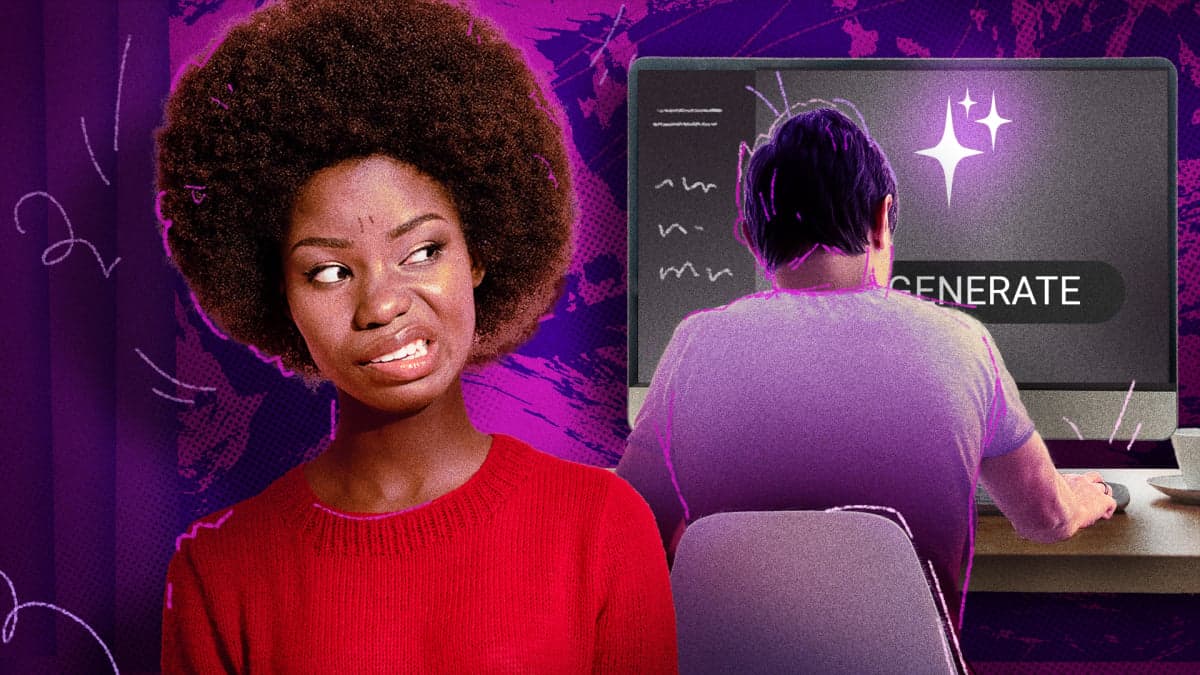
Image: Mashable
For some people, AI overuse is no longer just annoying — it’s making partners and dates less attractive.
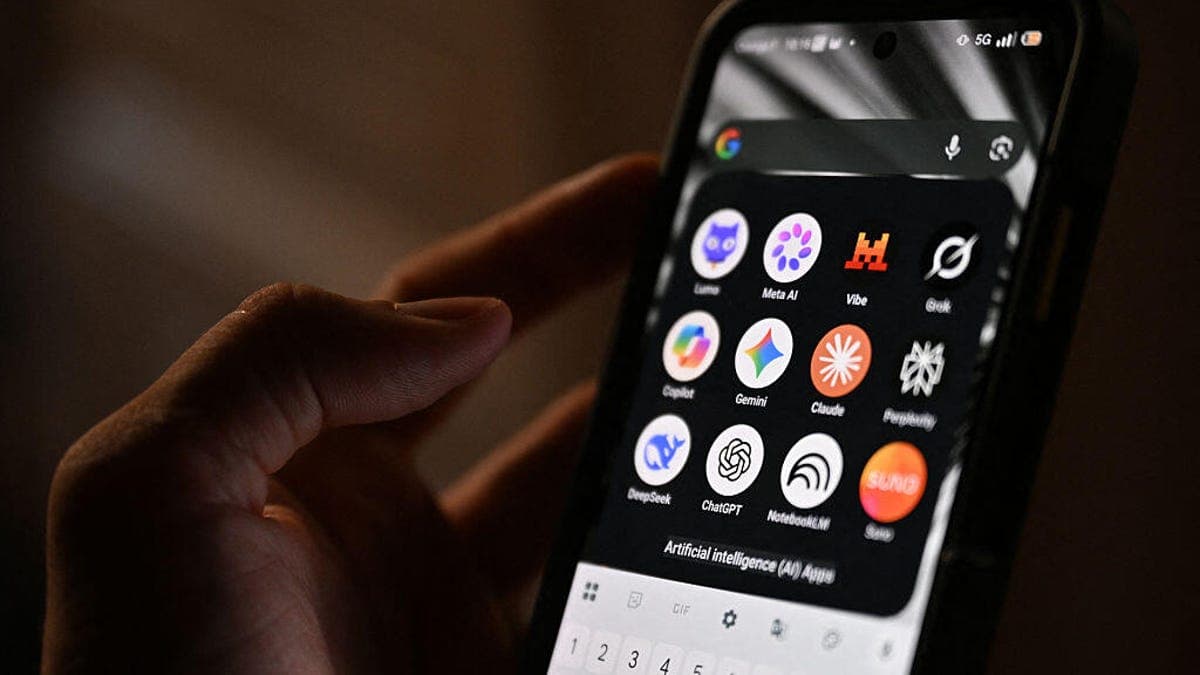
Beth, 27, told Mashable she lost interest in a man after four dates when she saw him post an AI-generated doll version of himself on Instagram. What started as irritation at a tired social media trend quickly turned into suspicion: had he also used ChatGPT or Claude to write captions, craft dating-app messages, or even plan their dates? She ghosted him.
That reaction fits broader survey data. According to Match Group, 51 percent of women aged 18 to 24 say they would refuse to date someone who uses an AI companion app. At the same time, Ofcom says more than half of UK adults — 54 percent — use AI tools, rising to 79 percent among people aged 16-24 and 74 percent for 25-34s.
Recommended reading
YouTube Tightens Rules on AI Slop Monetization
The tension is showing up in established relationships too. Mashable cites Wired journalist Alessandra Ram, who coined the phrase “the sad wives of AI” for women frustrated by a partner’s dependence on the technology. Amy, 34, said her husband uses AI to help make decisions on everything from buying a used car to writing emails and choosing shoes. Her concern is less the tool itself than what it may be replacing.
“I worry how it’s impacting his critical thinking.”
Another interviewee, Nara, said her boyfriend uses AI “almost daily,” including to support his side of arguments. She told Mashable she finds it frustrating when he treats AI as a primary research source instead of reading more deeply.
How therapists say couples should handle AI use
Couples' therapist Joanna Harrison, author of Five Arguments All Couples (Need To) Have, said AI can become “ammunition” in disputes, making one partner defensive and less open to the other’s perspective. In her view, the bigger issue is intimacy: relationships depend on feeling understood, and that can weaken when AI starts substituting for thought, effort, or curiosity.
Couples' therapist Jane James, who has worked in the field for 18 years, told Mashable that avoiding the subject makes things worse.
“Ignoring it is the worst thing to do.”
Instead, therapists recommend talking about AI early and setting boundaries together. That could mean not using it during quality time, or using it jointly for planning and research rather than privately as a stand-in for communication or judgment.
Mashable ends with a blunt warning from Carolina, 45, who said her ex’s excessive AI use “may have cost the relationship.” Her description of how it made him seem: “narcissistic, wanky, embarrassing, so fake, and so desperate.”

Culture Editor
Maya explores gaming, streaming, and the internet as a place where people actually live. From deep-dives into creator economies to the anthropology of digital communities, she tracks platform drama and cultural shifts so you don't have to. She believes the best tech stories are fundamentally about human behavior.
via Mashable