• 2 min read
Top AI rivals unite behind frontier model regulation
Google DeepMind, OpenAI, and Anthropic now broadly agree on regulating the most powerful AI models, with testing and US-led oversight.
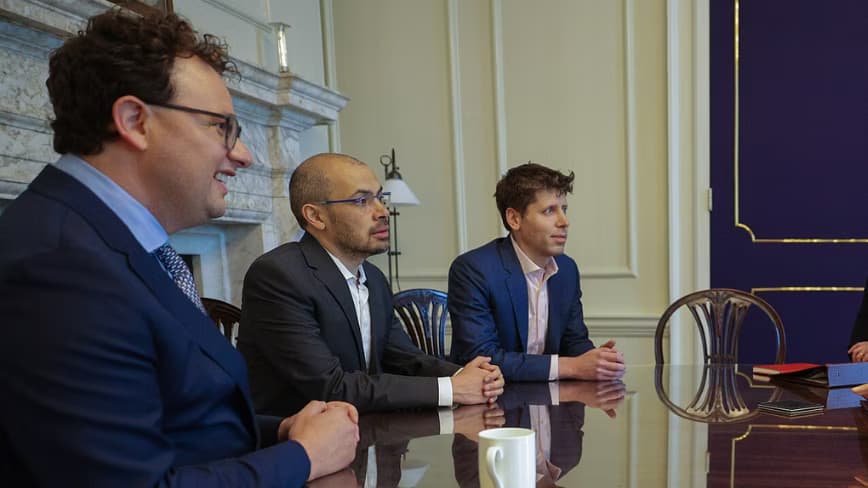
Image: TNW
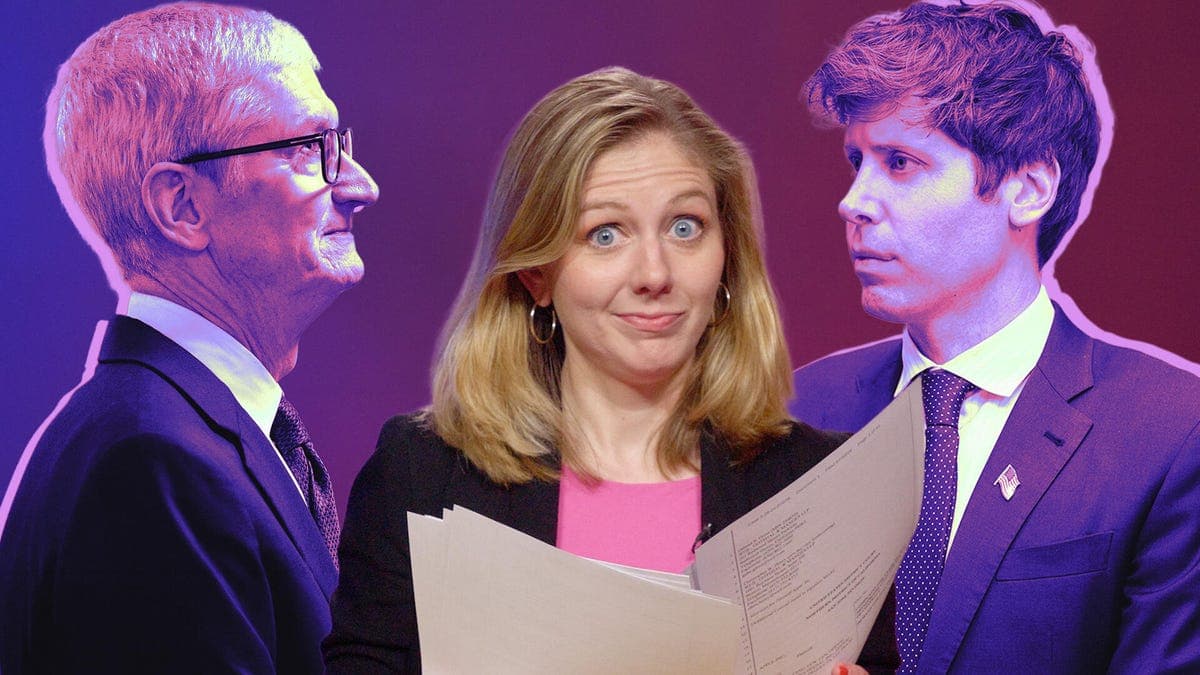
The leaders of Google DeepMind, OpenAI, and Anthropic rarely line up this closely. But over the past five weeks, each has published a memo calling for regulation of frontier AI — and their proposals overlap far more than they differ, according to Axios.
All three support independent testing of the most capable models before release, a notable break from the industry’s long reliance on self-reporting. They also back a single body to set standards, certify compliance, and restrict access to models deemed too dangerous. On jurisdiction, they agree the US should take the lead rather than leaving oversight to a patchwork of state-level or competing national rules.
Their shared concern is not AI in general, but a narrow class of the most powerful systems. Each points to near-term national security risks, including cyberattacks and bioweapons, while stopping short of calling for a broad industry crackdown.
Where they differ is in how much power regulators should have. Dario Amodei wants something like an FAA for AI — a federal agency with authority to block a model release outright. Demis Hassabis has proposed a FINRA-style organization, funded by industry but overseen by government, starting with voluntary reviews. Sam Altman, writing in the Financial Times, has argued for an IAEA-style international forum that could use access to models and markets as leverage.
Hassabis’s plan, published Tuesday, drew unusually warm reactions across a fiercely competitive field. Altman called it “thoughtful.” Microsoft CEO Satya Nadella said the aim was “a frontier ecosystem that promotes innovation and choice.” Elon Musk called it “a good starting point,” and Anthropic’s Jack Clark described the framework as “excellent.”
Recommended reading
Mick Jagger backs AI music — just not Stones clones
The debate comes as Washington has already moved twice in the same five-week period to restrict or delay frontier models — first Anthropic’s Fable and Mythos, then OpenAI’s GPT-5.6 — over cyber concerns. According to the report, the Trump administration remains publicly anti-regulation but is privately less confident that a hands-off approach will hold. Meta CEO Mark Zuckerberg is also said to be drafting a memo.
Not everyone sees the push as reassuring. OpenAI, Google, and Anthropic already have the legal, security, and policy teams to navigate a demanding certification regime. Smaller startups and open-source developers do not. Critics say that raises the risk of regulatory capture — safety rules that strengthen the biggest labs just as they push hardest to write them.

AI Editor
Ava covers the rapidly evolving world of artificial intelligence, from foundational models and research labs to the real-world economics of intelligence. With a background in computational linguistics, she cuts through the hype to find out what actually works. She firmly believes that benchmarks are just marketing until reproduced in the wild.
via TNW