• 2 min read
Mick Jagger backs AI music — just not Stones clones
Mick Jagger says musicians can use AI if the results are original, but drawing on the Rolling Stones' sound without consent crosses the line.
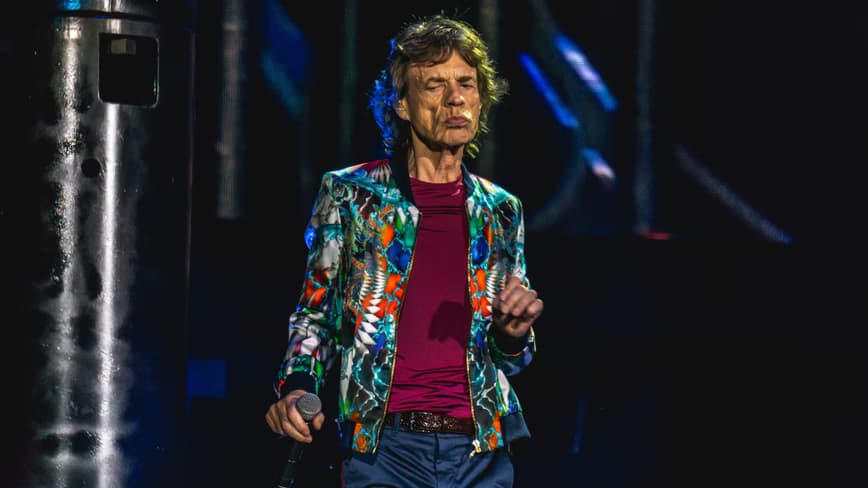
Image: TNW
Mick Jagger says musicians are free to use AI — as long as it does not mimic the Rolling Stones or build songs from someone else’s work without permission.
In a Billboard cover story published this week, the 82-year-old singer drew a hard line between AI as a creative aid and AI as imitation.
“If someone wants to make music by AI, go ahead. But it has to be original.”
Jagger said the problem starts when software generates tracks “in the style of the Rolling Stones,” using models often trained on scraped music without artists signing off.

Recommended reading
DeepMind’s in-house philosopher faces the AI boom
“There are people who use AI to just make a song from scratch, in the style of the Rolling Stones. If you were any kind of creative person, you wouldn’t do that.”
He was even more direct about voice and soundalikes, saying he does not want to be imitated by AI “vocally and instrumentally,” and that anything engineered to “sound exactly like the Rolling Stones” is “obviously wrong.” The concern is not theoretical: convincing voice clones of living and dead singers have been circulating online for years, while courts are still sorting out who owns a machine-made copy of an artist’s sound.
The comments landed alongside Foreign Tongues, the band’s 25th studio album, released on 10 July. It follows Hackney Diamonds, the Grammy-winning record from two years ago. Keith Richards struck a similar note in the interview, telling Billboard he would rather hear something new than “more and more copying and synthesizing.”
There is some tension in the band’s position. In May, the Stones released a video for “In the Stars” that used deepfake technology to place their younger faces — roughly circa 1968 — onto actors. But that, Jagger’s argument suggests, was acceptable because the band chose and controlled it.
He has also described AI in album promotion as a tool that can help “unstick” a blocked songwriter. Still, his own results have been underwhelming. Recalling an attempt to use AI to help title an earlier record, he told The Times of London: “it came back with such rubbish, it didn’t help me at all.”
That puts Jagger at odds with an industry moving faster: Sony’s AI drummer can reportedly pass as a session player, Spotify is using conversational AI in music discovery, and fully synthetic acts are already reaching the charts. Jagger’s position is narrower than outright rejection. Use the tools, he says — just do not use them to become him.

AI Editor
Ava covers the rapidly evolving world of artificial intelligence, from foundational models and research labs to the real-world economics of intelligence. With a background in computational linguistics, she cuts through the hype to find out what actually works. She firmly believes that benchmarks are just marketing until reproduced in the wild.
via TNW