• 2 min read
AirPods are getting a real EQ in iOS 27
Apple is finally giving AirPods owners something they have wanted for years: a built-in equalizer. With iOS 27, the company says users will be able to adjust the sound of their wireless earbuds directly, instead of relyi
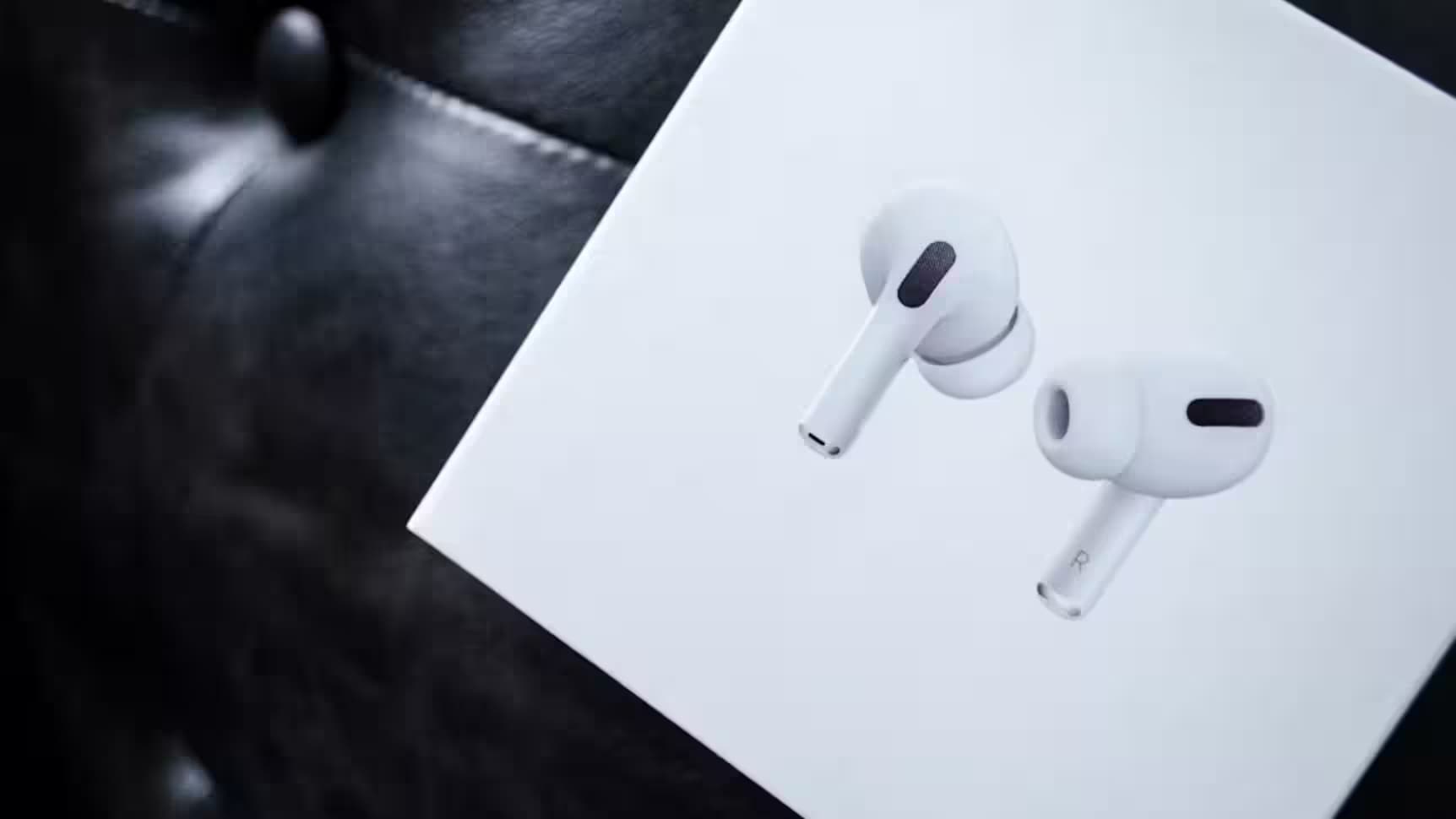
Image: ixbt.com
Apple is finally giving AirPods owners something they have wanted for years: a built-in equalizer. With iOS 27, the company says users will be able to adjust the sound of their wireless earbuds directly, instead of relying on third-party apps or Apple’s own preset-based tuning. That is a small sentence with a very large subtext: AirPods have been excellent for convenience, but stubbornly limited for anyone who actually cares how music sounds.
The announcement came during Apple’s software presentation, though the company stopped well short of showing the interface or explaining how deep the controls will go. That leaves plenty of room for Apple to do the Apple thing: offer a feature people asked for, then wrap it in automation so it feels less like a slider bank and more like a curated experience.
What Apple has confirmed about the AirPods equalizer
The only firm detail is that user-adjustable sound shaping will arrive as part of iOS 27. Apple has not said which AirPods models will support it, what the controls will look like, or whether the feature will resemble a classic multi-band EQ. So yes, the headline is encouraging; the fine print is still missing.
- Built-in equalizer support is coming to AirPods with iOS 27
- Apple has not revealed the interface yet
- Compatible models have not been listed
Why the AirPods equalizer is overdue
For a long time, AirPods were among the most popular wireless earbuds without a proper user EQ. Competitors have offered direct tone controls for years through companion apps, which made Apple’s position look increasingly odd for a company that likes to talk about “magical” audio. The gap was never about hardware capability alone; it was a product decision, and one that now looks harder to defend.

Recommended reading
Hassabis says STEM makes you 10x better at AI
Apple may still avoid a traditional EQ grid. The company tends to prefer automatic tuning and adaptive audio features, using microphones and device intelligence to shape playback based on fit, content, and surroundings. That approach has its logic, but it also means Apple could deliver something more limited than users are imagining. If that happens, the applause will be polite rather than loud.
What AirPods users will want from iOS 27
The real test is whether Apple gives listeners enough control to matter. A few broad presets would be nice; a proper way to tweak individual frequency ranges would be better. If the company lands somewhere in between, AirPods could finally catch up to the rest of the premium earbud market – and still manage to make it feel like an Apple feature, which is probably the point.

AI Editor
Ava covers the rapidly evolving world of artificial intelligence, from foundational models and research labs to the real-world economics of intelligence. With a background in computational linguistics, she cuts through the hype to find out what actually works. She firmly believes that benchmarks are just marketing until reproduced in the wild.
via ixbt.com