• 2 min read
AMD tests 8x frame generation for future Radeon GPUs
Hidden AMD driver settings point to 8x Multi-Frame Generation for Radeon, alongside new FSR ray tracing and lighting features.
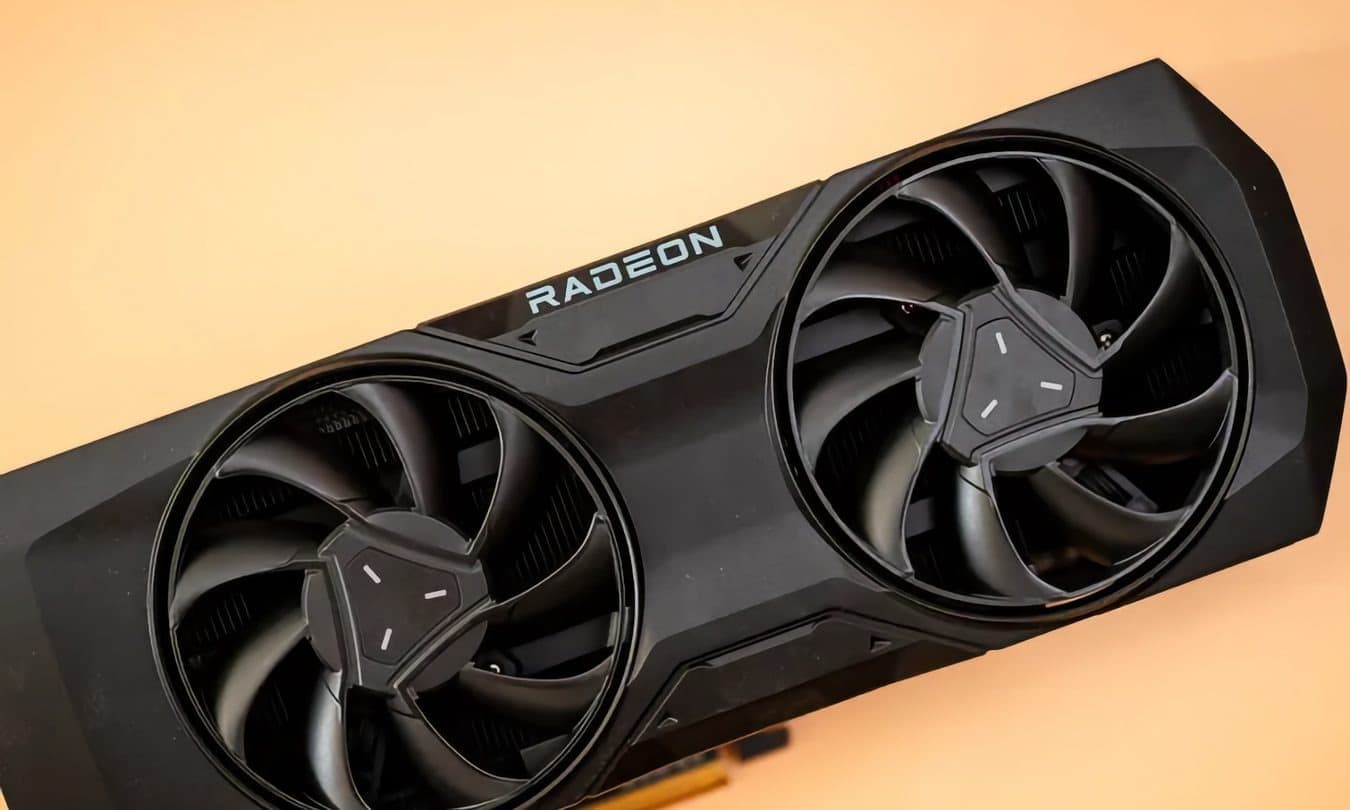
Image: iXBT
AMD appears to be testing an expanded Multi-Frame Generation system for Radeon graphics cards that could create up to 8 frames for every original frame, according to hidden settings found in the company’s drivers. AMD has not officially announced the feature.
Early signs of the technology surfaced in April with the FSR Redstone update for ADLXFidelityFXSDK, where users were given a way to choose a frame-generation multiplier to balance performance against image quality.
The latest references were discovered by a Chiphell forum user using RadeonTuner, a utility that exposes hidden options inside AMD drivers. In testing of the Adrenalin 26.6.2 WHQL driver on a Radeon RX 9070 XT, the user found four new parameters in the FSR section, including an FSR Multi Frame Generation Override toggle with a multiplier of up to 8x.
The driver also includes settings to force-enable FSR Ray Regeneration Denoiser, which is meant to improve image quality in ray-traced scenes, and FSR Neural Radiance Caching, a system for caching lighting data with neural-network methods.
For now, those features are available in only a small number of games, including Call of Duty: Black Ops 7 and Crimson Desert.

Recommended reading
24 travel gadgets PCWorld says are worth packing
The 8x multiplier could become a key differentiator if AMD ships it. The report notes that Nvidia’s current implementation is capped at 6x, meaning it generates 5 additional frames for each real one. Current Radeon cards, by contrast, support only standard frame generation with one additional frame, so a move to 8x would be a major jump.
That said, pushing generated frame counts higher also raises familiar issues around input latency and frame pacing. AMD has not shared a launch timeline for Multi-Frame Generation and has not officially confirmed the newly found settings, so their presence in the driver suggests preparation, not a feature ready for broad release.

Computing Editor
Tomas lives in the terminal. He covers chips, laptops, and operating systems with a focus on performance and efficiency. He reads kernel changelogs the way other people read fiction, and he's always on the hunt for the perfect mechanical keyboard switch. If it processes data, Tomas has an opinion on it.
via iXBT