• 2 min read
Android Auto goes wireless with a tiny adapter
If your car already supports wired Android Auto, a small adapter can add wireless connectivity in minutes — with a few trade-offs.
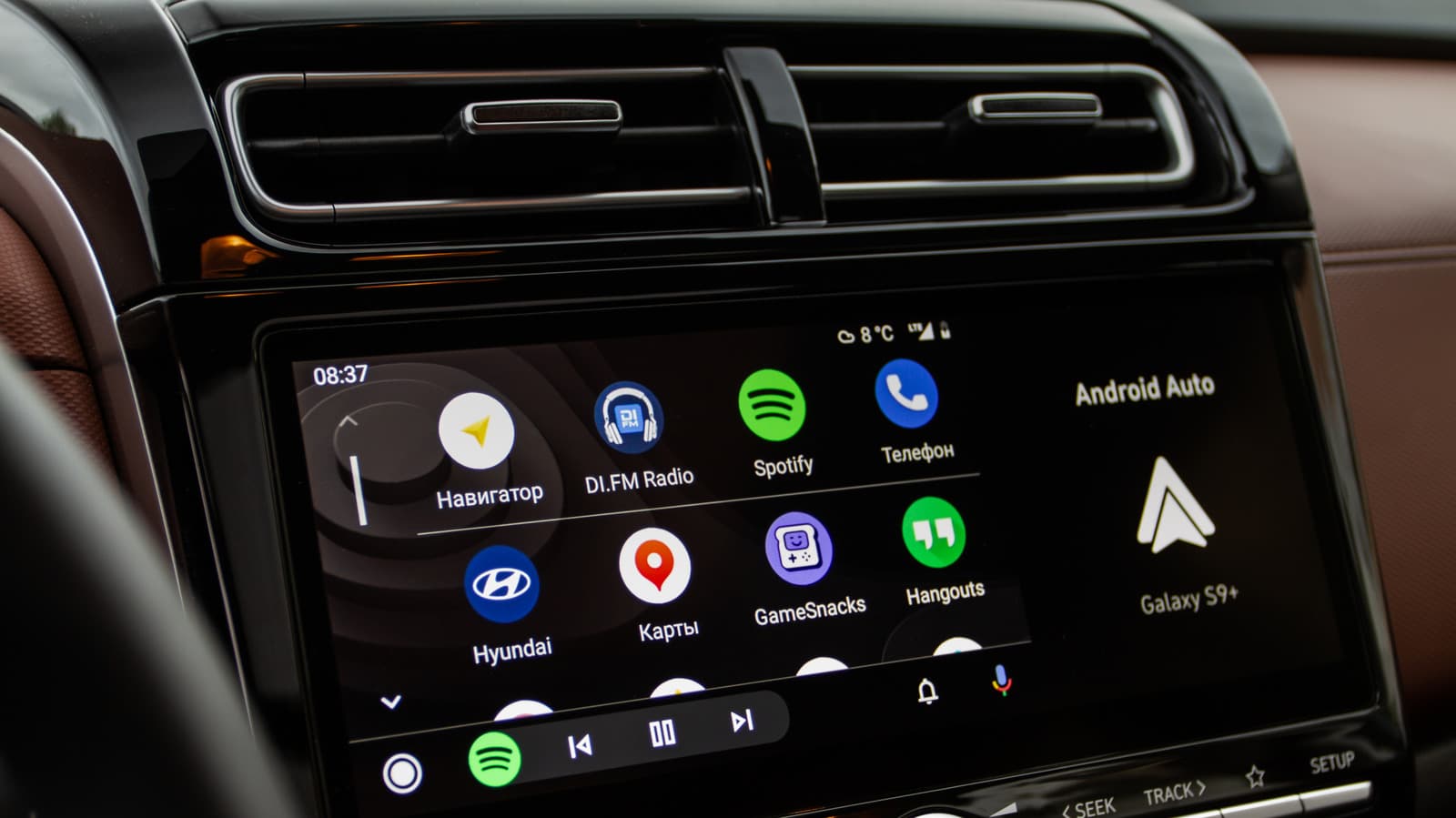
Image: Engadget
Cutting the cord in your car is a straightforward upgrade if your vehicle already supports wired Android Auto.
Instead of plugging in your phone every time you get behind the wheel, a small wireless adapter plugs into the car’s USB port and acts as a bridge between the infotainment system and your handset. It does not add Android Auto to cars that never had it in the first place — it only converts an existing wired setup to a wireless one.
The process is fairly simple. When you enter the car, your phone connects to the adapter over Bluetooth for authentication and hands-free calling. The adapter then creates a local 5GHz Wi-Fi Direct connection to handle the heavier data load, including navigation, audio streaming and real-time screen data. Once it’s set up, that connection should happen automatically on future drives.
There are trade-offs. A wireless link between the car, adapter and phone will not be quite as fast as a direct wired connection, though Engadget describes that as a minor compromise. Battery drain is the bigger issue: keeping a constant 5GHz connection alive while running GPS and streaming music can noticeably reduce your phone’s charge, so a separate charging cable may still make sense on long trips.
Engadget says buyers should focus less on brand names such as Carlinkit, AAWireless, Ottocast and Motorola, and more on the underlying hardware. In particular, avoid adapters that rely on 2.4GHz Wi-Fi, which can be slower and more prone to lag. A model with 5GHz support and a detachable USB cable is the better bet, especially if your dashboard layout makes fixed connectors awkward.

Recommended reading
BYD says it can overtake Toyota without the US

Frontier Editor
Dan is our resident futurist, covering electric mobility, space exploration, and the smart home. He's interested in atoms just as much as bits. Whether it's a new battery chemistry, a reusable rocket, or a protocol that finally makes IoT devices talk to each other, Dan breaks down the engineering that pushes humanity forward.
via Engadget