• 2 min read
EV charging got good on a 600-mile road trip
A 600-mile drive to Montreal shows how far U.S. EV fast charging has improved since 2023, with more chargers and reliability now in the mid-90s.
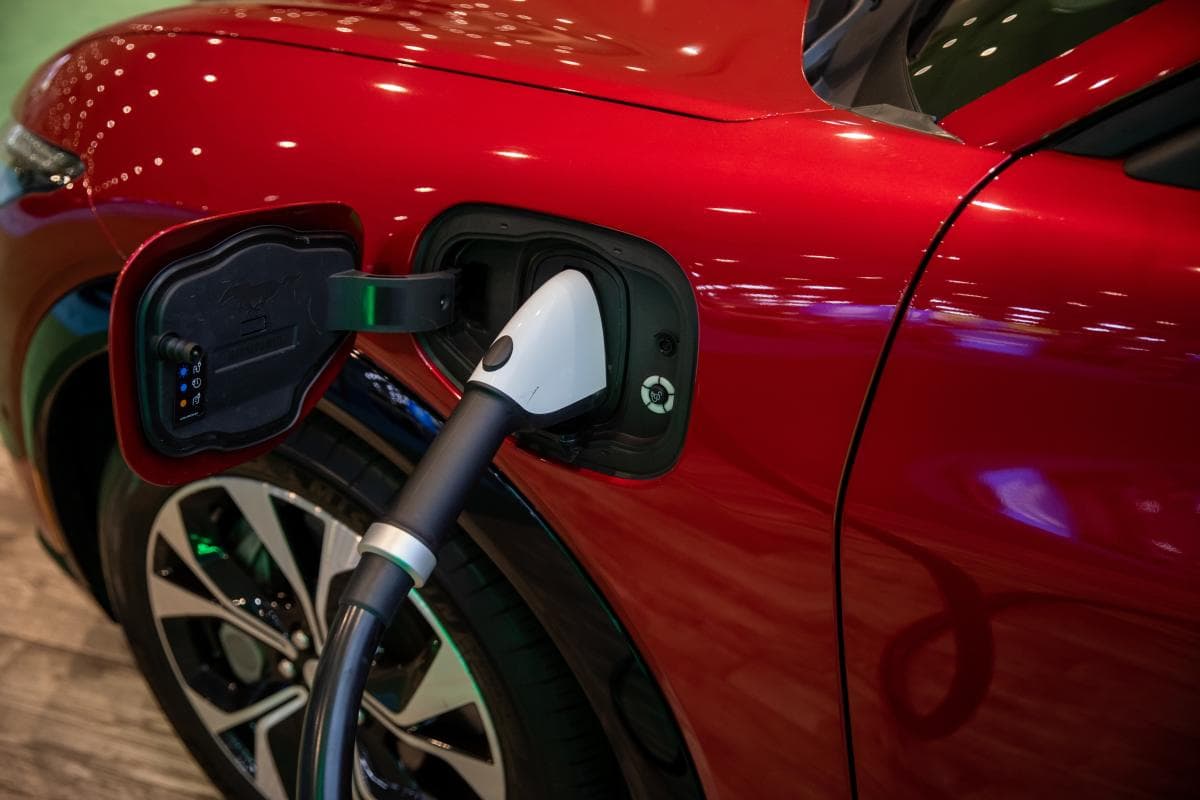
Image: TechCrunch
A 600-mile summer road trip to Montreal offered a simple test of whether public EV charging in the U.S. has actually improved. According to TechCrunch, the answer is yes.
The trip was supposed to happen in a Kia EV9, which can travel nearly 300 miles on a charge, but a broken air conditioner left that car in the shop. Instead, the drive happened in an Audi e-tron with a range of about 220 miles per charge. Even with the shorter-range vehicle, the charging experience was nearly flawless.
To plan stops, the route used A Better Route Planner (ABRP), the app now owned by Rivian. The first recommended stop was a Rivian charger near Lebanon, New Hampshire. There were six 300-kilowatt chargers, all working, no lines, and the station accepted a credit card without requiring the app. Charging peaked at more than 140 kilowatts, roughly the e-tron’s maximum.
Recommended reading
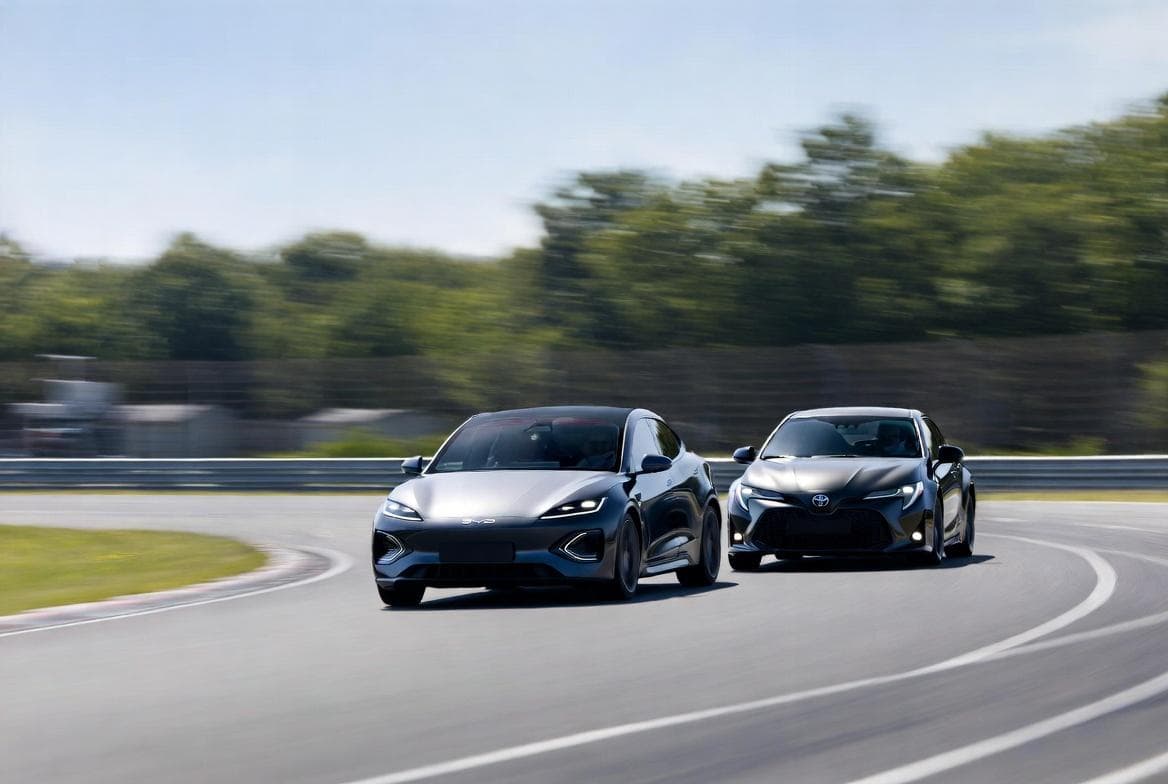
BYD says it can overtake Toyota without the US
The only problem came at a Circuit Électrique station outside Montreal, where the card reader failed. The workaround was to download the app and load it with 20 Canadian dollars. After that, the session worked normally. Across the whole trip, there were three charging sessions, each lasting about 20 minutes, typically paired with lunch or rest stops.
That stands in sharp contrast to a similar trip in 2023. On a roughly 350-mile round trip to Maine in the same Audi e-tron, one charger failed shortly after plugging in, another session had to be cleared by customer support, and a station that claimed two of four plugs were working really had only one available. The result: about seven hours of driving and three customer service calls.
U.S. fast-charging growth and reliability
TechCrunch says the broader data backs up the improvement.
In July 2023, the U.S. had about 32,000 DC fast chargers, according to the Joint Office of Energy and Transportation. Many were still limited to Tesla drivers at the time, even though Tesla had announced plans in 2023 to open its network. Widespread access took more than a year.
Today, most of Tesla’s network is open to other EVs, and continued buildout from Tesla and rivals has pushed the total number of DC fast chargers to more than double the 2023 figure.
Reliability has improved too. Since last year, Paren’s reliability index has climbed by nearly 10 points, from 85 to the mid-90s. Paren’s metric includes successful charging sessions and station downtime. Tesla still leads, Paren says, but competing networks are improving quickly.
There are still gaps, and chargers still break. But the combination of more stations, broader Tesla access, and faster repairs has changed the road-trip equation in a way that would have been hard to argue with in 2023.

Frontier Editor
Dan is our resident futurist, covering electric mobility, space exploration, and the smart home. He's interested in atoms just as much as bits. Whether it's a new battery chemistry, a reusable rocket, or a protocol that finally makes IoT devices talk to each other, Dan breaks down the engineering that pushes humanity forward.
via TechCrunch