• 2 min read
Chinese car sales in the UK hit 285,000 on tariff gap
UK sales of Chinese-made cars rose from 384 in 2015 to 285,000 last year as Britain avoided the extra tariffs seen in the EU and US.
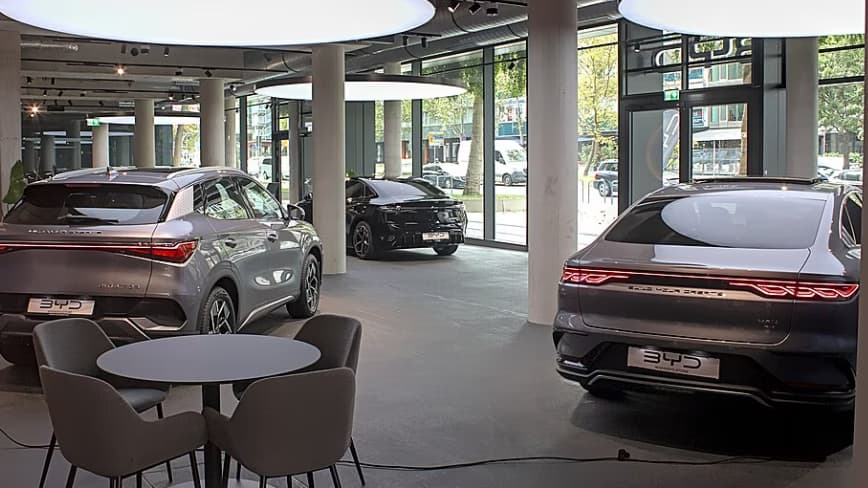
Image: TNW
Britain bought 285,000 Chinese-made cars last year, up from just 384 in 2015, according to automotive consulting firm Mobility Global. The jump reflects how much easier the UK market has become for Chinese automakers than other major Western markets.
The key difference is tariffs. The EU imposes countervailing duties of up to 35.3% on Chinese battery-electric vehicles and is preparing additional tariffs on plug-in hybrids. The US charges 100%. The UK applies neither, and places no additional tariff on Chinese plug-in hybrid vehicles.
That has created a pricing advantage Chinese brands are exploiting quickly. A Volkswagen Tiguan plug-in hybrid built in Germany sells in the UK for just over £43,000 ($58,000), while the BYD Seal U built in China costs almost £10,000 less. Buyers at a Geely dealership in Maidstone told CNBC the appeal was simple: better equipment for a lower price.
“It becomes an excellent size market that’s progressing well towards electrification and is in demand for some cheaper vehicles with that void to fill.”
The growth is still accelerating. BYD nearly doubled its UK sales in the first half of 2026 to more than 37,000 units, while Chinese brands now account for roughly 13% of new car registrations in Britain — double their share a year earlier.
China’s domestic market is weakening at the same time. Retail sales fell 26% in the first half of 2026, while exports rose 72%, according to the China Association of Automobile Manufacturers. Former GM board member Jon McNeill told CNBC that Chinese carmakers are entering Europe with highly competitive prices and technology that outclasses many European alternatives.
Recommended reading
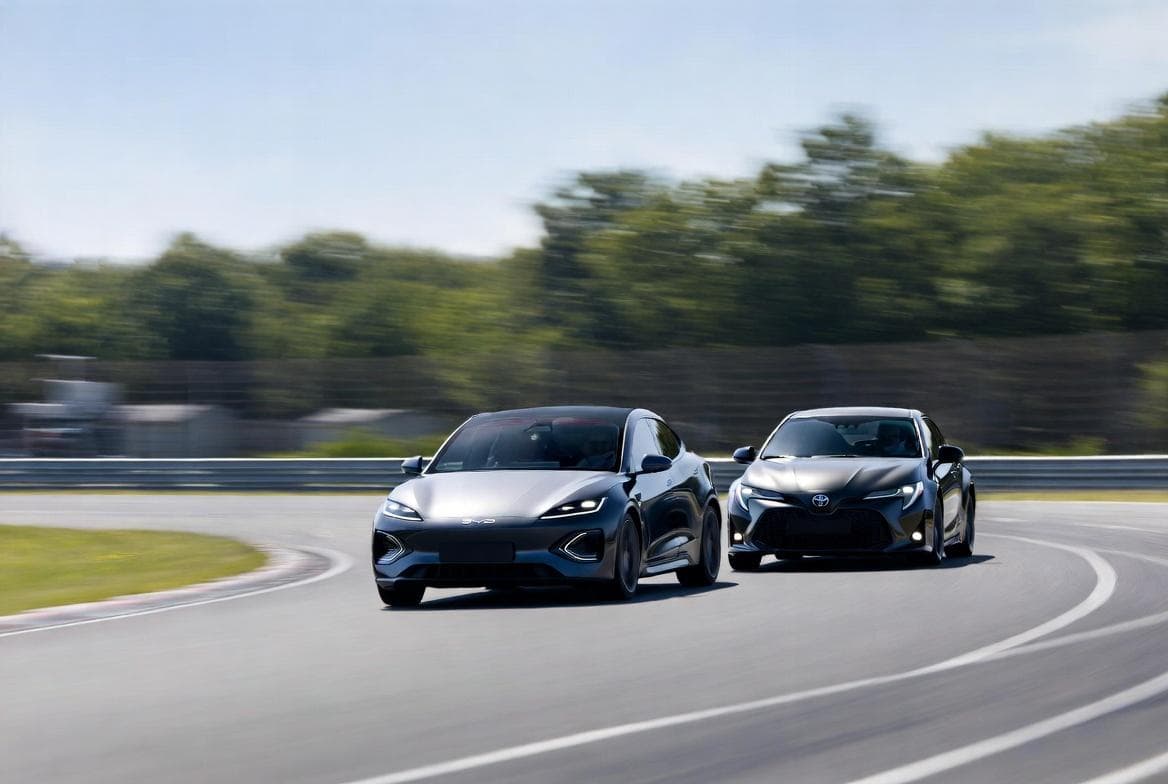
BYD says it can overtake Toyota without the US
Some companies are already adapting their manufacturing strategy. Geely has stopped building new factories and is using Volvo’s existing plants instead, helping it sidestep tariffs and absorb overcapacity. Canada opened its market to Chinese EVs in January with a 49,000-unit cap, but the UK remains more permissive, with no quota and no additional duties. If Chinese market share keeps rising, pressure on Britain to move closer to EU tariff policy is likely to grow.

Frontier Editor
Dan is our resident futurist, covering electric mobility, space exploration, and the smart home. He's interested in atoms just as much as bits. Whether it's a new battery chemistry, a reusable rocket, or a protocol that finally makes IoT devices talk to each other, Dan breaks down the engineering that pushes humanity forward.
via TNW