• 2 min read
Apple’s foldable iPhone uses ultra-thin glass and a titanium hinge to balance display finesse and cost
Apple’s first foldable iPhone is shaping up to be a careful balance of compromises-aiming to reduce the telltale crease in its foldable screen while accepting increased fragility to keep the price within reach. Recent le
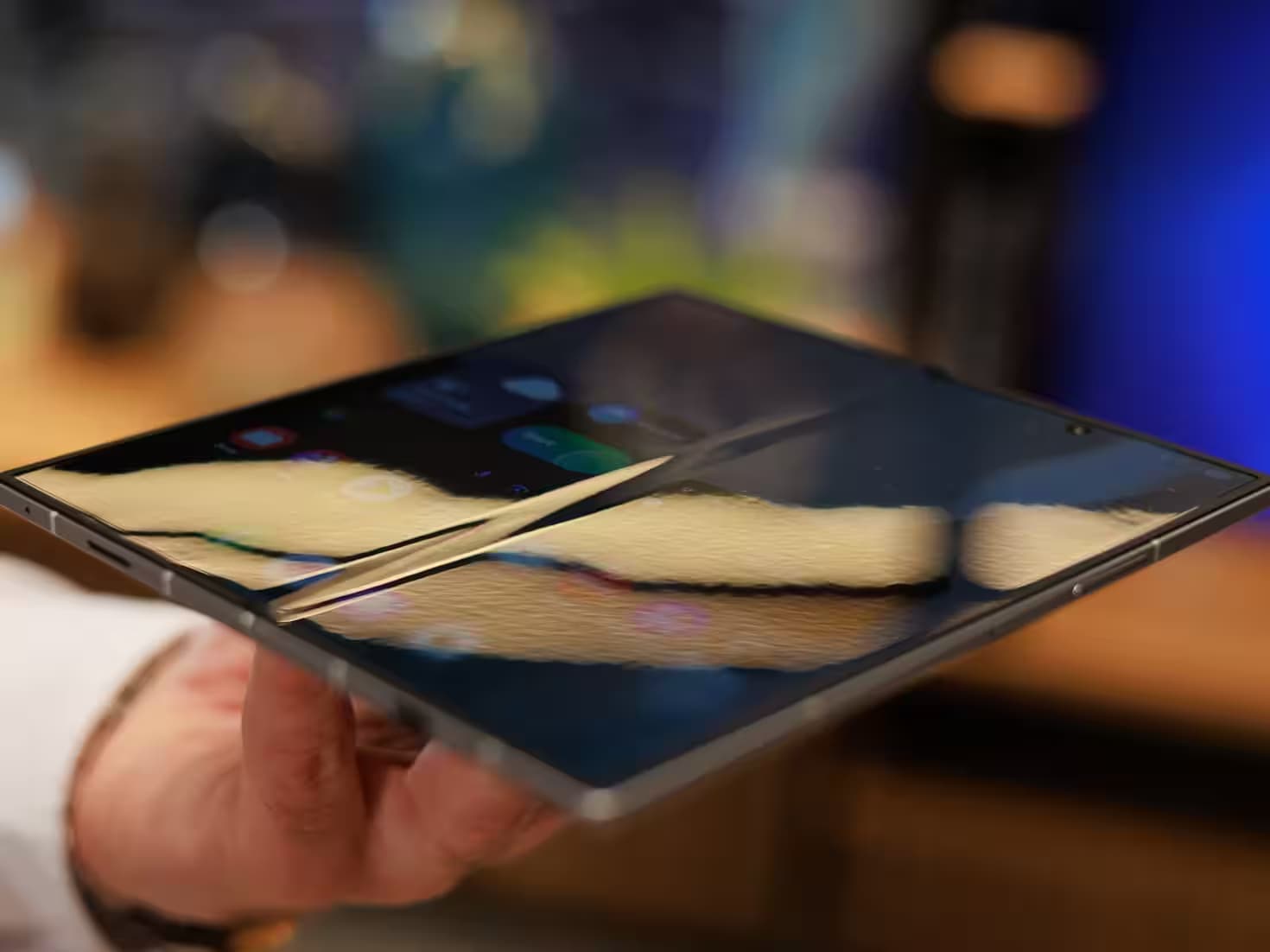
Image: phonearena.com
Apple’s first foldable iPhone is shaping up to be a careful balance of compromises-aiming to reduce the telltale crease in its foldable screen while accepting increased fragility to keep the price within reach. Recent leaks reveal that Apple is employing ultra-thin glass (UTG) less than 30 micrometers thick, thinner than most rivals' layers, to enhance flexibility and minimize permanent dents along the fold. But this choice also raises the risk of cracking from everyday bumps and drops.
Apple spent years hesitating to enter foldables because it wanted a crease-free experience, but the first generation will inevitably show some evidence of folding. Unlike a previous rumor of a no-contact hinge-which would have reduced stress on the screen at a premium-this new report suggests Apple is opting for a more conventional hinge design, using 3D-printed titanium with filler to smooth out microscopic gaps instead of costly precision machining. This approach helps keep manufacturing expenses-and thus the device price-lower.
Previous leaks suggested a hybrid approach combining ultra-thin flexible glass and UTG for added durability, but Apple appears to have doubled down solely on UTG. To compensate, the foldable display will incorporate “self-healing” capabilities that could mask minor scratches and stress lines-though the glass’s fundamental delicacy remains a concern.
With these measured design decisions, Apple is reportedly targeting roughly $2,200 for the 256GB foldable iPhone model, a figure that sounds steep but is surprisingly moderate compared to earlier projections above $2,500. This pricing might open the door for Apple to snag market share from pricier foldables, especially as demand for premium foldable devices continues to climb.

Recommended reading
Galaxy Z Fold 8 Ultra may get a bigger battery
- 256GB foldable iPhone: approximately $2,200
- Previous projections: over $2,500
Apple’s entry is set to disrupt the foldable smartphone segment much like Samsung’s Galaxy Z Fold devices have, likely triggering brisk sales even if durability questions arise. Apple wagering on aesthetics and user experience over ruggedness echoes its general strategy-delivering sleek products that captivate consumers, who might forgive some fragility as a tradeoff. Expect other manufacturers to feel the pressure as the foldable iPhone moves closer to launch.

Gadgets Editor
Eli is obsessed with the tangible future. He reviews phones, wearables, and everything with a battery. Known for his rigorous testing protocols and unabashed teardowns, Eli has broken more review units than he cares to admit, all in the name of discovering the truth about durability and repairability.
via phonearena.com