• 2 min read
Apple suit could slow OpenAI’s hardware push
TechCrunch’s Equity hosts say Apple’s trade secrets case could delay OpenAI hardware plans and complicate a potential IPO.
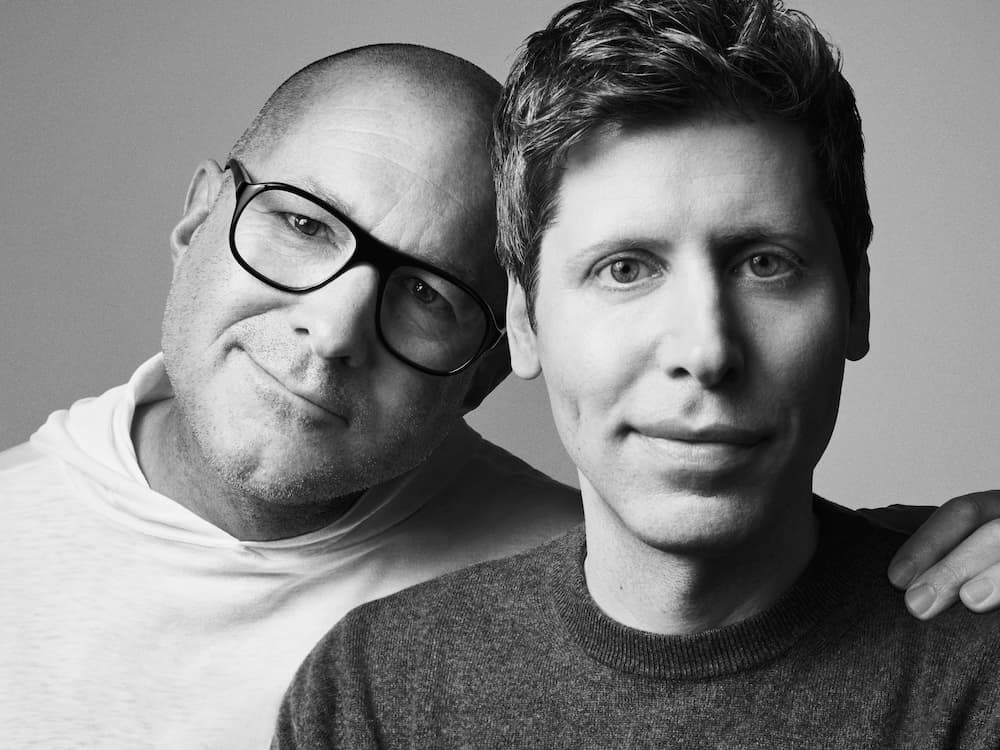
Image: TechCrunch
Apple’s new trade secrets lawsuit against OpenAI is already raising questions about whether the AI company’s hardware ambitions could be delayed before they properly begin. On the latest episode of TechCrunch’s Equity podcast, hosts Kirsten Korosec, Sean O’Kane, and Anthony Ha focused on the fallout for OpenAI’s reported device plans and its expected path to the public markets.
Apple accuses OpenAI of a broader pattern of misconduct aimed at getting current and former Apple employees to share confidential information. OpenAI responded that it is “not aware of any evidence that this complaint has merit.” The complaint reportedly names chief hardware officer Tang Tan, and Apple says more than 400 Apple employees now work at OpenAI.
For the Equity hosts, the immediate issue is not whether Apple ultimately wins, but whether the case creates enough friction to slow OpenAI’s hardware work. Sean O’Kane said even without an injunction or restraining order, litigation alone could create delays.
“Even setting aside whether or not the court grants any kind of injunctive relief or any kind of restraining order over what OpenAI is doing, it just naturally can lead to that sort of situation where it’s going to cause some delays in what OpenAI is working on. Which I’m sure was probably part of the reasoning behind Apple doing this. They don’t do this stuff willy nilly.”
That matters because OpenAI’s first hardware product has been widely speculated to be a mobile smart speaker, tied to its hardware effort with Jony Ive. The podcast also touched on privacy concerns around any always-listening device, especially one designed to be carried around other people.
The lawsuit could also complicate OpenAI’s reported confidential IPO filing. As O’Kane noted, OpenAI’s current business is still largely software, but any pitch to investors about future growth could be affected if hardware is a meaningful part of that story. A legal fight over alleged trade secret theft could change how that business is valued.
Recommended reading
AliExpress faces record $629 million EU fine
Anthony Ha also pointed to the reputational question: after OpenAI’s recent courtroom win against Elon Musk, would the company want to avoid another public trial? Korosec’s answer was blunt — she expects OpenAI to conclude it can withstand the cost and embarrassment and keep going.
Enterprise Editor
Marcus follows the money. He covers enterprise software, cloud architecture, and the tectonic shifts in Big Tech strategy. He translates dense earnings calls and complex M&A activity into actionable insights about where the industry is actually heading. If a tech giant makes a silent pivot, Marcus is usually the first to notice.
via TechCrunch