• 2 min read
ASML cuts EUV build time as AI orders fill 2027
ASML aims to shrink EUV machine build cycles from 22 weeks to 15–16 weeks as 2027 capacity nearly sells out and 2028 orders pile up.
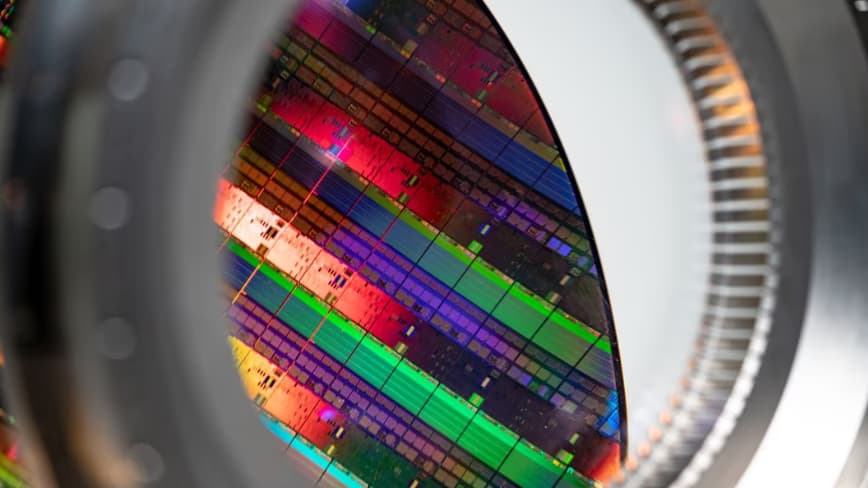
Image: TNW
ASML is moving to build its extreme ultraviolet lithography machines about 30% faster as chipmakers race to lock in capacity for AI.
CFO Roger Dassen said the company plans to cut the EUV production-and-test cycle from about 22 weeks a few quarters ago to 15 to 16 weeks. That clock covers the period from the start of production in ASML’s clean rooms to shipment.
“We’re now looking at bringing that down to 15 to 16 weeks.”
The Dutch company is already close to being fully booked for 2027 EUV systems, with a “substantial number” of orders in place for 2028. Dassen said it is “rare” to see orders coming in that far ahead, underscoring how aggressively chipmakers are expanding for AI demand.
Recommended reading
Vietnam taps RusHydro to upgrade Soviet-era dams
ASML also raised its full-year sales outlook to €43 billion to €45 billion ($49.2 billion) and said it plans a 30% capacity increase for 2027. It is also investigating another 30% boost for 2028.
To get there, the company expects to produce about 65 of its low-NA EUV machines this year and is changing how it manufactures them. According to Dassen, ASML is:
- reducing parts of its testing protocol while maintaining quality
- reorganising clean room cabins so space is used for output rather than R&D
- working with suppliers to remove bottlenecks
“We see opportunities to reduce the testing protocol and still maintain quality. We can crank out more tools, and customers are open to that.”
The pressure on ASML matters far beyond its own factory floors. ASML is the only company in the world that makes EUV machines, and advanced chips from TSMC, Samsung, and Intel depend on them. With EUV systems taking more than a year to deliver after an order is placed, ASML’s output has become a hard constraint on how quickly AI data centres can be built.

Enterprise Editor
Marcus follows the money. He covers enterprise software, cloud architecture, and the tectonic shifts in Big Tech strategy. He translates dense earnings calls and complex M&A activity into actionable insights about where the industry is actually heading. If a tech giant makes a silent pivot, Marcus is usually the first to notice.
via TNW