• 3 min read
Balcony solar could cut bills, but Australia still bans it
Plug-in solar systems could save Australian households hundreds a year, but legal, technical, and rental rules still block them.
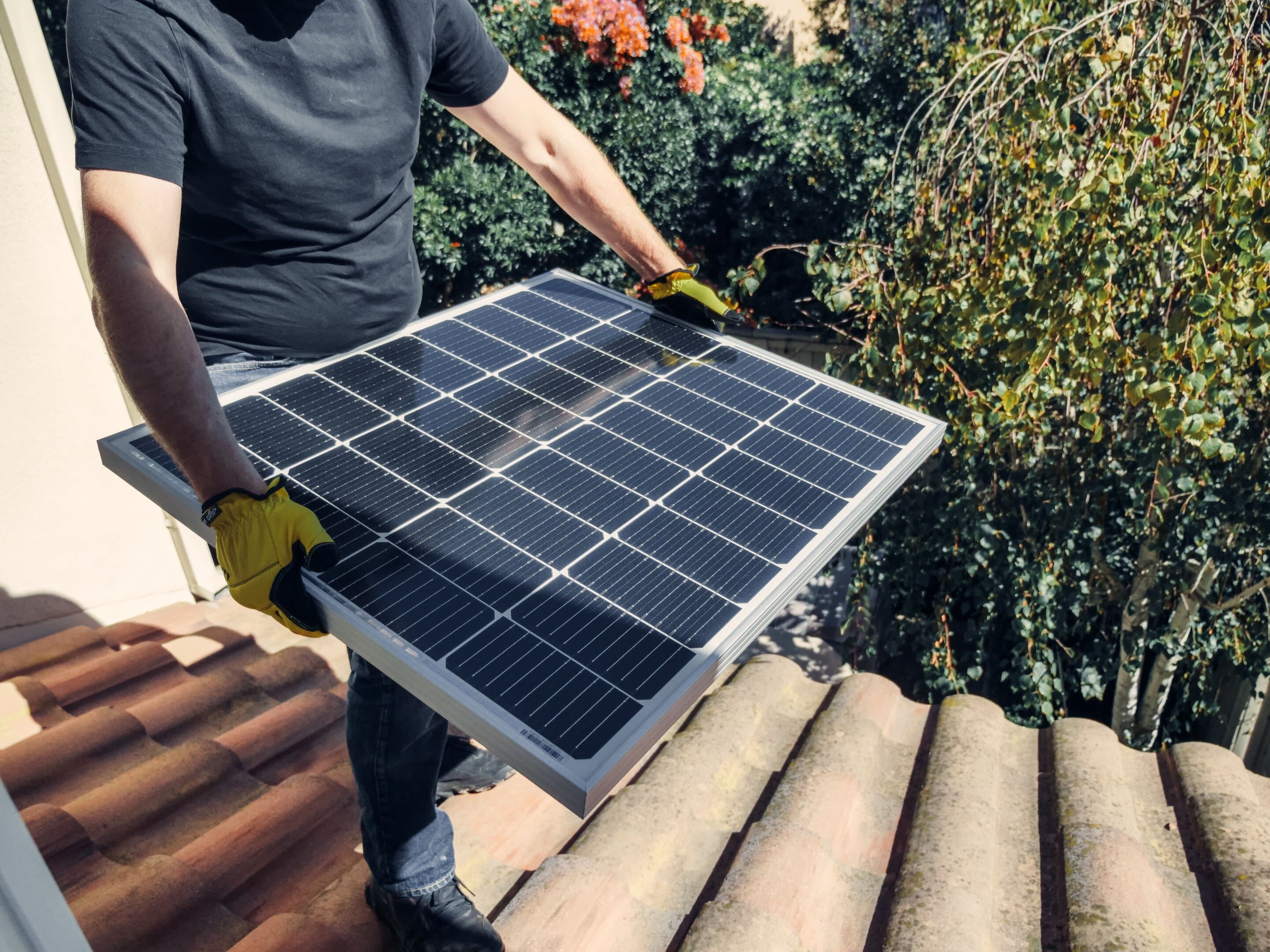
Image: TechXplore
Plug-in solar systems could shave hundreds of dollars off annual power bills for Australian households, especially renters and apartment residents who are mostly locked out of rooftop solar. But despite strong uptake overseas, the systems are still illegal to install in Australia.
The article, republished from The Conversation, says almost one-third of Australians either rent, live in apartments, or are connected to private energy networks. Those households often miss out on rooftop solar because of limited roof space, expensive switchboard and wiring upgrades, long approval times, and landlords' weak incentive to pay for systems when tenants get the savings.
Known as balcony solar, plug-in setups usually include one or two photovoltaic panels and a micro-inverter. They plug into a standard power outlet, making them easier to install and remove than rooftop systems, and some models also include a battery. Germany now has more than 1.2 million such systems installed, and the technology has also been legalized in France, Austria, the United Kingdom, and many parts of the United States.
Using the Nationwide Home Energy Rating Scheme Whole of Home tool, the researchers estimated that a one-kilowatt plug-in solar system that is vertical, unshaded, and faces true north could save a household A$226 per year in Canberra and A$372 in Adelaide. That works out to roughly 13% of the average annual Australian energy bill.
Recommended reading
Vietnam taps RusHydro to upgrade Soviet-era dams
What is blocking plug-in solar in Australia
The source identifies three main obstacles:
- Technical: no tested or certified plug-in solar systems are currently available in Australia, and existing standards do not yet cover them
- Regulatory: rental and strata rules give landlords and bodies corporate significant control over building changes
- Social: some renters and vulnerable households lack information or are wary of unfamiliar technology
The article points to Germany as an example of regulatory change, noting that landlords and bodies corporate there cannot unreasonably block balcony solar systems simply because they dislike how they look.
Portable power stations are available now
While Australia is not yet ready for plug-in solar, portable power stations are already on sale. These indoor battery packs charge from a household outlet and can later power lights, small appliances, TVs, computers, and phones. According to the article, they can be installed without approval from an electrician, landlord, or strata body.
The piece also highlights the federal Solar Sharer Offer and Victoria’s upcoming Midday Power Saver, which provide free midday electricity tariffs to eligible households. For people who cannot shift their electricity use to lunchtime, portable power stations could store that free power for later—an option that may be particularly useful in high-rise apartments.
Australia’s clean energy shift is moving ahead, but for renters and apartment dwellers, lower-cost solar access still depends on the rules changing.

Enterprise Editor
Marcus follows the money. He covers enterprise software, cloud architecture, and the tectonic shifts in Big Tech strategy. He translates dense earnings calls and complex M&A activity into actionable insights about where the industry is actually heading. If a tech giant makes a silent pivot, Marcus is usually the first to notice.
via TechXplore