• 4 min read
Best smartwatches now, plus 11 more worth a look
Wired’s 2026 smartwatch guide highlights eight top picks and a longer list of alternatives, from Apple and Google to Casio and Tag Heuer.
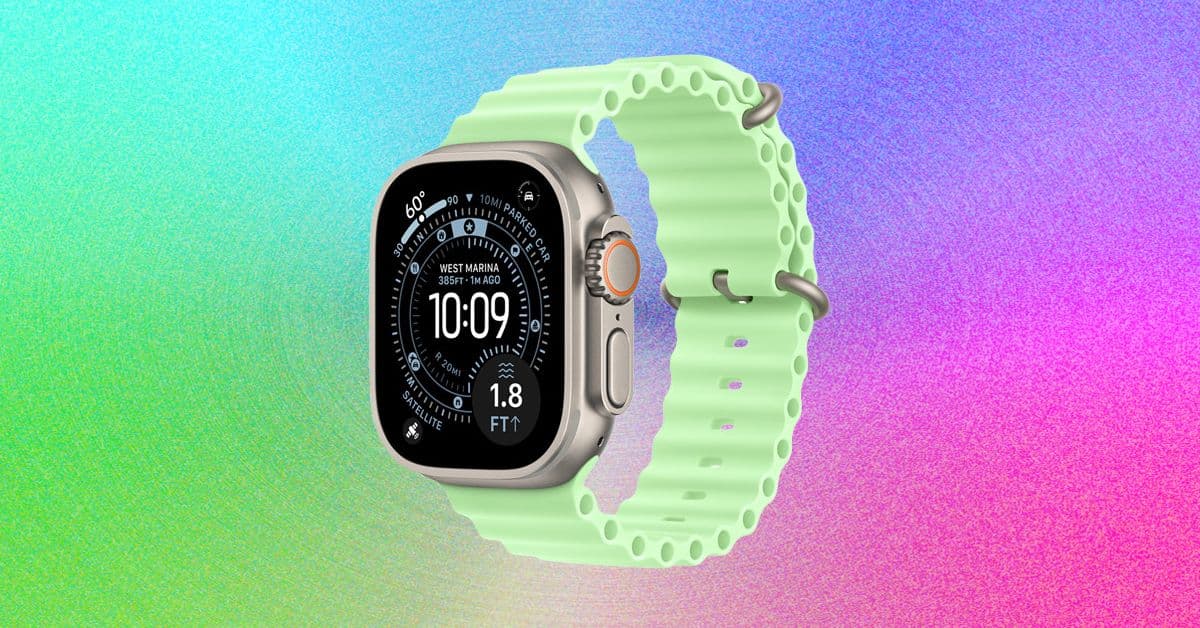
Image: Wired
Wired’s latest smartwatch roundup names eight top picks across Apple, Google, Samsung, Garmin, Nothing, and Fitbit, with prices ranging from $79 to $799. The core list includes the Apple Watch Series 11 at $399, Google Pixel Watch 4 at $400, Samsung Galaxy Watch8 and Watch8 Classic starting at $380, Garmin Vivoactive 6 at $300, Apple Watch SE 3 at $249, Apple Watch Ultra 3 at $799, Nothing CMF Watch 3 Pro at $79, and the Fitbit Ace LTE at $180.
Beyond those main picks, Wired also calls out several additional watches it recommends for buyers with more specific tastes, including rugged outdoor models, hybrids, discounted older flagships, and even a luxury Wear OS alternative.
The Casio Pro Trek PRG-340B, priced at $220, stands out as a solar-powered outdoor watch with barometer, altimeter, temperature readings, compass, and an easy-to-read LCD. Wired says it skips heart-rate tracking and notifications, but that limited feature set is part of the appeal.
Recommended reading
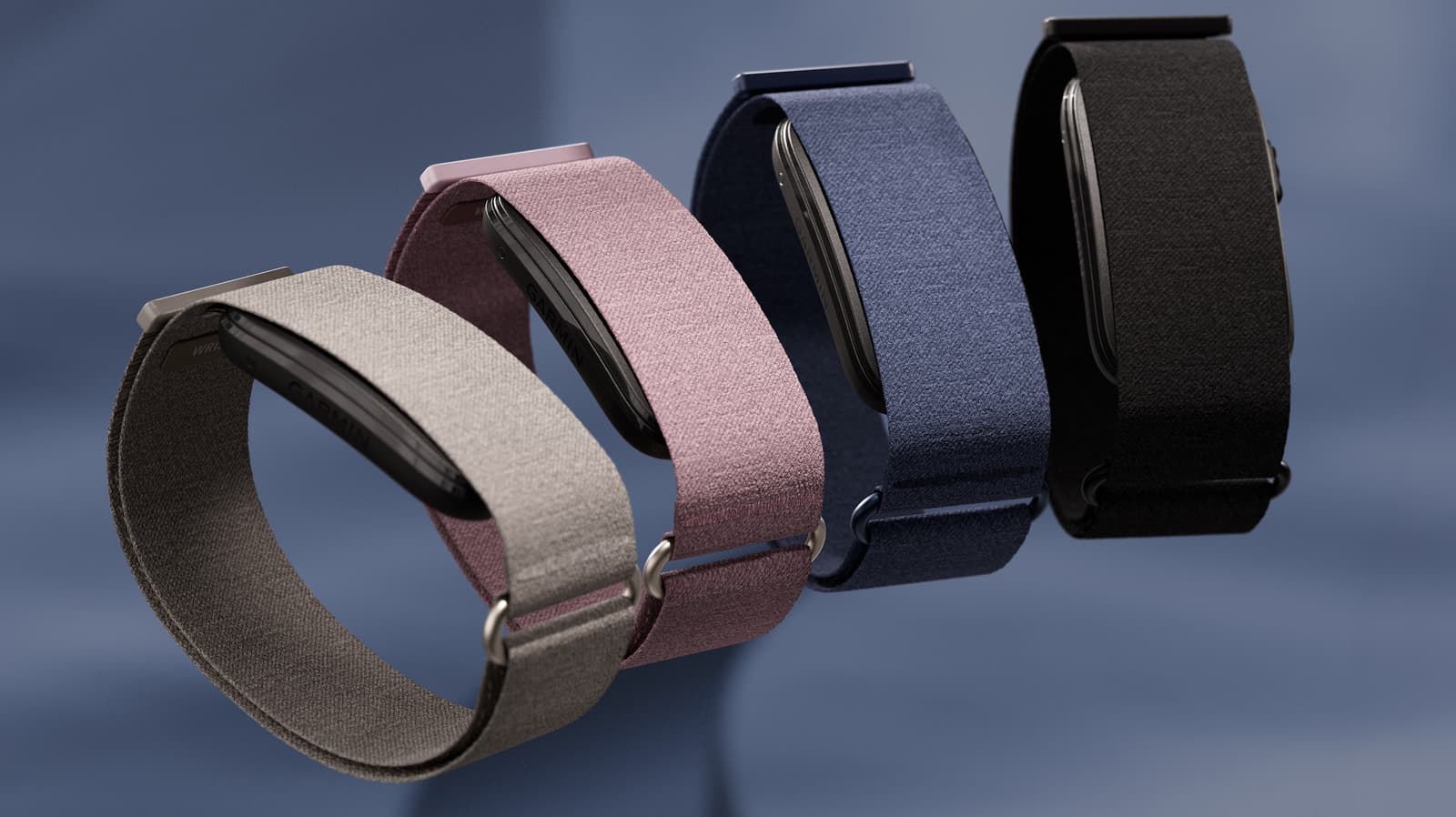
Garmin takes on Whoop with its first screenless tracker
At the opposite end, the Casio CA53W-1CR Calculator Watch costs just $40. It offers a stopwatch, alarm, second time zone, and a five-year battery, along with the obvious calculator gimmick that made it a classic.
Wired also highlights the Casio G-Shock Master of G Rangeman GPR-H1000 at $520. It adds six sensors, built-in GPS, heart-rate tracking, activity tracking, sleep tracking, blood oxygen monitoring, compass, world time, altimeter, and barometer. The publication says the core metrics broadly matched an Apple Watch Series 10, though some app data lagged and several functions were slow to load.
For hybrid-watch fans, the Withings ScanWatch 2 remains in the mix at $370. Wired notes that HealthSense 4, released in the fall of 2025, improved algorithms, added predictive features, and pushed battery life to 35 days without requiring new hardware. The tradeoff: the tiny display remains limiting, and deeper insights are locked behind Withings+ at $8 per month or $99 a year.
Discounted older Apple, Google, and Samsung watches
The Apple Watch Series 10 is now listed at $360, and Wired argues it is still worth buying at the right price. Thanks to watchOS 27, it shares several features with the Series 11, including hypertension notifications and Sleep Score. It also regained blood oxygen sensing through a software update in August 2025, though battery life still sits at 18 hours.
The Apple Watch Ultra 2 is down to $730. Wired says it still makes sense if discounted heavily, especially for buyers who want multi-day battery life, better microphones, an 86-decibel siren, precise GPS, and Backtrack for navigation.
The Google Pixel Watch 3 now sells for $300. Wired points to FDA-cleared loss-of-pulse detection in the US, plus stronger running features such as custom runs, AI-powered recommendations, and cardio load guidance. Its main caveat is repairability, an issue the newer model reportedly fixes.
Samsung’s Galaxy Watch Ultra 2025 costs $650 and is effectively the same as the 2024 version, but with 64 GB of storage and a new blue color. Wired says it lasts a little over two days per charge and pairs a titanium case with sapphire glass, 10 ATM, and IP68 protection.
The Samsung Galaxy Watch7 44 mm is listed at $280, with Energy Score, improved sleep tracking, and FDA-cleared sleep apnea detection. But Wired says battery life is a weak point, struggling to reach 24 hours with the always-on display and regular activity tracking. The cheaper Galaxy Watch FE, at $172, keeps many of the same health sensors but also lasts only about a day.
At the high end, the TAG Heuer Connected Calibre E5 comes in at $1,950. Wired describes it as a design- and brand-led buy rather than the richest smartwatch experience: it can track heart rate, steps, calories, and some workouts, but still lacks sleep tracking, which is expected in a future software update. The product is currently sold out, though Wired says a restock is expected.
Wired closes with a simple distinction: smartwatches aim to mirror more of your phone, including apps, messaging, smart home controls, and assistants like Siri or Gemini, while fitness trackers usually offer fewer apps but can match or beat smartwatches on health and fitness tracking.

Gadgets Editor
Eli is obsessed with the tangible future. He reviews phones, wearables, and everything with a battery. Known for his rigorous testing protocols and unabashed teardowns, Eli has broken more review units than he cares to admit, all in the name of discovering the truth about durability and repairability.
via Wired