• 3 min read
Fake bird photos are polluting science data
Researchers say generative AI images and audio are starting to contaminate citizen-science databases used to track species, migrations, and populations.
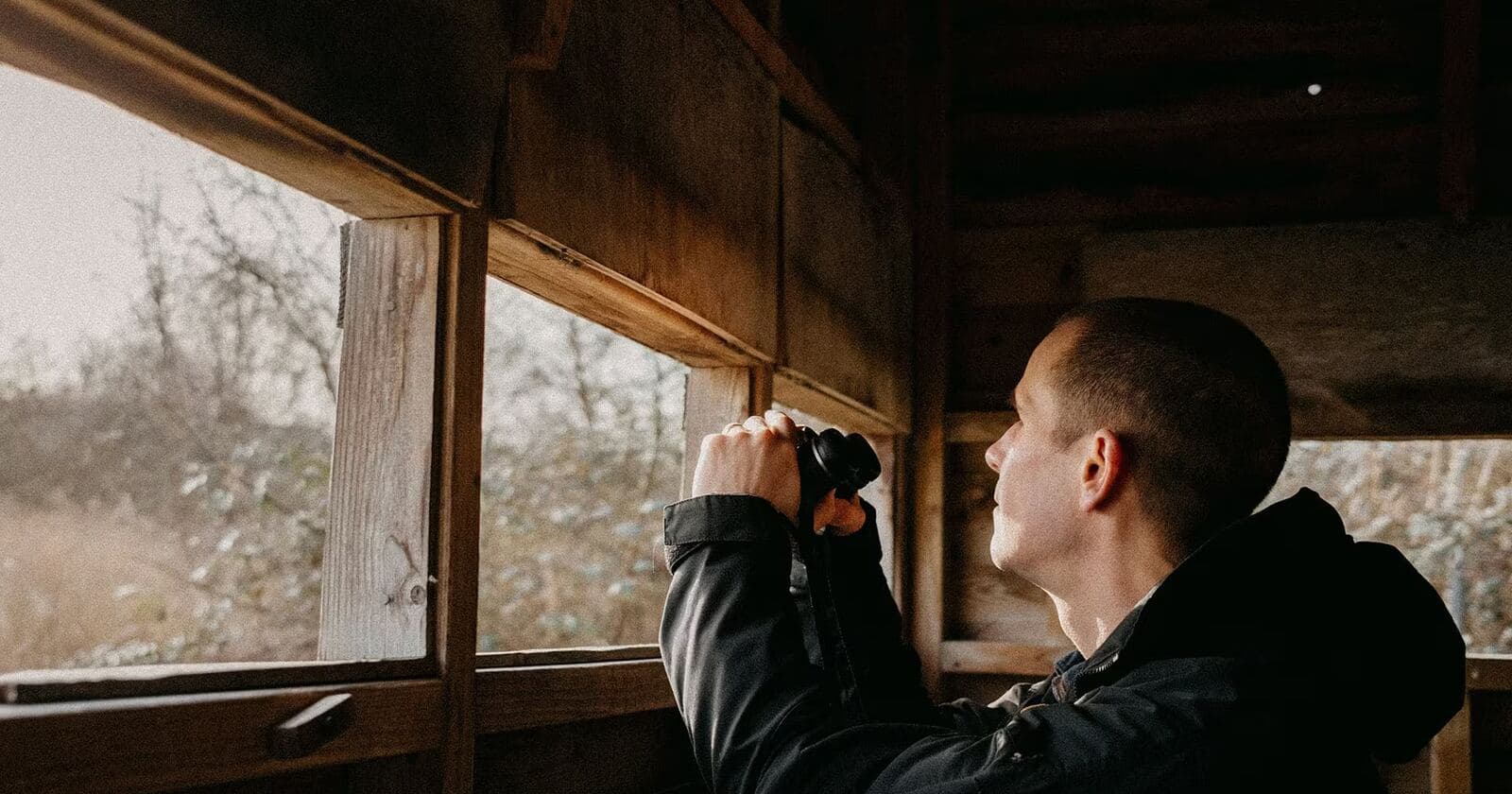
Image: ITzine
Researchers are warning that generative AI is now interfering with something as basic as birdwatching. In a recent letter in Nature, authors from Cornell and Manchester Metropolitan University said fake and AI-edited images — along with recordings — are beginning to erode the quality of data in citizen science platforms such as iNaturalist.
That matters because these databases are no longer just hobby projects. Ecologists and ornithologists use them to track species ranges, seasonal migrations, and population changes. When AI-generated material enters those datasets, confidence in the records drops along with their scientific value.
The researchers say moderators are already finding generated and AI-enhanced images, though the true scale of the problem is still unclear. And the issue goes well beyond birding. The same risk applies to projects covering fungi, insects, and plants — anywhere a photo is treated as evidence that an observation happened.
Recommended reading
Sponge-inspired metamaterials cut vibrations and boost strength
The problem is compounded by AI on the other side of the pipeline. Bird-identification apps, including Merlin from the Cornell Lab of Ornithology, already use machine learning to suggest species based on sound, photos, and location. If bad data gets into training sets, those systems become more error-prone. Users then feed those mistakes back into the databases, creating a loop in which poor data trains models, and the models help generate even more poor data.
Citizen science works through a simple exchange: someone spots an animal, logs the location, uploads a photo, and contributes to research. At scale, that system is hugely valuable. iNaturalist alone contains tens of millions of observations, and similar databases are used worldwide by bird, insect, and plant observers.
Generative AI is particularly well suited to imitating that kind of evidence. It can create plausible images of rare species, alter the background of a real photo, or tweak details to match an expected result. For moderators, separating a fake from a low-quality image or an ordinary mistake is becoming much harder.
These scientific databases were built in an era when false entries were mostly accidental: a blurry shot, a wrong label, a misidentified species. Generative AI adds something closer to industrial scale. The researchers argue this is no longer about isolated curiosities, but a steady flow of content capable of quietly shifting observation statistics.
Similar problems have already hit stock image libraries and scientific journals, which have faced a rise in questionable illustrations and graphs made with generative tools. But in citizen science, the stakes are higher: the records feed into conclusions about migration, distribution, and the health of populations.
The most damaging effect may appear later. Even if some fake material is removed, contaminated data may already have entered the datasets used to train new models and build analytical tools. At that point, the error is no longer one-off. It accumulates, and each new layer of automation makes cleanup harder. For platforms, the question is no longer whether AI-generated material will appear, but whether moderators and algorithms can catch enough of it before one fake photo becomes one more false point on a species map.

Frontier Editor
Dan is our resident futurist, covering electric mobility, space exploration, and the smart home. He's interested in atoms just as much as bits. Whether it's a new battery chemistry, a reusable rocket, or a protocol that finally makes IoT devices talk to each other, Dan breaks down the engineering that pushes humanity forward.
via ITzine