• 2 min read
CATL LFP packs outlast other Tesla Model 3 batteries
A Swedish analysis of 9,954 battery tests found Tesla Model 3 units with CATL LFP packs retained the most capacity after high mileage.
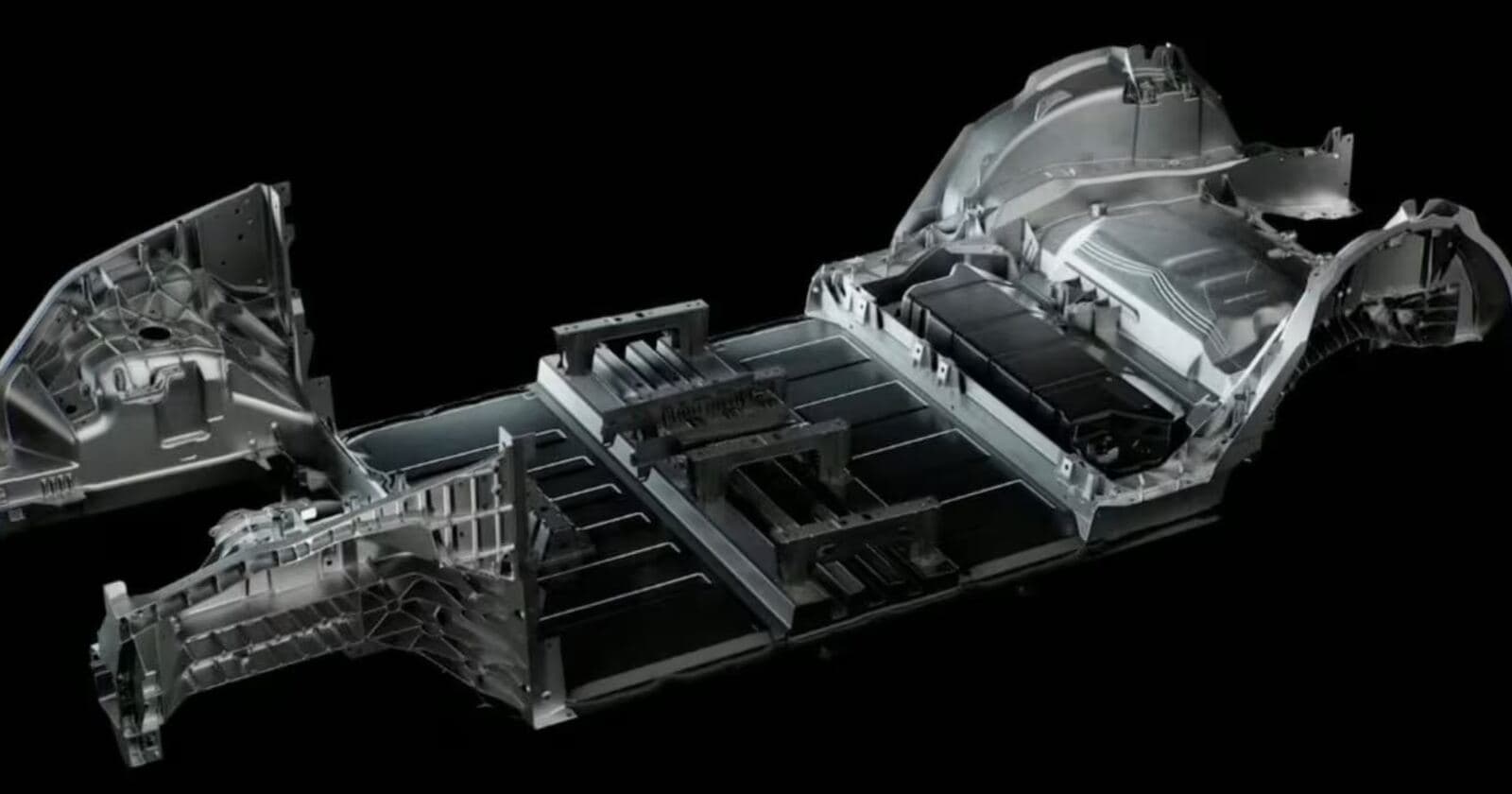
Image: ITzine
Tesla Model 3 cars equipped with CATL’s LFP batteries held onto capacity better than versions using pricier nickel-based packs, according to Swedish company Carla. The finding comes from an analysis of 9,954 battery checks performed by the AVILOO system between 2022 and 2026.
The dataset covered cars with more than 100,000 km on the odometer. On average, Tesla Model 3 vehicles with CATL batteries showed 93.3% remaining capacity. Versions with LG Chem packs came in at 91.5%, while models using Panasonic cells scored 89.8% and 88.2%, depending on the variant.
That leaves a gap of as much as five percentage points between the best and worst battery options within the same model. In the used EV market, that difference translates into real-world range and potentially resale value — an area where Carla, which focuses on used electric cars, has a direct commercial interest.
Recommended reading
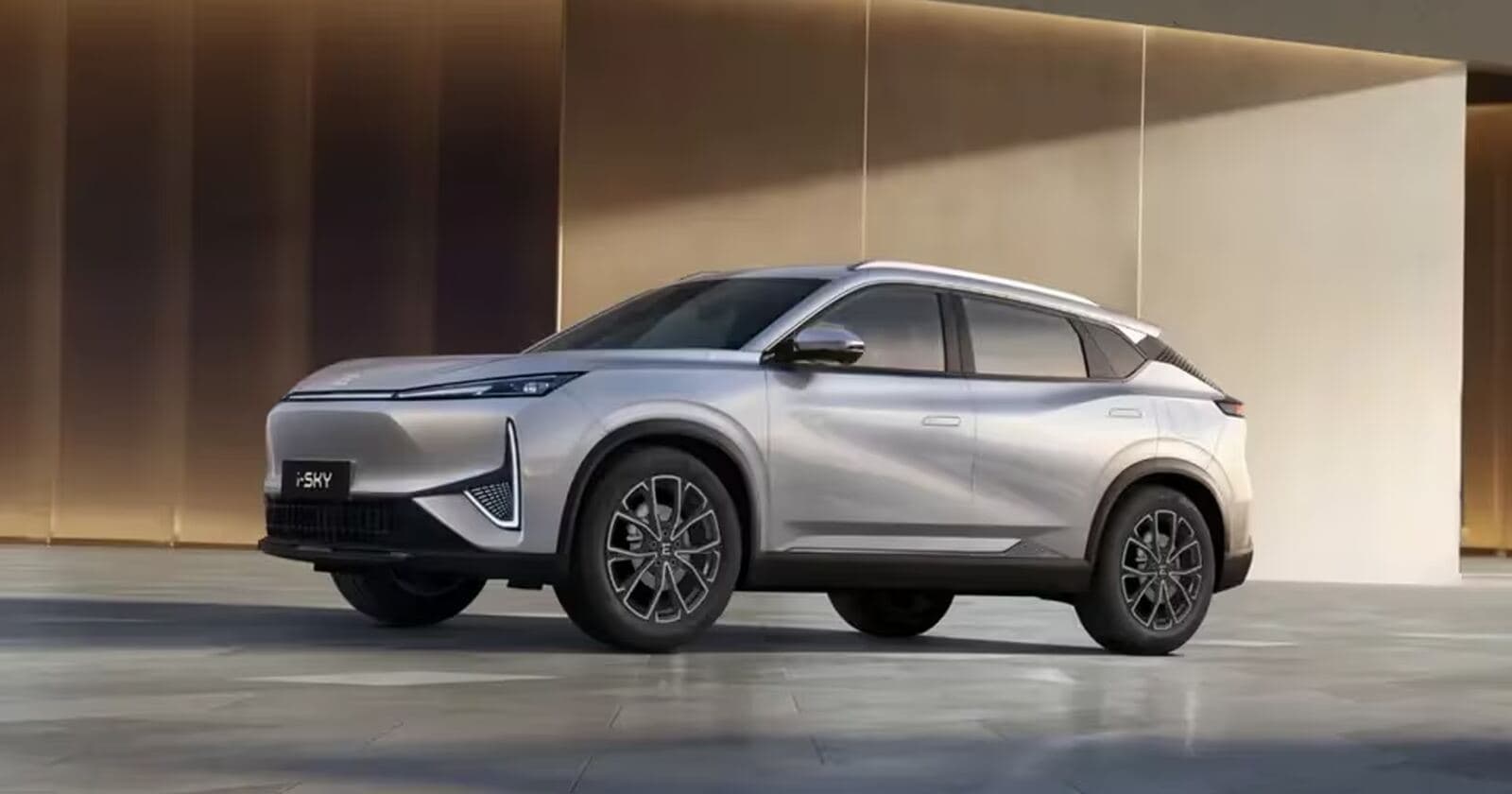
Evolute i-Sky slips to fall 2026 launch
A likely reason is chemistry. Lithium iron phosphate (LFP) batteries generally tolerate full charging better and are less sensitive to temperature stress, while nickel-based batteries are usually not meant to sit at 100% charge for long periods. Tesla itself says nickel versions are best kept at 80% to 90% in normal use, while LFP variants should be charged fully on a regular basis for calibration.
The result also fits a broader industry shift. According to the IEA, LFP has already taken a significant share of the global traction battery market and is growing especially fast in the mass market, where price and service life matter more than peak energy density. CATL has remained the world’s largest maker of traction batteries for years, and Tesla uses LFP packs in entry-level Model 3 and Model Y vehicles in some markets, especially for cars built in China.
With demand for new EVs slowing and the secondary market gaining importance, battery durability is becoming one of the key buying factors. If similar numbers are confirmed by independent services in the US and Europe, LFP will have another strong argument against nickel-based NCM and NCA batteries.

Frontier Editor
Dan is our resident futurist, covering electric mobility, space exploration, and the smart home. He's interested in atoms just as much as bits. Whether it's a new battery chemistry, a reusable rocket, or a protocol that finally makes IoT devices talk to each other, Dan breaks down the engineering that pushes humanity forward.
via ITzine