• 2 min read
DDR2 prices jump 60% as old memory gets squeezed out
DDR2, a memory standard that first appeared in 2003, is suddenly getting more expensive again. According to TrendForce, DDR2 contract prices rose 55-60% in the second quarter of 2026, and another 35-40% increase is expec
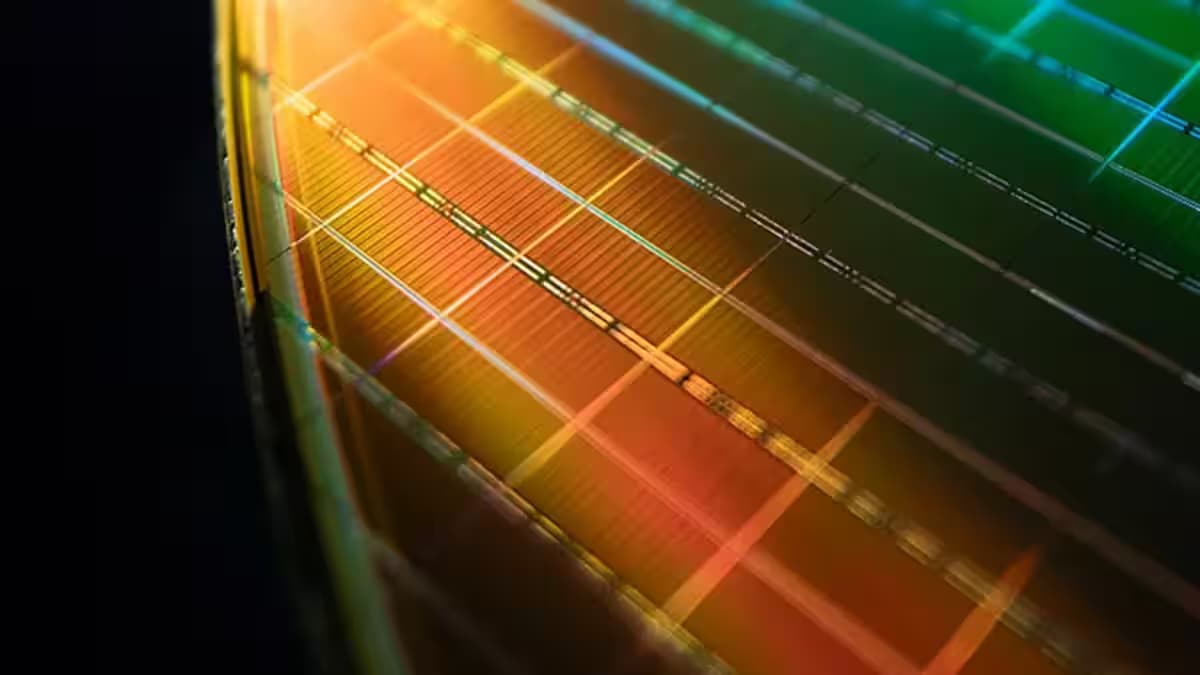
Image: ixbt.com
DDR2, a memory standard that first appeared in 2003, is suddenly getting more expensive again. According to TrendForce, DDR2 contract prices rose 55-60% in the second quarter of 2026, and another 35-40% increase is expected in the third quarter as the supply of older DRAM keeps tightening.
The reason is bluntly familiar: makers are chasing better margins. Samsung, SK hynix, and Micron are shifting production toward AI-friendly parts such as HBM and server memory, which leaves less room for legacy chips like DDR2. That push has already strained DDR4, then nudged some buyers back toward DDR3, and now even DDR2 is being pulled into the squeeze.
Who is still buying DDR2
DDR2 is long obsolete for mainstream PCs, but that has never meant “dead.” Industrial automation, networking gear, automotive electronics, embedded systems, and specialized controllers still depend on it, and swapping in a newer memory standard often means redesigning hardware, re-running certification, and spending real money. For those customers, old chips are less nostalgic than unavoidable.
That helps explain why supply matters so much here. When a component survives in niche equipment for decades, even small shifts in wafer allocation can produce ugly price spikes. The market is now rewarding the few vendors still willing to keep legacy lines alive, and punishing everyone else for moving on.
Winbond and ESMT are taking opposite bets
Today, Winbond and ESMT are the main DDR2 suppliers. Winbond is gradually reducing DDR2 output while moving toward DDR3, DDR4, and LPDDR4, a sensible strategy if you assume the future belongs to higher-value parts. ESMT is doing the opposite, increasing DDR2 production to capture the gap left by retreating rivals.

Recommended reading
Signal tests Android phones as linked devices
The catch is timing. Analysts say new capacity is not arriving fast enough, so supply is falling faster than manufacturers can replace it. That is usually how “legacy” suddenly becomes “scarce,” and it rarely ends with cheaper chips.
DDR2 price pressure is likely to continue
For buyers still locked into DDR2-based hardware, the next quarter looks unpleasant. Unless production expands more quickly than expected, the standard is heading toward another round of increases, not relief. In a market obsessed with AI hardware, the unloved memory parts are becoming collateral damage.

Computing Editor
Tomas lives in the terminal. He covers chips, laptops, and operating systems with a focus on performance and efficiency. He reads kernel changelogs the way other people read fiction, and he's always on the hunt for the perfect mechanical keyboard switch. If it processes data, Tomas has an opinion on it.
via ixbt.com