• 2 min read
Element slips to 8 kopecks after $2B chip push
Russia’s Element posted a 2.3 billion ruble net loss in 2025 despite investing more than $2 billion in six years. Its shares have fallen to 8 kopecks.
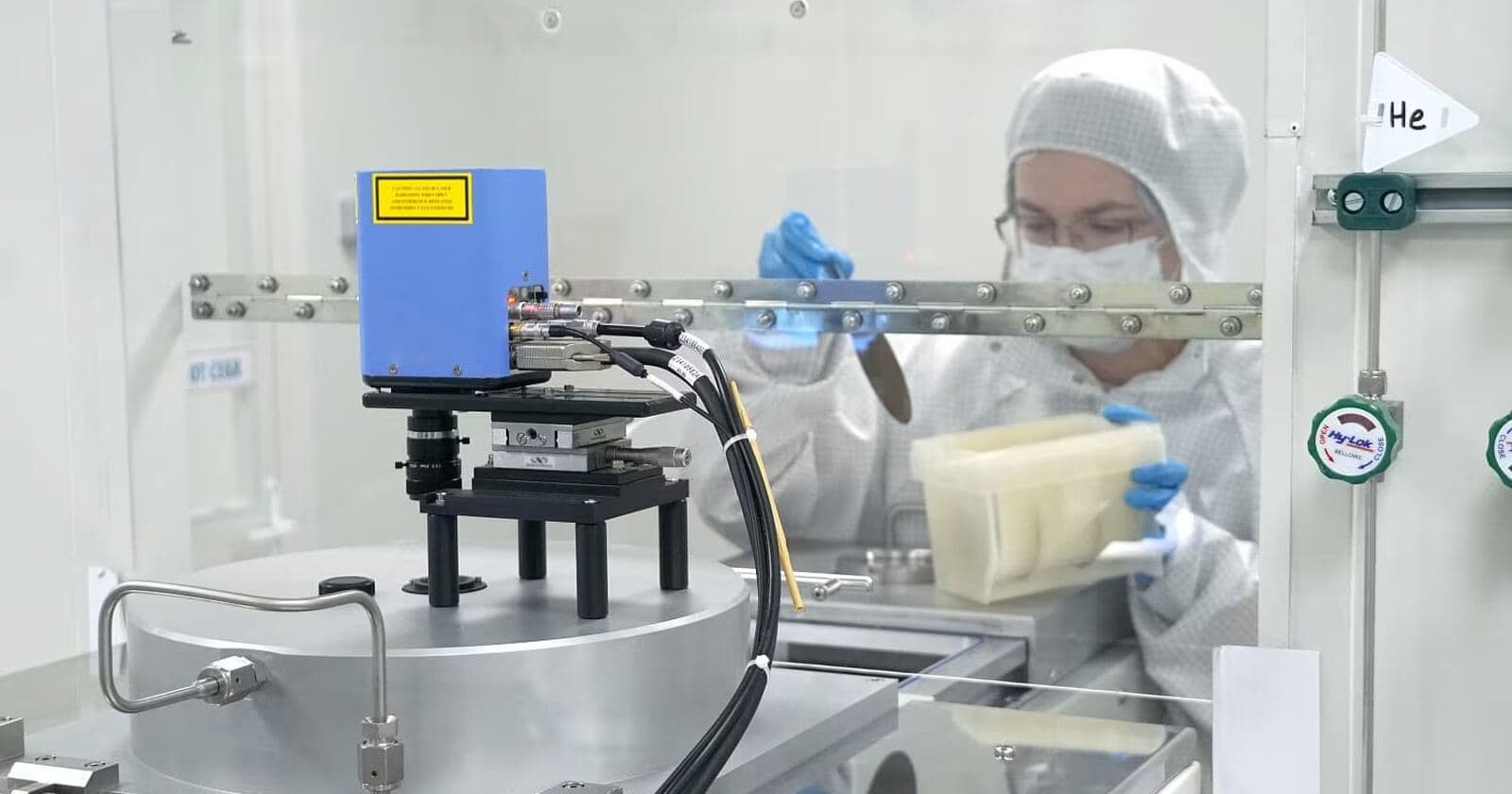
Image: ITzine
Russia’s Element holding, often described as the country’s largest player in domestic microelectronics, invested more than $2 billion into assets over six years but still ended 2025 in the red. According to CNews, the company, with roughly 51% of the Russian microelectronics market, reported a net loss of 2.3 billion rubles, while its shares fell to 8 kopecks each. That has already fueled market talk of a possible delisting.
Since 2019, the group’s total investment has exceeded 155 billion rubles. Its biggest project is Kubik, where 22 billion rubles went into mass production of power electronics. Another 7.6 billion rubles was directed to Fab200, focused on 180/90 nm production on 200 mm wafers. Element also spent 3.9 billion rubles to rebuild JSC ZPP facilities for metal-ceramic package production, and 1.7 billion rubles on the Electro project for power modules and units.
Spending did not slow in recent years:
Recommended reading
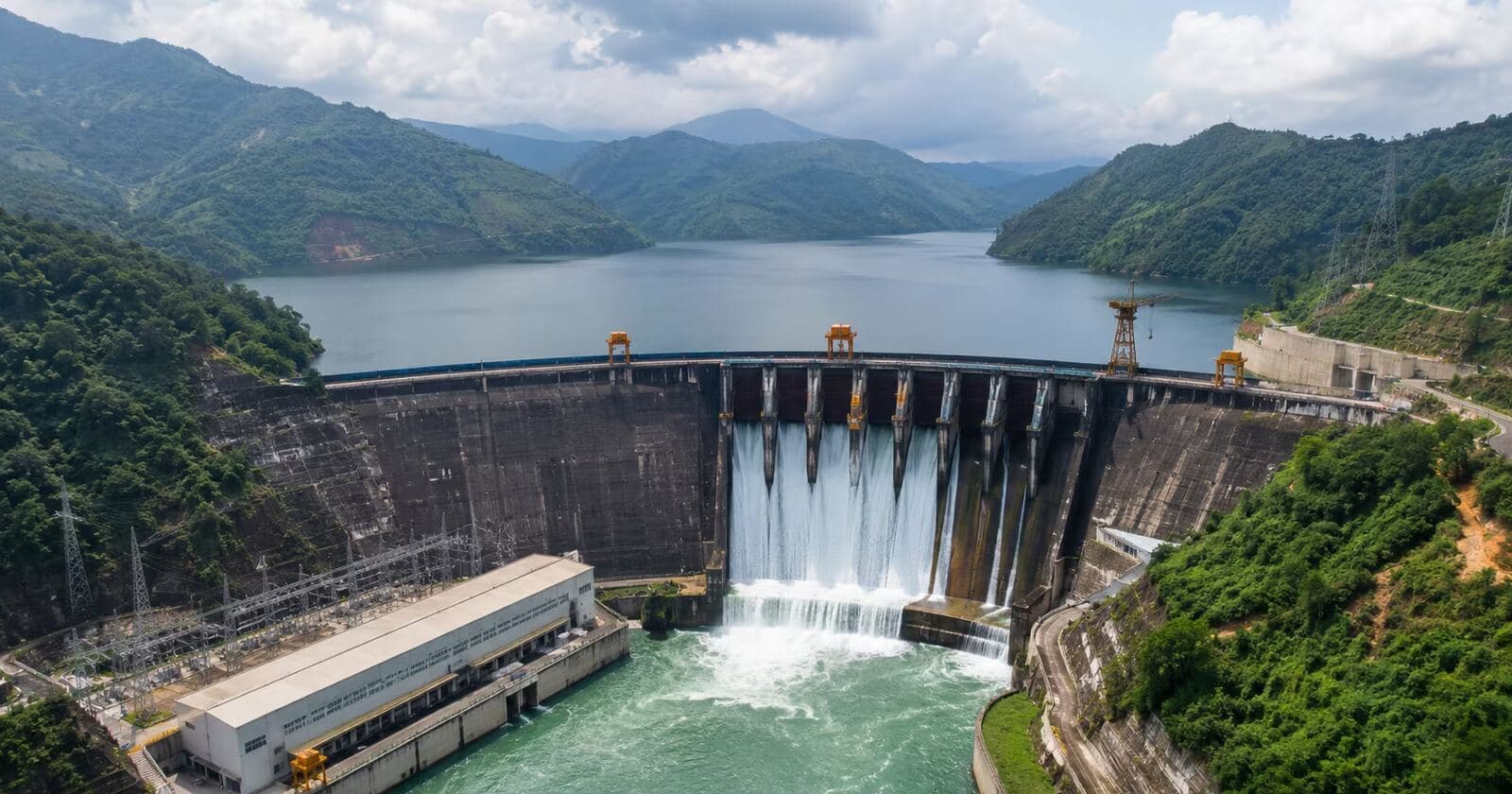
Vietnam taps RusHydro to upgrade Soviet-era dams
- 17.8 billion rubles in 2023
- 22 billion rubles in 2024
- 20.3 billion rubles in 2025
Of the 2025 total, 11.4 billion rubles went to technology development.
Revenue moved the other way. Element’s 2025 revenue was 38.6 billion rubles, down 12% year over year, which the report attributes to weaker demand for electronic components. The company also will not pay dividends for 2025.
How far $2 billion goes in chips
For the Russian market, those investments are unusually large. Globally, they are modest. Roman Tinyaev, a partner at Strategy Partners, estimates global chipmakers' capital expenditures at $185 billion to $200 billion in 2025–2026.
That gap is clear in individual projects. TSMC’s factory buildout program in Arizona is valued at about $65 billion, while Samsung previously announced investments of around $17 billion in a plant in Texas. Against that backdrop, experts cited by CNews say $2 billion is enough to launch specific production lines, power electronics, packaging, and mature process nodes, but not a full-cycle fab on leading-edge technologies.
Fab200 fits that model exactly. Its 180/90 nm process is aimed at industrial, automotive, energy, and specialized electronics, where those nodes are still widely used.
Shareholder changes in 2026
The ownership structure is shifting too. At the start of 2026, Sberbank bought a 41.9% stake in Element for 27 billion rubles, while AFK Sistema exited the company. Another 41.66% remains with Rostec.
That is more than a paper reshuffle. A new shareholder mix often changes both investment priorities and tolerance for long payback periods. For Element, the immediate issue is no longer how much it has spent, but when those investments begin generating stable revenue. If demand for components does not recover in 2026, pressure on the stock — and delisting talk — is unlikely to fade.

Enterprise Editor
Marcus follows the money. He covers enterprise software, cloud architecture, and the tectonic shifts in Big Tech strategy. He translates dense earnings calls and complex M&A activity into actionable insights about where the industry is actually heading. If a tech giant makes a silent pivot, Marcus is usually the first to notice.
via ITzine