• 2 min read
FaceTime bank scams are fooling iPhone users
Scammers posing as bank staff are using FaceTime to get iPhone users to share screens and expose passwords and account details.
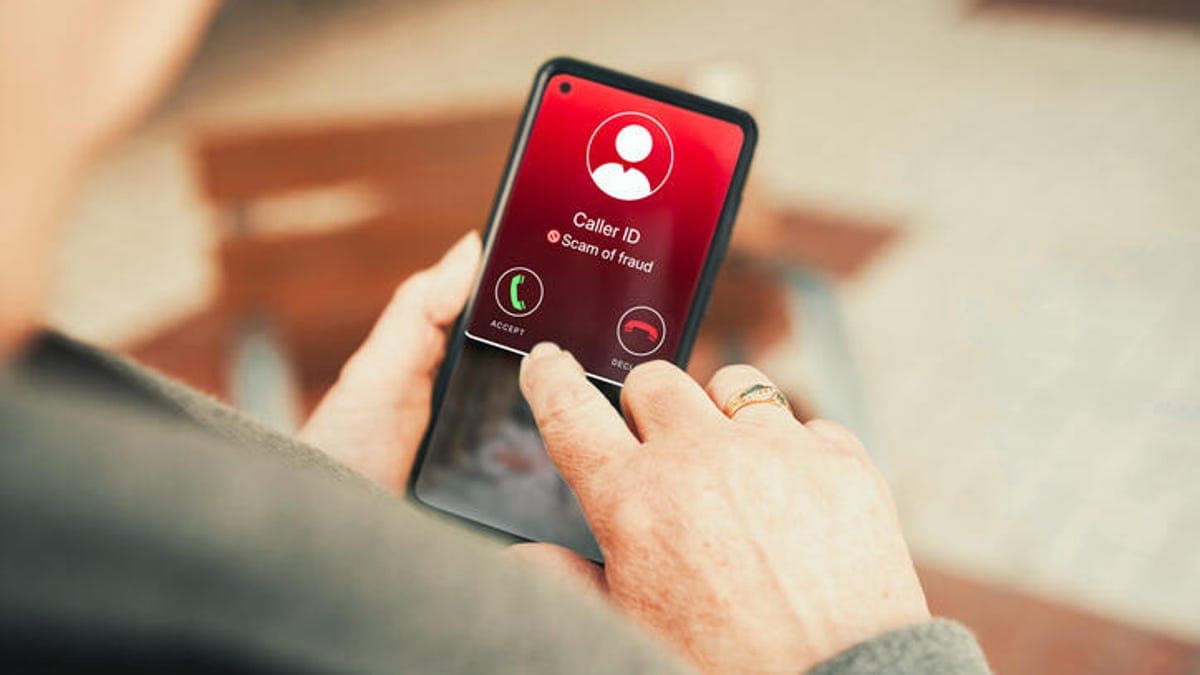
Image: CNET
Scammers are now using FaceTime to pose as bank representatives and trick people into handing over sensitive financial information. According to a recent CBS report cited by CNET, the scam typically starts with a phone call or text claiming there is an urgent problem with your bank account or credit card.
Justin Brookman, director of technology policy at Consumer Reports, told CNET that these attacks work by manufacturing panic.
“They create a false sense of urgency to get you to take immediate steps or else something catastrophic will happen.”
Victims are told to call a number in the message. From there, the scammer may ask for more “verification” and push the target to join a FaceTime video call. That video call can then be used to pressure people into sharing their screen, exposing passwords, account numbers, and other private information. Reports of the scam have surfaced on Reddit, and CBS News correspondent Matt Gutman said on X that he fell for it.
John Breyault, vice president of public policy, telecom and fraud at the National Consumers League, told CNET that scammers only need a small response rate to make these campaigns profitable. He added that video calls can be especially convincing because some fraud operations use elaborate setups to make callers appear legitimate.
Recommended reading
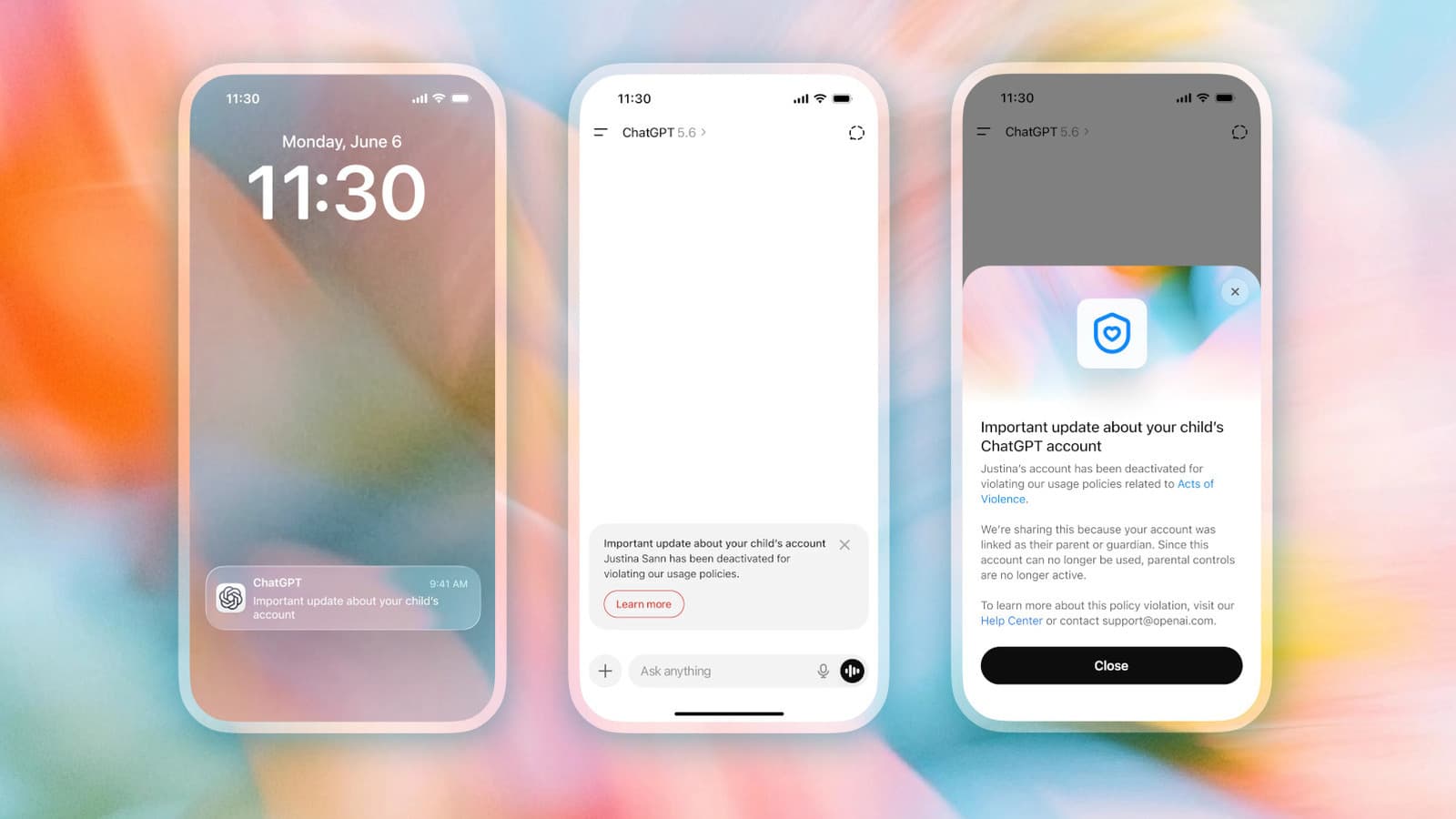
OpenAI will alert parents to teen ChatGPT violence bans
Brookman also warned that modern tools make personalized fraud easier to scale, while Breyault said consumers should assume something is wrong if a bank asks to contact them over FaceTime.
FaceTime scam red flags and what to do
CNET highlights a few basic rules:
- A bank will never ask to FaceTime you to verify your password or secure information.
- Do not click links or call phone numbers included in suspicious texts.
- If you get an urgent banking alert, call the number on the back of your credit or debit card instead.
- You can also look up the institution’s official support number or portal yourself.
If you already shared information, Breyault says to contact your bank immediately. Fast reporting may help stop additional fraud, and in some cases consumers may recover funds.
iPhone users can also reduce risk by using Apple’s built-in protections. Breyault noted that users can silence FaceTime calls from people not in their contacts, sending those calls straight to call history instead of ringing. Suspicious FaceTime calls can also be reported as spam by pressing and holding the caller’s info tile in FaceTime history.
CNET also points to Apple’s broader advice: keep iOS up to date, use two-factor authentication, never share passwords or security codes, avoid unknown links and attachments, and contact Apple only through official support channels. Apple did not immediately respond to CNET’s request for comment.

Security Editor
Sophia unpacks the invisible wars happening on our networks. Covering cybersecurity, privacy legislation, and cryptography, she exposes how our data is weaponized and defended. Before joining for(geeks), she spent years as a penetration tester. She's the reason the rest of the team uses physical security keys.
via CNET