• 2 min read
Meta models cut beamline analysis to 15 minutes
Lawrence Berkeley Lab and DOE partners used Meta’s SAM 3 and DINOv3 to turn monthslong image analysis into a 15-minute pipeline.
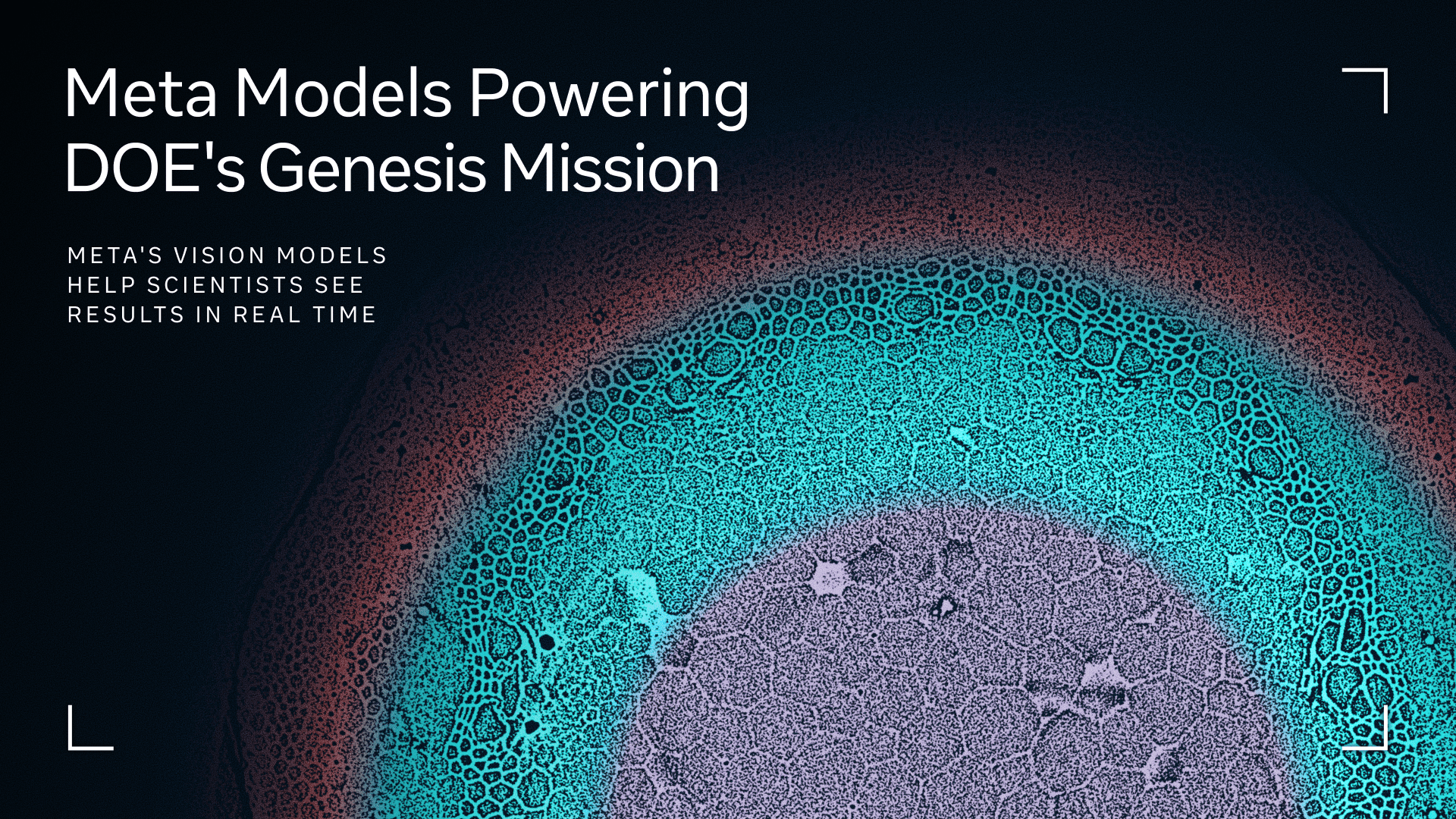
Image: Hacker News
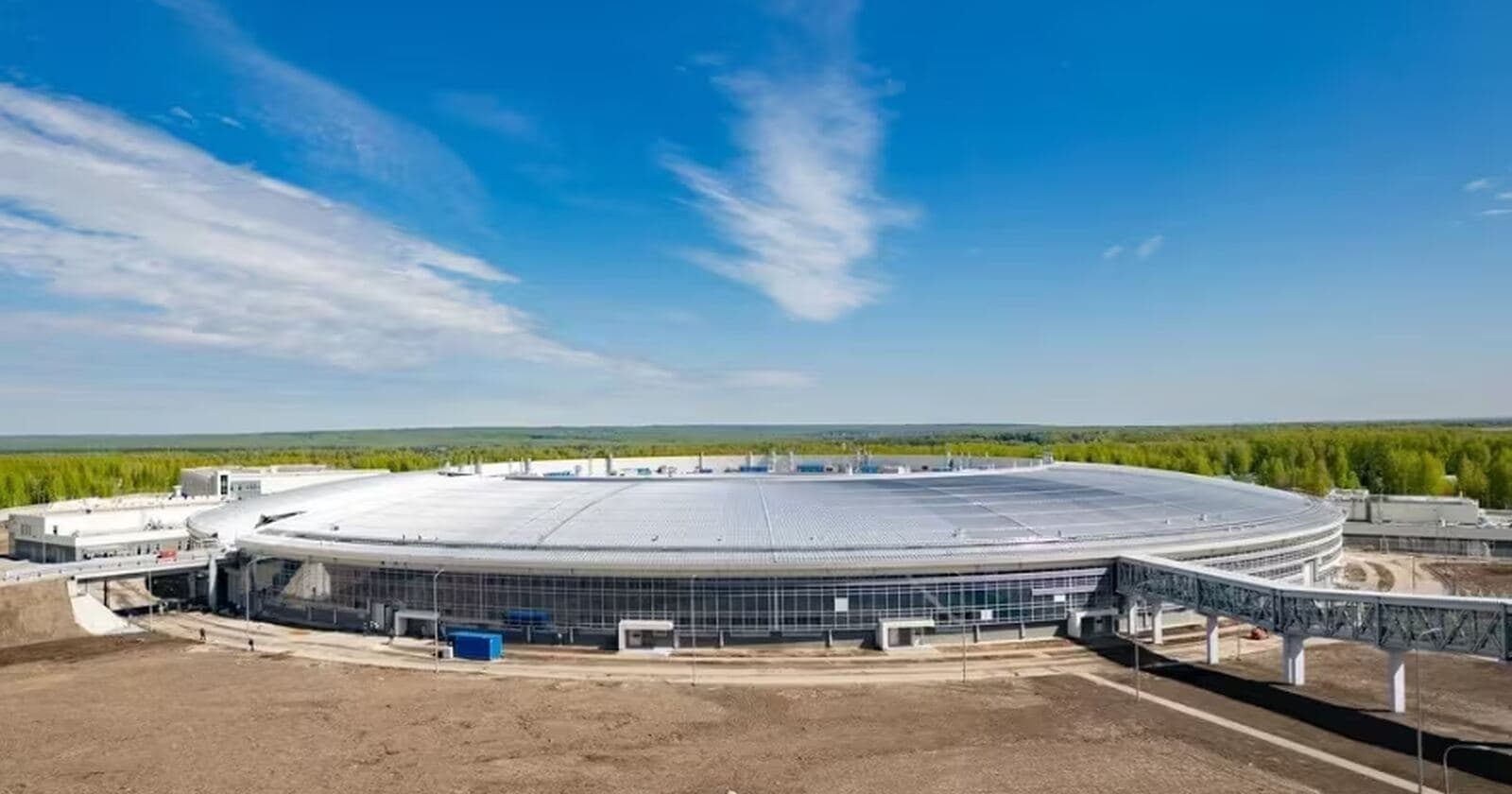
At Lawrence Berkeley National Laboratory, the data problem at modern beamlines has outgrown manual science. The lab’s Advanced Light Source (ALS) — a football field-sized X-ray facility — is part of a broader DOE system now producing tens of petabytes of data annually, driven by detector upgrades that have jumped from one image every six seconds to 100,000 images per second.
That surge has created a bottleneck in segmentation, the image-analysis step that identifies structures inside raw scientific scans. According to Meta, that is where the SYNAPS-I project — short for SYnergistic Neutron And Photon Science – Intelligence — is applying two of its open-source models: Segment Anything Model 3 (SAM 3) and DINOv3.
Launched under The Genesis Mission, a late 2025 White House initiative led by DOE, SYNAPS-I brings together Argonne, Brookhaven, Oak Ridge, and other labs to speed up analysis across X-ray and neutron science. The team fine-tuned SAM 3 and DINOv3 on scientific imaging data from DOE beamlines, then deployed them across 300 A100 GPUs at supercomputing facilities including NERSC.
The setup pairs DINOv3 for identifying structures and context with SAM 3 for pixel-level boundaries. Meta says the output is a fully reconstructed, semantically labeled 3D volume returned to the scientist at the instrument in about 15 minutes.

Recommended reading
German team speeds PFAS breakdown in water
One early demonstration focused on grapevines under drought stress. Using micro-CT scans from the ALS, the system reconstructed 3D volumes of vine stems and automatically identified xylem vessels, the tubes that transport water through the plant. Meta says a task that previously took a month of expert annotation per time step now takes 15 minutes.
Why open source matters for national labs
Meta argues the open-source model approach is critical because national labs keep prepublication research data and models on government infrastructure, not external cloud platforms. That lets the SYNAPS-I team download, fine-tune, and run the models inside secure environments while adapting them from natural-image training to scientific workloads.
The project includes 60 researchers across five national labs. At the recent Trillion Parameter Consortium, DOE Under Secretary Dario Gil described the goal this way:
“By seamlessly combining AI, advanced computing, and experimental systems, SYNAPS-I analyzes data as it’s produced and guides experiments in real time, replacing slow manual steps with adaptive, automated decision-making.” “This compresses discovery time from days to moments and establishes a continuous, self-improving model of science that will be essential to realizing the full potential of the Genesis Mission.”

Frontier Editor
Dan is our resident futurist, covering electric mobility, space exploration, and the smart home. He's interested in atoms just as much as bits. Whether it's a new battery chemistry, a reusable rocket, or a protocol that finally makes IoT devices talk to each other, Dan breaks down the engineering that pushes humanity forward.
via Hacker News