• 2 min read
January 2026 sees global light vehicle sales dip despite gains outside China
Global sales of light vehicles in major markets started 2026 with a 3.0% decline in January, largely driven by softness in China, which usually makes up about 30% of worldwide demand. When China is excluded, sales actual
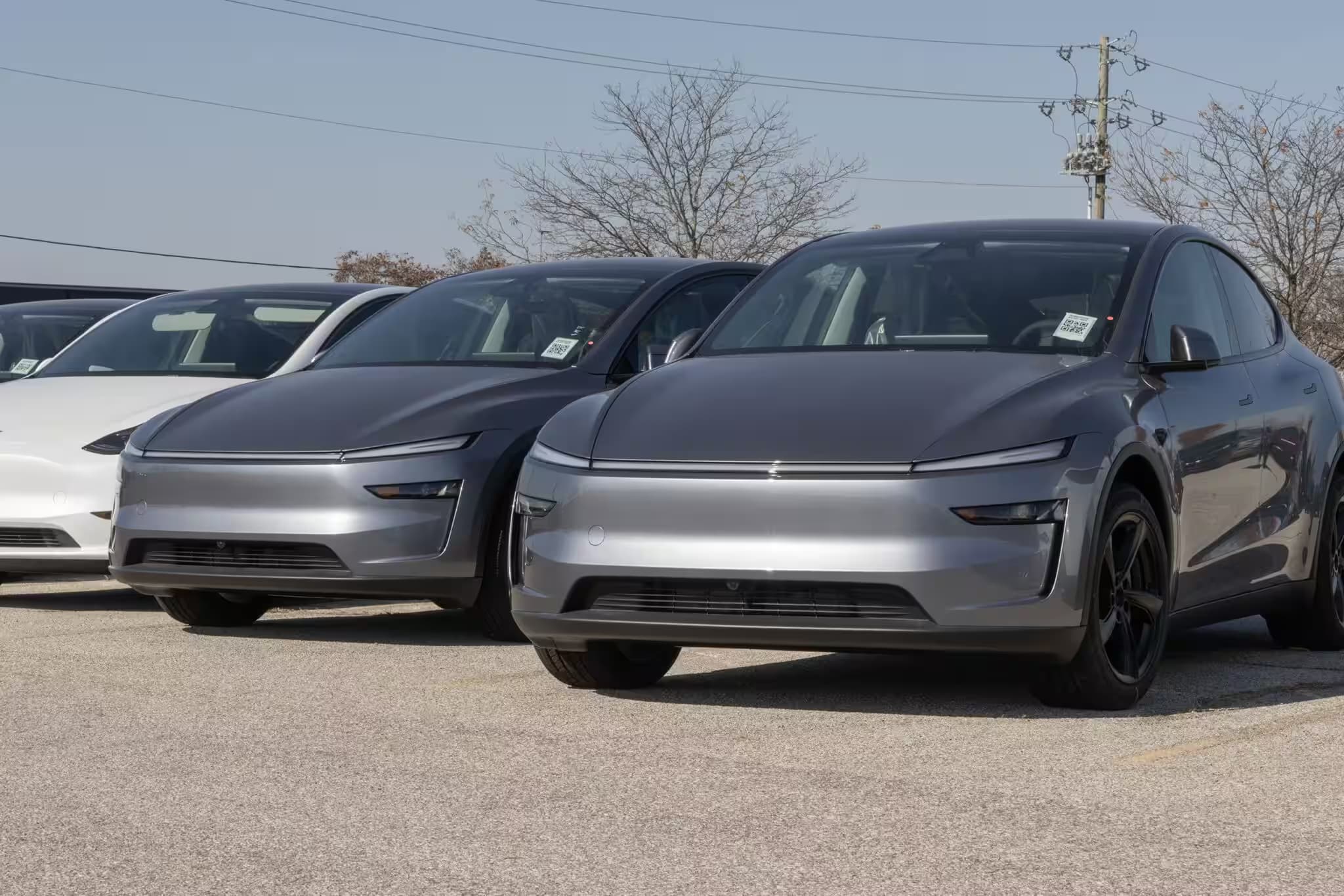
Image: automotiveworld.com
Global sales of light vehicles in major markets started 2026 with a 3.0% decline in January, largely driven by softness in China, which usually makes up about 30% of worldwide demand. When China is excluded, sales actually rose by 2.6%, supported by growth in 12 of the top 20 light vehicle markets, while seven experienced declines.
This contrast highlights China’s outsized influence on the global automotive market and suggests that the rest of the world is still showing resilience despite economic uncertainties. The figures reflect shifting dynamics as markets outside China continue to recover from pandemic disruptions and supply chain issues, even as China’s automotive demand slows.
China’s automotive market has been volatile recently, impacted by regulatory crackdowns, evolving consumer preferences, and broader economic adjustments. This has ramifications internationally since manufacturers heavily dependent on Chinese sales face pressure on their global totals.
Meanwhile, regions like North America and parts of Europe posted healthy gains, benefiting from stable demand and improved vehicle availability. The mixed performance underscores how global automotive recovery remains uneven, tied closely to regional economic health, policy environments, and consumer confidence.

Recommended reading
Hassabis says STEM makes you 10x better at AI
Looking ahead, the industry’s ability to navigate these divergent trends-China’s slowdown versus steady Western markets-will be crucial. The uneven sales landscape poses challenges for production planning, supply chains, and investment decisions for automakers across the globe.

AI Editor
Ava covers the rapidly evolving world of artificial intelligence, from foundational models and research labs to the real-world economics of intelligence. With a background in computational linguistics, she cuts through the hype to find out what actually works. She firmly believes that benchmarks are just marketing until reproduced in the wild.