• 3 min read
GTA VI and Sony Push Physical Games Closer to the Edge
Rockstar’s code-in-a-box GTA VI and Sony’s plan to stop new PlayStation discs in 2028 mark a sharp turn away from physical games.

Image: The Verge
Physical games were already fading. Then, within a week, Rockstar Games and Sony made two moves that made the decline look far more final.
On June 24th, Rockstar revealed pricing for Grand Theft Auto VI, ahead of its scheduled November 19th release on PS5 and Xbox Series X / S: $79.99 for the base edition and $99.99 for the Ultimate Edition. The bigger surprise was in the fine print. The “physical” version won’t include a disc — just a download code in the box.
That matters because GTA VI is likely the biggest game yet to take that approach. Selling boxed codes isn’t new, but a release of this scale could normalize it further. It also strips away some of the core benefits of physical media: lending a game to a friend, reselling it, or simply knowing access isn’t tied to a storefront or account.
Those risks are real. Digital storefronts can remove games over licensing issues or shut down entirely, and access can be lost if an account is suspended. The article points to 2023, when some PlayStation users were unexpectedly banned before Sony restored access.
Sony’s 2028 disc cutoff
Just days later, Sony said that starting in January 2028, it will not make physical discs for any new PlayStation games. The backlash was immediate, from players, retailers, and preservation advocates.
Recommended reading
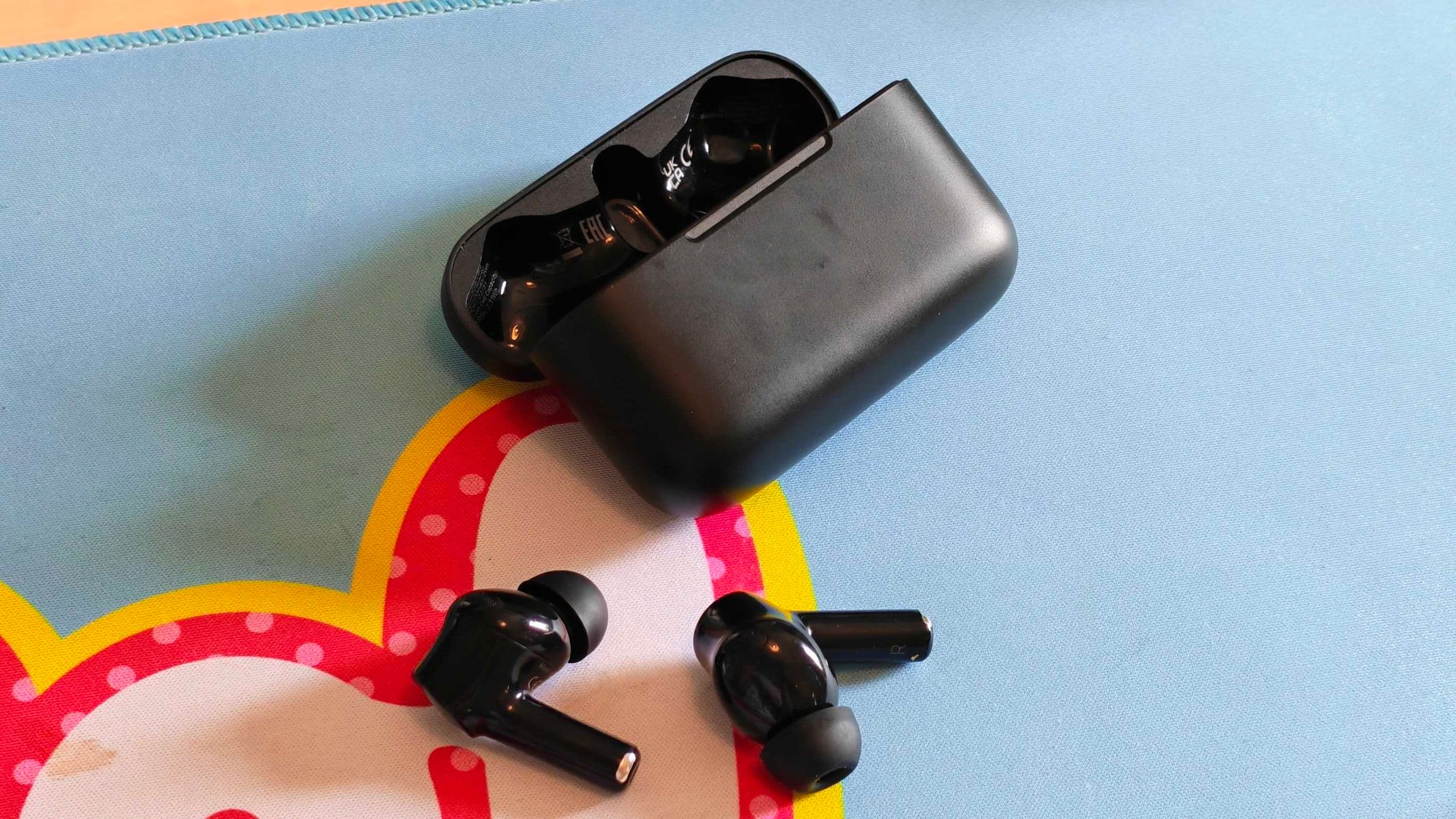
Razer’s Hammerhead V3 earbuds trail SteelSeries at $129.99
“This is unfortunate news for those who still prefer buying games on physical media, and is certainly a significant hit to consumer rights, the resale market, and game creators whose businesses rely on the physical market.”
Sony’s reasoning was straightforward: digital has already won with most players. In the fourth quarter of its 2025 fiscal year, the company said the “Full game software digital download ratio” on PS4 and PS5 reached 85 percent.
The broader market points the same way. Capcom said 93 percent of its game sales were digital in its last fiscal year, and it expects that figure to rise to 95.4 percent this fiscal year. On PC, services like Steam have made digital standard for years, while titles like Roblox and Fortnite are digital-only.
What Nintendo and Xbox may do next
The next question is whether Microsoft and Nintendo follow. According to The Verge’s Tom Warren, Xbox will “likely soon” stop making physical discs for Xbox games, though the company is reportedly testing a way to digitize physical game collections for its next-generation console, Project Helix.
Nintendo looks less likely to move as fast. Its last fiscal year report said digital accounted for 54.6 percent of game sales, leaving physical as a much larger share of the business than it is for Sony. Still, Switch 2 introduces game-key cards: physical cartridges that can be borrowed or resold, but don’t contain the game data itself and instead unlock a download.
For preservationists, that raises a longer-term problem. Cifaldi said museums and archives have already been preparing for a future where “putting discs on a shelf isn’t going to be a long-term solution for preserving new games.” He also argued that the industry needs legal ways to preserve digital content.
“The industry needs to meaningfully come to the table on this issue, because asking museums to download a copy of Grand Theft Auto VI and hope it’ll run in 50 years is not a preservation solution.”
Sony appears unlikely to change course. The company is already repurposing its last PlayStation disc-making factory. And the hardware signal is clear too: the PS5 Pro does not include a disc drive, and adding one costs $79. After a recent price increase pushed the console to $899.99, a PS5 Pro with a disc drive costs nearly $1,000.

Culture Editor
Maya explores gaming, streaming, and the internet as a place where people actually live. From deep-dives into creator economies to the anthropology of digital communities, she tracks platform drama and cultural shifts so you don't have to. She believes the best tech stories are fundamentally about human behavior.
via The Verge