• 3 min read
Honda will drop Prologue, leaving the US without a true EV
Honda says US sales of the Prologue will end after the 2026 model year, leaving the brand without a mainstream battery EV in America.
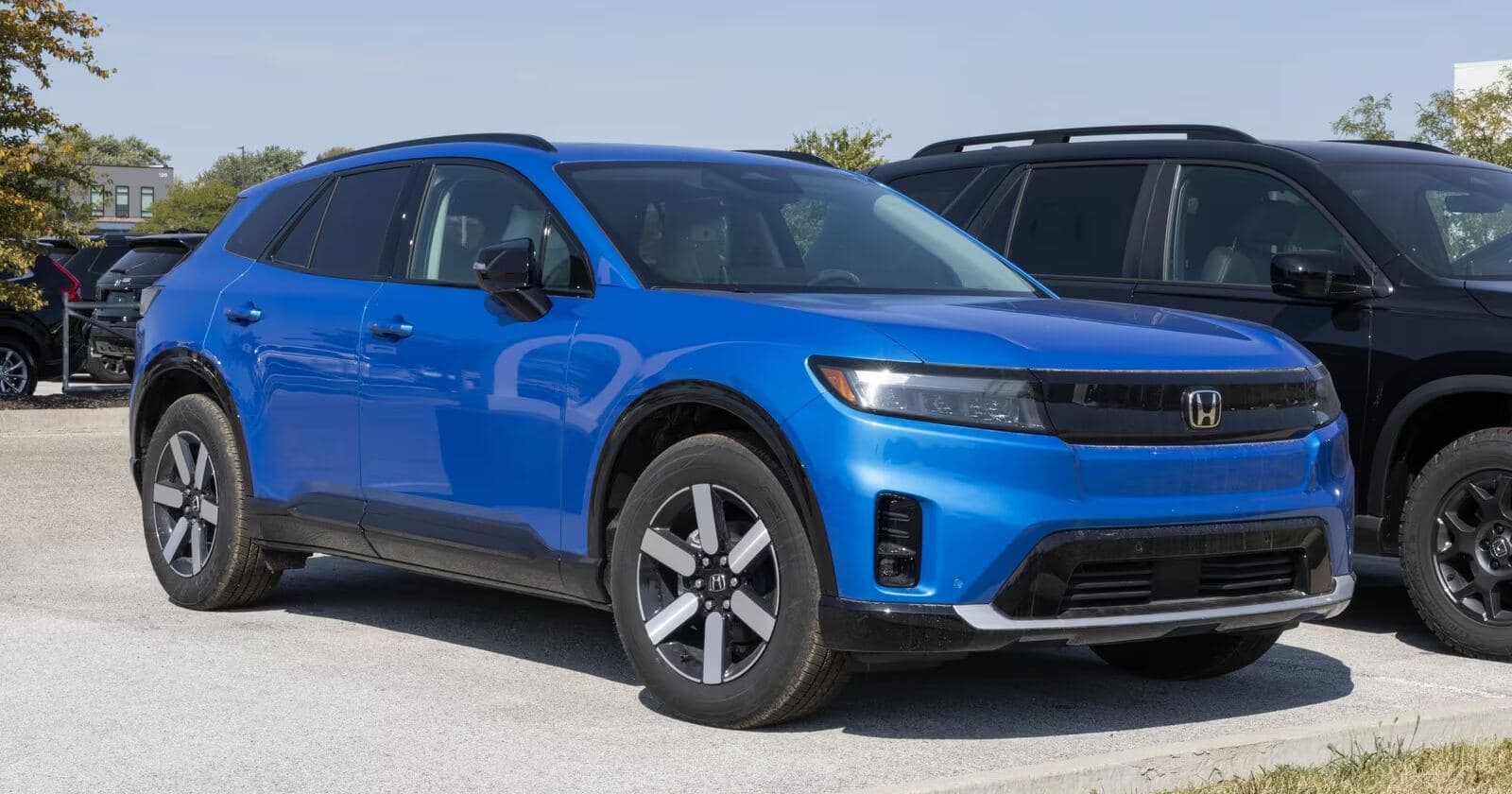
Image: ITzine
Honda has confirmed that US sales of the electric Prologue crossover will end after the 2026 model year. That is bigger than the loss of a single model: Prologue is currently Honda’s only full battery-electric vehicle in the US market.
After it exits, Honda will have little left in the US EV space aside from the hydrogen-powered CR-V e:FCEV, which is sold only in California. Honda disclosed the end of Prologue sales in a comment to CarBuzz. Existing owners will still get support through dealers, including service, parts, and warranty coverage.
The timing is striking. Honda first showed the Prologue in 2021, but the vehicle only reached the market in 2024. That gives it a notably short run, even by EV standards. Its exit also comes after federal incentives for some EVs in the US had already ended, while buyers increasingly shifted toward either lower-cost models or established bestsellers.
Recommended reading
Evolute i-Sky slips to fall 2026 launch
Still, the Prologue was not a flop. According to industry estimates, in its first full year on sale it trailed only the Tesla Model Y and Model 3, yet still ranked among the six best-selling EVs in the US. For a late-arriving crossover built without Honda’s own EV platform, that is a respectable showing.
Why Honda is ending the Prologue in the US
From the start, the Prologue was both a practical move and a stopgap. Honda developed it with General Motors, using GM’s Ultium platform to get a large electric crossover into the US quickly while its own architecture was still in development.
That approach was never likely to last. GM later revised its battery strategy and effectively moved away from Ultium as a universal base for future vehicles. That left Honda without the foundation Prologue depended on in its current form. The company has since shifted toward its own platform and has become noticeably more cautious in discussing new EVs for North America.
The warning signs were already there this spring, when Honda canceled three electric models, including a sedan and an SUV from the O Series family. This latest decision answers a more immediate question: whether Honda would keep a battery EV on sale in the US in the near term.
What remains in Honda’s US lineup
The broader market context makes the move more conspicuous. According to Cox Automotive, the US EV market topped 1.3 million vehicles sold in 2024 and accounted for about 8% of the new-car market. Honda is not retreating from a fringe category. Meanwhile, Ford, Hyundai, Kia, and General Motors are keeping EVs in their lineups and continuing to update them, even as demand has grown more slowly than expected.
Honda will still technically sell a zero-emissions vehicle in the US after Prologue, but only the CR-V e:FCEV — a hydrogen model with limited reach and a California-only footprint. For mainstream buyers, that is no substitute for a battery EV, leaving Honda’s US range centered again on hybrids and gasoline models.
The US EV market itself is not reversing. Sales growth has slowed in recent quarters, but it has not collapsed. In some states, high gasoline prices continue to support demand, and California is already offering additional instant discounts on new and used EVs. The unanswered question is no longer whether the segment can do without Honda, but when Honda will return with a new platform and without leaning on GM.

Frontier Editor
Dan is our resident futurist, covering electric mobility, space exploration, and the smart home. He's interested in atoms just as much as bits. Whether it's a new battery chemistry, a reusable rocket, or a protocol that finally makes IoT devices talk to each other, Dan breaks down the engineering that pushes humanity forward.
via ITzine