• 2 min read
Japan Weighs an $8B Power Chip Merger
Mitsubishi Electric, Toshiba, and Rohm are discussing a power semiconductor tie-up that could create an $8 billion player with 11% market share.
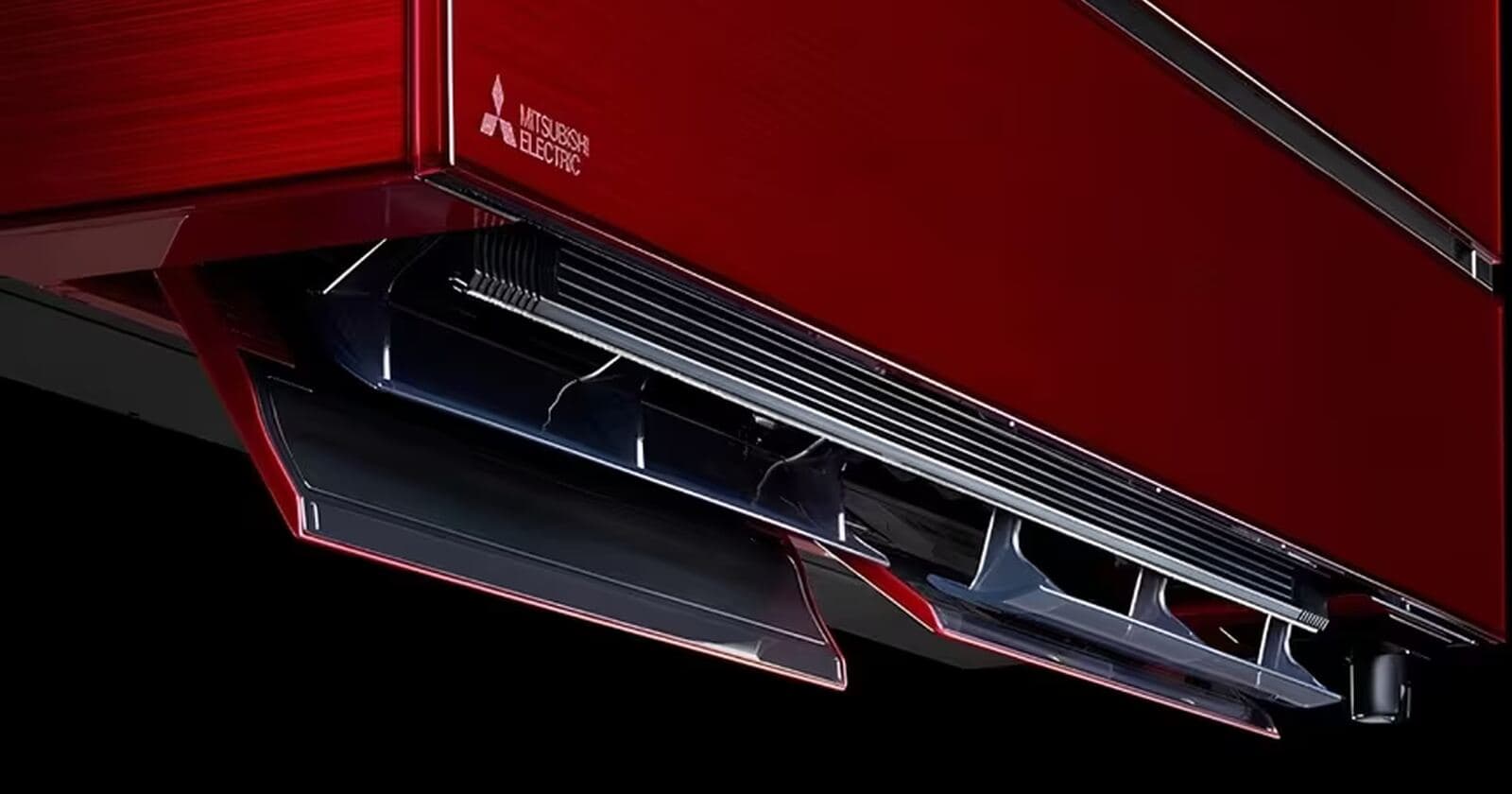
Image: ITzine
Three Japanese power semiconductor makers — Mitsubishi Electric, Toshiba, and Rohm — are discussing a business combination that could create a new market heavyweight with roughly 11% share and more than $8 billion in annual revenue. That would still leave Germany’s Infineon well ahead at about 24%, according to analysts, but it would give Japan a much bigger presence in a market tied directly to EVs, charging systems, industrial equipment, and power grids.
The companies have already signed a memorandum of understanding and started examining how their businesses and management structures could be aligned. Each brings a different strength: Rohm has built up its own SiC wafer production and is prominent in SiC MOSFETs; Mitsubishi Electric is strong in high-power IGBT modules; and Toshiba supplies a broad lineup of silicon IGBTs and MOSFETs. Combined, they could cover everything from automotive inverters to industrial power systems.
Demand is rising alongside the electrification of transport. In EVs, power electronics directly affects charging speed, driving range, and system efficiency, increasing pressure on suppliers that can work across both silicon and silicon carbide. Analysts expect the global power semiconductor market to approach $62 billion by 2028, making this less a local Japanese reshuffle than an attempt to break into the industry’s top tier of major European and Asian suppliers.
A major incentive is R&D spending. A combined research budget could exceed $2 billion a year and help speed the move to 8-inch SiC wafers, which are typically associated with lower production costs. That shift remains expensive and technically difficult across the industry.

Recommended reading
Skyworth TV buyer finds 8GB, not 32GB
Deal structures and obstacles
The talks are unfolding against a complicated backdrop. In February, Denso, a Toyota partner, offered Rohm about ¥1.3 trillion to strengthen its EV chip supply chain, but Rohm rejected the proposal. Since then, a broader alliance with Mitsubishi and Toshiba appears more realistic for Rohm than a sale to a single automotive supplier.
There are other complications. Toshiba is controlled by investment groups Japan Industrial Partners and TBJ Holdings, while both Toshiba and Mitsubishi are also pursuing their own 300-millimeter wafer projects. If those efforts are already paying off, the upside from a merger could be smaller than supporters expect.
Several structures are reportedly under discussion, including a single holding company and a more complex arrangement involving part of Toshiba’s business plus a separate joint venture with Mitsubishi. No final agreement has been reached, and the shape of any deal will determine whether this becomes a true new force in power chips or another attempted asset roll-up.

Enterprise Editor
Marcus follows the money. He covers enterprise software, cloud architecture, and the tectonic shifts in Big Tech strategy. He translates dense earnings calls and complex M&A activity into actionable insights about where the industry is actually heading. If a tech giant makes a silent pivot, Marcus is usually the first to notice.
via ITzine