• 2 min read
Japan’s chip trio weighs a new power semiconductor giant
Mitsubishi Electric, Toshiba, and Rohm are discussing a merger that could create the world’s No. 2 power chip supplier with roughly 11% market share.
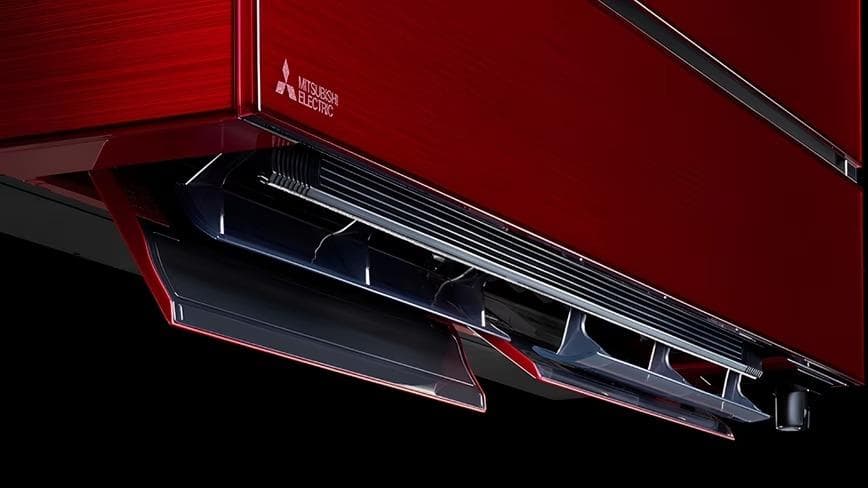
Image: iXBT
Mitsubishi Electric, Rohm, and Toshiba are in talks to combine their power semiconductor operations in a deal that could create the world’s second-largest supplier in the sector after Germany’s Infineon. The three Japanese companies have signed a memorandum of understanding to study an “integration of business and management.”
Analysts estimate the combined company could control about 11% of the global power semiconductor market and generate more than $8 billion in annual revenue. By comparison, Infineon is estimated to hold roughly 24%. Power chips are used to control electricity flow in electric vehicles, chargers, industrial equipment, and energy infrastructure.
The companies bring complementary strengths. Rohm makes its own silicon carbide (SiC) wafers and is seen as a leader in SiC MOSFETs. Mitsubishi Electric is strong in high-power IGBT modules, while Toshiba produces a broad range of silicon IGBTs and MOSFETs. Together, they could supply multiple segments, from automotive inverters to industrial systems and power grids.

Recommended reading
Skyworth TV buyer finds 8GB, not 32GB
A major driver behind the talks is rising demand for power semiconductors as transport shifts to electric drivetrains. Silicon carbide is especially important because it can help EVs charge faster and extend range without increasing battery capacity.
Forecasts put the global power semiconductor market near $62 billion by 2028. A joint R&D budget for the three companies could exceed $2 billion a year and support a move to 8-inch SiC wafer production, which would lower manufacturing costs.
Deal structure and obstacles
The tie-up still faces significant hurdles. In February, Denso, a Toyota partner, reportedly offered about ¥1.3 trillion ($8.3 billion) for Rohm to strengthen its EV chip supply chain, but Rohm rejected the bid to preserve its ability to work with multiple automakers. After that failed approach, a combination with other manufacturers became the main path to expansion.
The companies are now discussing a more complicated structure than a simple holding company. One option is to integrate Toshiba’s unit while setting up a separate joint venture with Mitsubishi. The situation is further complicated by the fact that Toshiba’s business is controlled by investment groups Japan Industrial Partners and TBJ Holdings.
There is another practical issue: Mitsubishi and Toshiba are already developing their own 300-millimeter wafer projects, which could limit some of the cost savings a merger would otherwise promise. No final agreement has been signed.

Enterprise Editor
Marcus follows the money. He covers enterprise software, cloud architecture, and the tectonic shifts in Big Tech strategy. He translates dense earnings calls and complex M&A activity into actionable insights about where the industry is actually heading. If a tech giant makes a silent pivot, Marcus is usually the first to notice.
via iXBT