• 2 min read
Lada Azimut adds first-ever curtain airbags
AvtoVAZ says the Lada Azimut has passed mandatory crash tests, including a 56 km/h frontal impact and a 50 km/h side hit.
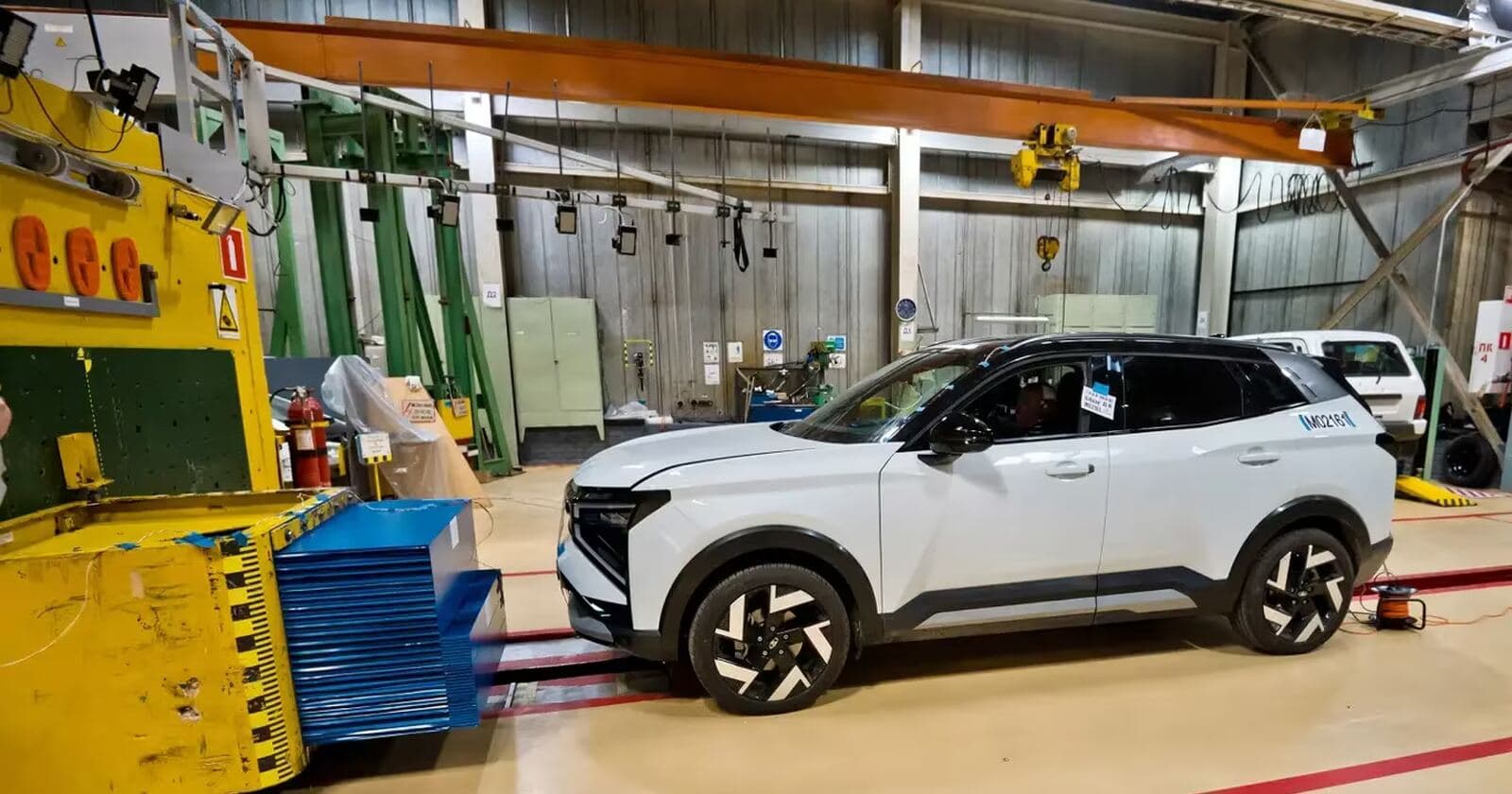
Image: ITzine
AvtoVAZ says its new Lada Azimut crossover has completed the mandatory certification crash tests required to reach the market. The car was put through two core scenarios: a frontal impact into a deformable barrier and a side impact. The bigger milestone, though, is that Azimut becomes the first production Lada to get inflatable curtain airbags.
The frontal test was carried out at 56 km/h under UN Regulation No. 94. According to the manufacturer, the front airbags deployed as intended and the loads recorded on the dummies stayed within acceptable limits. For certification, that is a standard but demanding test: the vehicle must preserve survival space in the cabin while its passive safety systems perform properly.
The side-impact test was conducted at 50 km/h under UN Regulation No. 95. Here, AvtoVAZ highlighted Azimut’s main safety upgrade over earlier Lada models: the side curtain airbag. The company says it reduced the load on the driver’s head, and that all measured values met regulatory requirements.
For a mass-market crossover, curtain airbags are increasingly expected, especially against Chinese competitors, where they are often standard or close to base-spec equipment. AvtoVAZ says these tests are only part of a broader program covering more than 100 checks, including a pole impact, a rear-end collision, and other scenarios aimed at evaluating both the body structure and restraint systems.
That matters because Azimut is entering one of the most crowded segments of the Russian car market, where buyers are no longer comparing only price and ground clearance.

Recommended reading
Electric mountain bikes won me over

Frontier Editor
Dan is our resident futurist, covering electric mobility, space exploration, and the smart home. He's interested in atoms just as much as bits. Whether it's a new battery chemistry, a reusable rocket, or a protocol that finally makes IoT devices talk to each other, Dan breaks down the engineering that pushes humanity forward.
via ITzine