• 2 min read
XPeng brings Yandex-ready EVs to Russia
XPeng plans to launch the G6 and G9 in Russia with built-in Yandex services and 800V charging that can go from 10% to 80% in about 12 minutes.
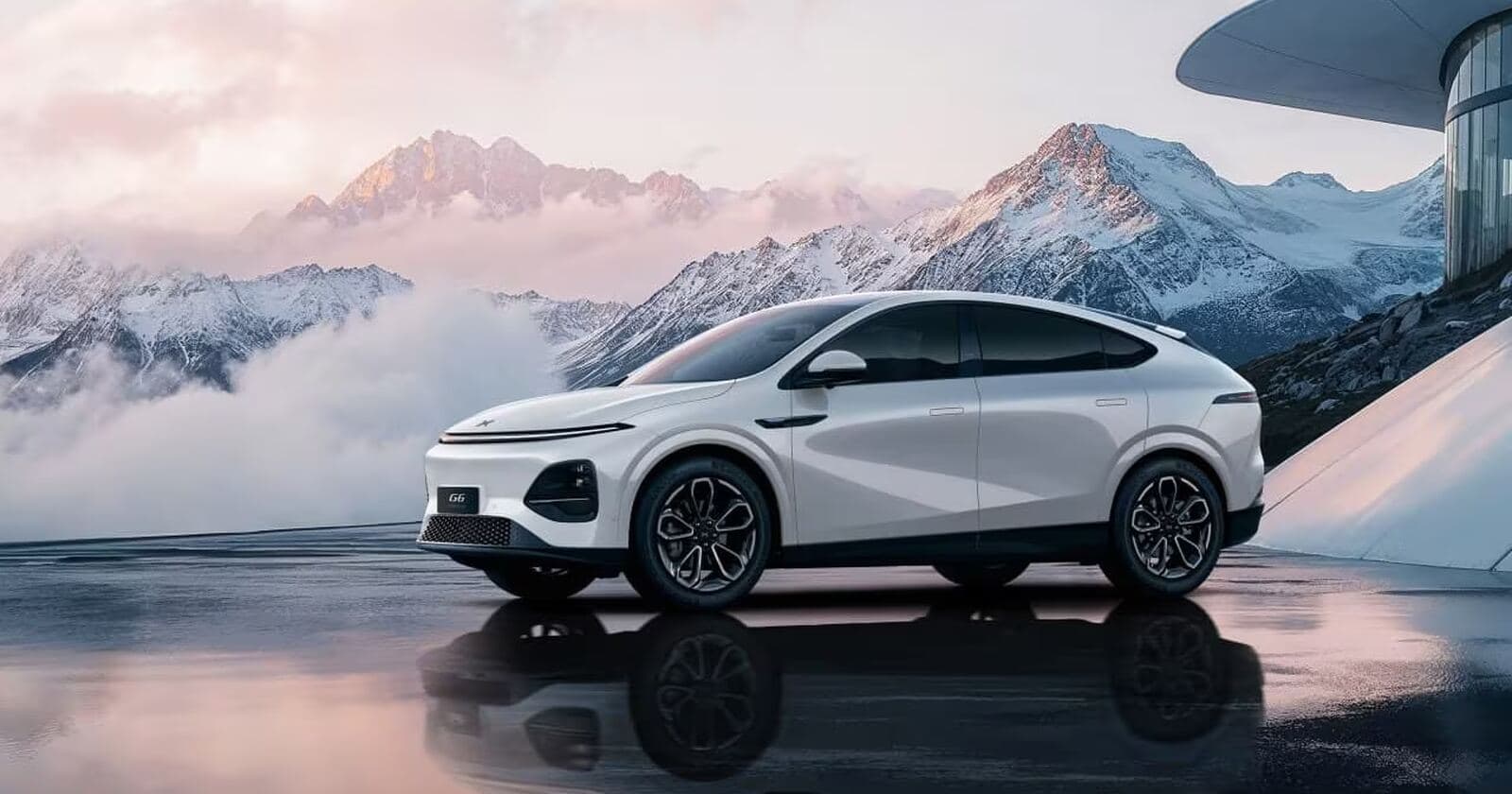
Image: ITzine
XPeng is preparing two electric models for Russia with a localized infotainment stack and fast charging built on an 800-volt architecture. The Chinese automaker plans to sell the G6 coupe-style crossover and the flagship G9, both with built-in Yandex services.
That means Maps, Navigator, Music, and Video will run directly on the car’s screen, without relying on a smartphone. In a market where many premium EVs arrive either without local digital services or with compromised adaptations, that stands out. The integration is being handled by Yandex Electro.
According to the report, vehicle type approval documents have already been processed for the G6 and G9, with the applicant listed as a structure linked to Umo, which develops EVs and hybrids. In Russia, you cannot sell a car in series without this approval, making the paperwork a key step between an announcement and showroom deliveries.
For buyers, the built-in services should make day-to-day use simpler: route planning, playlists, and media all live in one system. For an EV, that matters more than usual, since navigation can surface the nearest fast charger and the multimedia setup does not depend on extra phone connections. The difference is often obvious compared with cars brought in through gray imports with unprepared software.
The cars themselves are also aimed squarely at the premium end. The XPeng G6 delivers 487 hp and reaches 100 km/h in 4.1 seconds, while the larger G9 produces 575 hp and does the same in 4.2 seconds. Both models use an 800V platform that can charge the battery from 10% to 80% in about 12 minutes at a compatible station.

Recommended reading
Electric mountain bikes won me over
XPeng’s move fits the broader wave of Chinese brands expanding in Russia after Western automakers exited the market. The report cites Autostat data showing that in 2025, Russia’s new EV market was measured in the tens of thousands of cars, with Zeekr, Voyah, Avatr, and Xiaomi already established as notable players. In that context, local services may matter as much as range or acceleration figures.

Frontier Editor
Dan is our resident futurist, covering electric mobility, space exploration, and the smart home. He's interested in atoms just as much as bits. Whether it's a new battery chemistry, a reusable rocket, or a protocol that finally makes IoT devices talk to each other, Dan breaks down the engineering that pushes humanity forward.
via ITzine