• 2 min read
27 chargers open on M-11 between Moscow and St. Petersburg
RusHydro has launched two EV charging hubs on the M-11 Neva highway, with 27 chargers up to 210 kW for cars and electric buses.
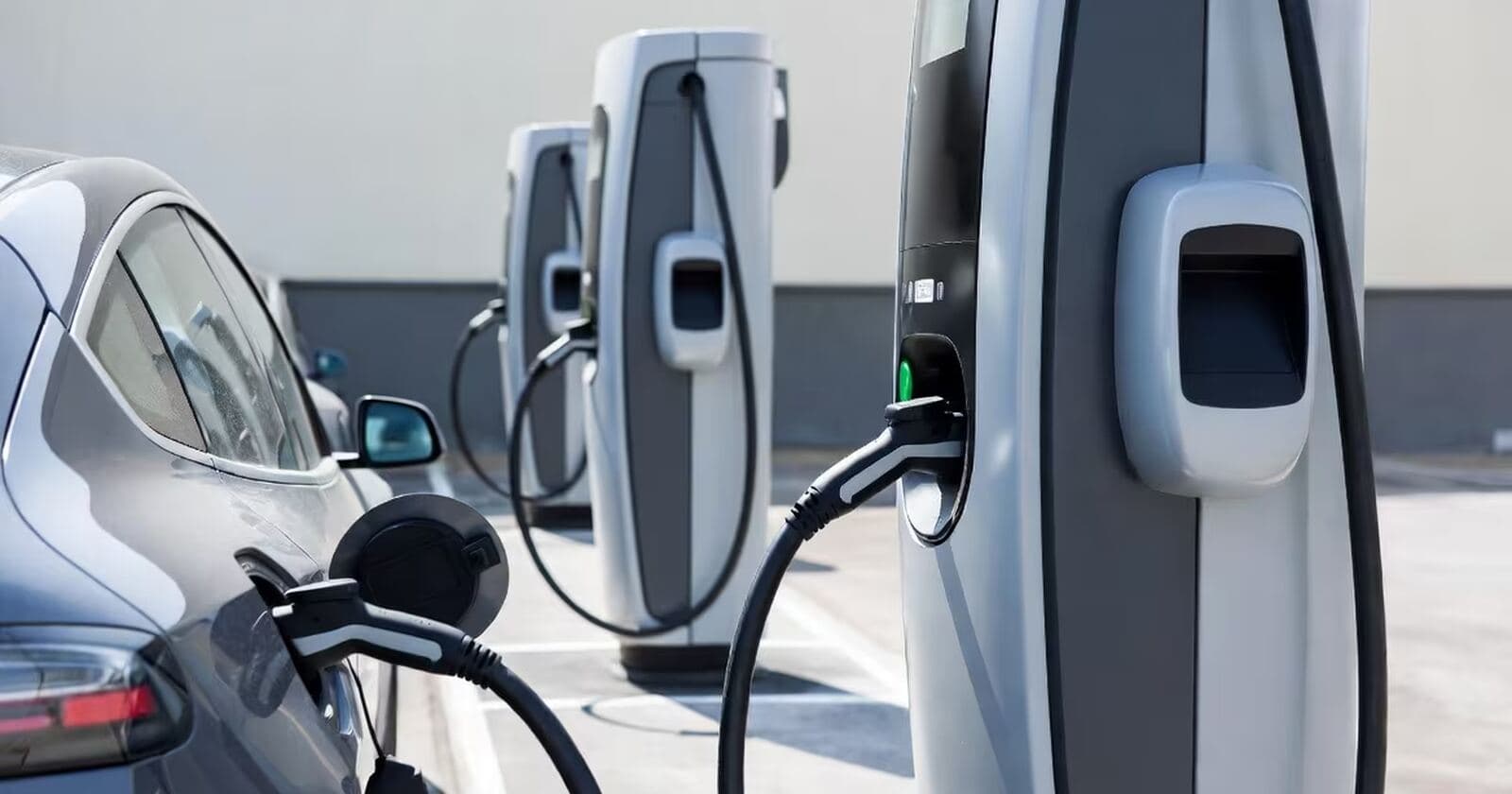
Image: ITzine
RusHydro has opened two large EV charging hubs on the M-11 Neva highway, adding one of the most significant fast-charging points on the route between Moscow and St. Petersburg.
One hub is located at the 63rd kilometer for traffic traveling from St. Petersburg to Moscow, while the second sits at the 75th kilometer in the opposite direction. Together, the two sites offer 27 charging stations: 13 at one location and 14 at the other.
The new hubs are designed for both passenger EVs and electric buses. For quick stops, they include chargers rated from 150 kW to 210 kW, while 22 kW points are available for longer stays. The most powerful unit delivers 210 kW, which should shorten charging times for newer EVs and make downtime more predictable for electric buses.
The setup includes:
Recommended reading
BMW puts ChatGPT to work selling real car builds
- 27 charging stations across both sides of the highway
- Fast charging from 150 kW to 210 kW
- 22 kW chargers for longer parking
- Backup power for the 22 kW stations if the grid goes down
That backup circuit for the 22 kW chargers is a notable detail. If external power is lost, those stations can keep operating, an important safeguard on a long-distance highway where failed charging can quickly disrupt a trip.
The launch reflects a broader buildout of charging infrastructure along major Russian roads as the EV fleet grows. The source cites Autostat, which says Russia’s electric car market has increased noticeably in recent years, making long-distance travel a key test for charging networks. On routes like M-11, speed, redundancy, and the number of available chargers matter as much as urban coverage.

Frontier Editor
Dan is our resident futurist, covering electric mobility, space exploration, and the smart home. He's interested in atoms just as much as bits. Whether it's a new battery chemistry, a reusable rocket, or a protocol that finally makes IoT devices talk to each other, Dan breaks down the engineering that pushes humanity forward.
via ITzine