• 3 min read
Meta’s AI Opt-Out Backlash Hit in Just 3 Days
Meta reversed an AI image-tagging feature after three days of backlash, reviving a wider fight over default-on AI tools and privacy settings.
Image: Wired
Meta’s latest AI misstep lasted three days. In early July, the company rolled out a feature in its AI app that let users tag public Instagram accounts and generate images using those people’s likenesses. The setting was turned on by default, forcing Instagram users to opt out if they did not want to be included.
The response was immediate. Multiple Instagram creators posted viral videos explaining how to disable the feature and criticizing Meta’s approach. Creator Sam Sooin Yang, in an Instagram video with more than 3 million views, put it bluntly:
“They should have given you the option to opt in rather than opt out. But I am really getting tired of these companies pushing this AI stuff on us when we don’t want to use it.”
After the outcry, Meta said the feature had “missed the mark” and rolled back Instagram tagging for its AI chatbot.
Recommended reading
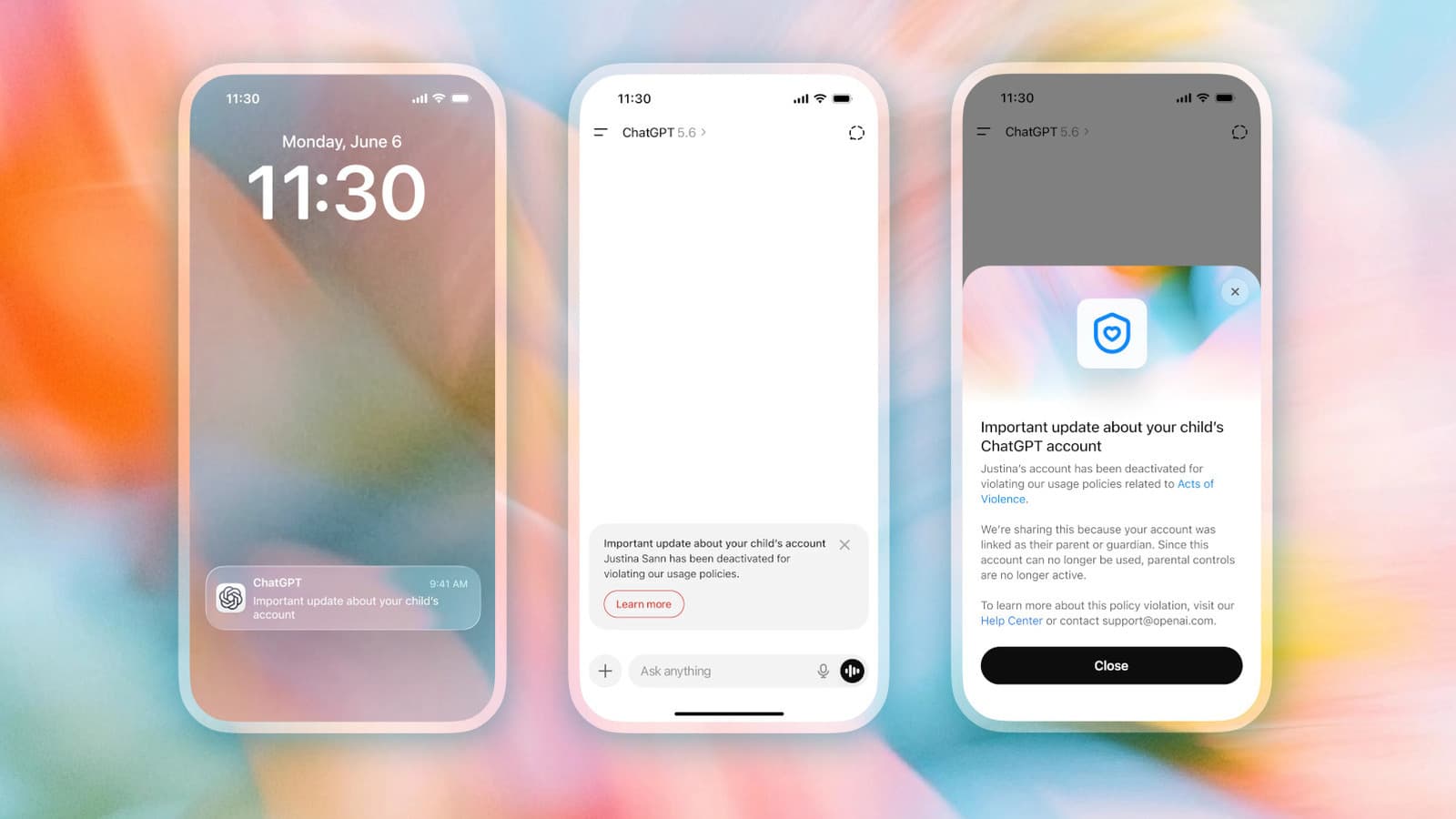
OpenAI will alert parents to teen ChatGPT violence bans
Thorin Klosowski, a senior security and privacy activist at the Electronic Frontier Foundation, told WIRED the speed of the reaction stood out.
“That was a clear and immediate pushback. Honestly, it was great to see how quickly that happened.”
The controversy also highlights a broader pattern: major tech companies keep shipping generative AI features as the default. WIRED points to examples such as the “Ask Gemini” bar appearing in Google Docs, alongside similar opt-out experiences on Dropbox and LinkedIn.
Why default settings matter
Privacy researchers say these choices are not neutral. Woodrow Hartzog, a professor at Boston University’s law school, told WIRED that users usually stick with whatever default a company selects.
“People tend to stick with whatever the default option is. So, if the default option is that you’re enrolled, you’re probably going to stay enrolled.”
Ben Winters, director of AI and privacy at the Consumer Federation of America, argued that Meta has long operated this way. He pointed to settings such as Facebook’s “Enhanced Browsing” feature, which tracks in-app visited websites on mobile. Meta spokesperson Daniel Roberts told WIRED that the company has built “a wide array of settings and controls” to help users manage privacy choices across its platforms.
Hartzog cited Article 25 of the General Data Protection Regulation (GDPR) as a stronger model, because it requires systems to collect only necessary data and to preselect the more privacy-protective option by default.
Federal regulation remains the bigger fight
Experts cited by WIRED say scattered state laws in places like California and Maryland are useful, but not enough. Winters said the scale of default-on privacy and AI settings is exactly the kind of problem that calls for federal government intervention.
He told WIRED that, despite past failures to pass national rules, public opinion is moving the US closer to federal regulation than it was a decade ago.
That matters beyond a single Instagram setting. As Hartzog noted, product design shapes what becomes normal. If companies automatically opt millions of people into deepfake tools, a world with more deepfakes becomes easier to build.

Security Editor
Sophia unpacks the invisible wars happening on our networks. Covering cybersecurity, privacy legislation, and cryptography, she exposes how our data is weaponized and defended. Before joining for(geeks), she spent years as a penetration tester. She's the reason the rest of the team uses physical security keys.
via Wired