• 2 min read
Mozilla says Windows 11 still nudges users to Edge
A Mozilla-backed report says Microsoft uses design tricks in Windows 11 and 10 to steer people toward Edge, with fewer issues in the EEA.

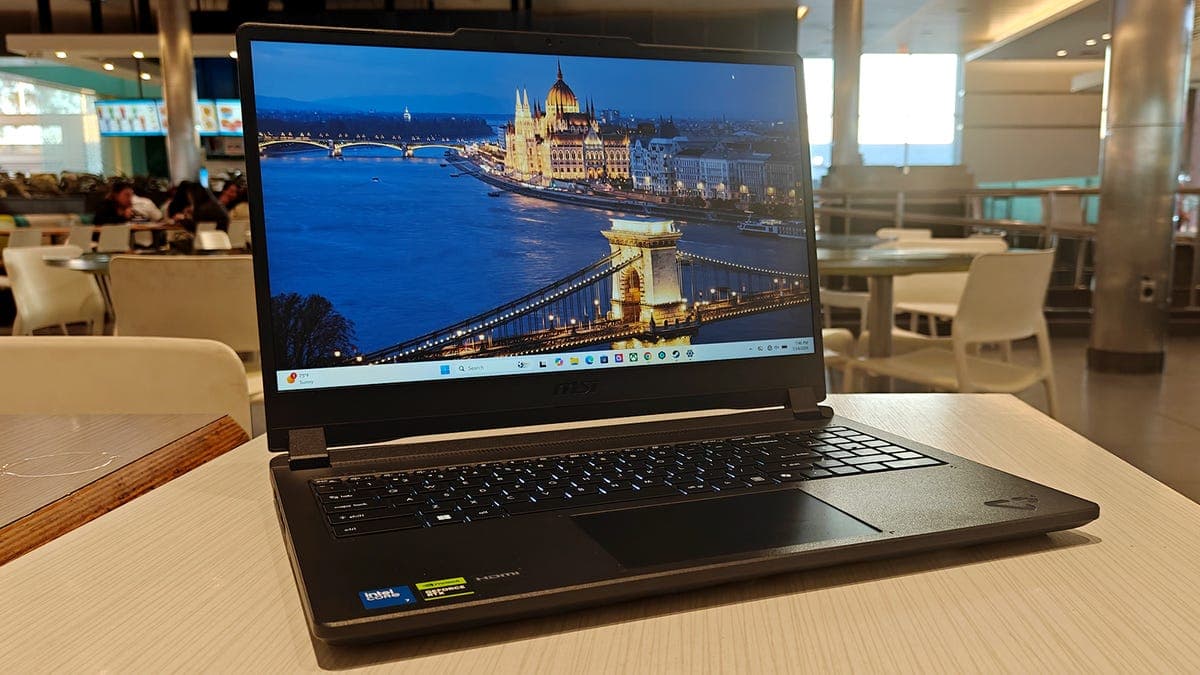
Image: TechRadar
Mozilla is again accusing Microsoft of stacking the deck in favor of Edge on Windows 11 and Windows 10. A new follow-up to its “Over the Edge” report says Microsoft continues to use what it calls “harmful design” to interfere with browser choice, from the moment users download a rival browser to setting it as default and trying to keep it that way.
The report was commissioned by Mozilla but written by independent researchers Harry Brignull and Cennydd Bowles, who also authored the first report two years ago. It draws on user views from the US, UK, India, and Germany and examines what it calls key browser-choice journeys on Windows.
Their conclusion is blunt:
“Microsoft continues to deploy harmful design to undermine people’s browser choice.”
According to the report, those tactics include:
- trick wording
- obstruction
- visual interference
- preselection
- nagging
- forced action
Examples cited include the banner shown to Edge users visiting the Chrome download page, where Microsoft argues Edge uses the same technology as Chrome but comes with the “added trust of Microsoft”. The report also points to Edge being pre-pinned to the taskbar, claims that moving from Windows 10 to Windows 11 can reset Edge as the default browser, and says Copilot opens links in Edge instead of the user’s chosen default browser.

Recommended reading
Samsung 990 SSD hits 7,250 MB/s with a 2TB option
It also raises a broader concern around consent prompts, saying a chain of small approvals across Windows and Edge could create a “pipeline” that sends browsing data — potentially including data originating in rival browsers — into Microsoft’s advertising and personalization systems.
EEA rules appear to limit the behavior
One of the clearest takeaways is regional. The report says Germany, included as a test market within the European Economic Area, avoided several of the worst patterns, including the Chrome download prompt. Mozilla argues that is evidence regulation changes platform behavior.
Mozilla says that despite those differences, the broader pattern held “across every region tested”. It is urging Microsoft to drop the disputed design choices worldwide and calling on regulators in the European Union, the United Kingdom, the United States, India, and beyond to treat the report as proof that intervention works.
The backdrop here is familiar: Microsoft controls the dominant desktop operating system, and Mozilla argues that gives it unusual power to steer browser adoption. The report does not claim those tactics have dethroned Chrome, but it suggests they may have hurt smaller competitors such as Firefox.

Computing Editor
Tomas lives in the terminal. He covers chips, laptops, and operating systems with a focus on performance and efficiency. He reads kernel changelogs the way other people read fiction, and he's always on the hunt for the perfect mechanical keyboard switch. If it processes data, Tomas has an opinion on it.
via TechRadar