• 2 min read
NASA puts Starlink Mini on Orion for Artemis III
NASA will mount two Starlink Mini terminals on Orion for Artemis III, using optical links to send telemetry and potentially 4K video to Houston.
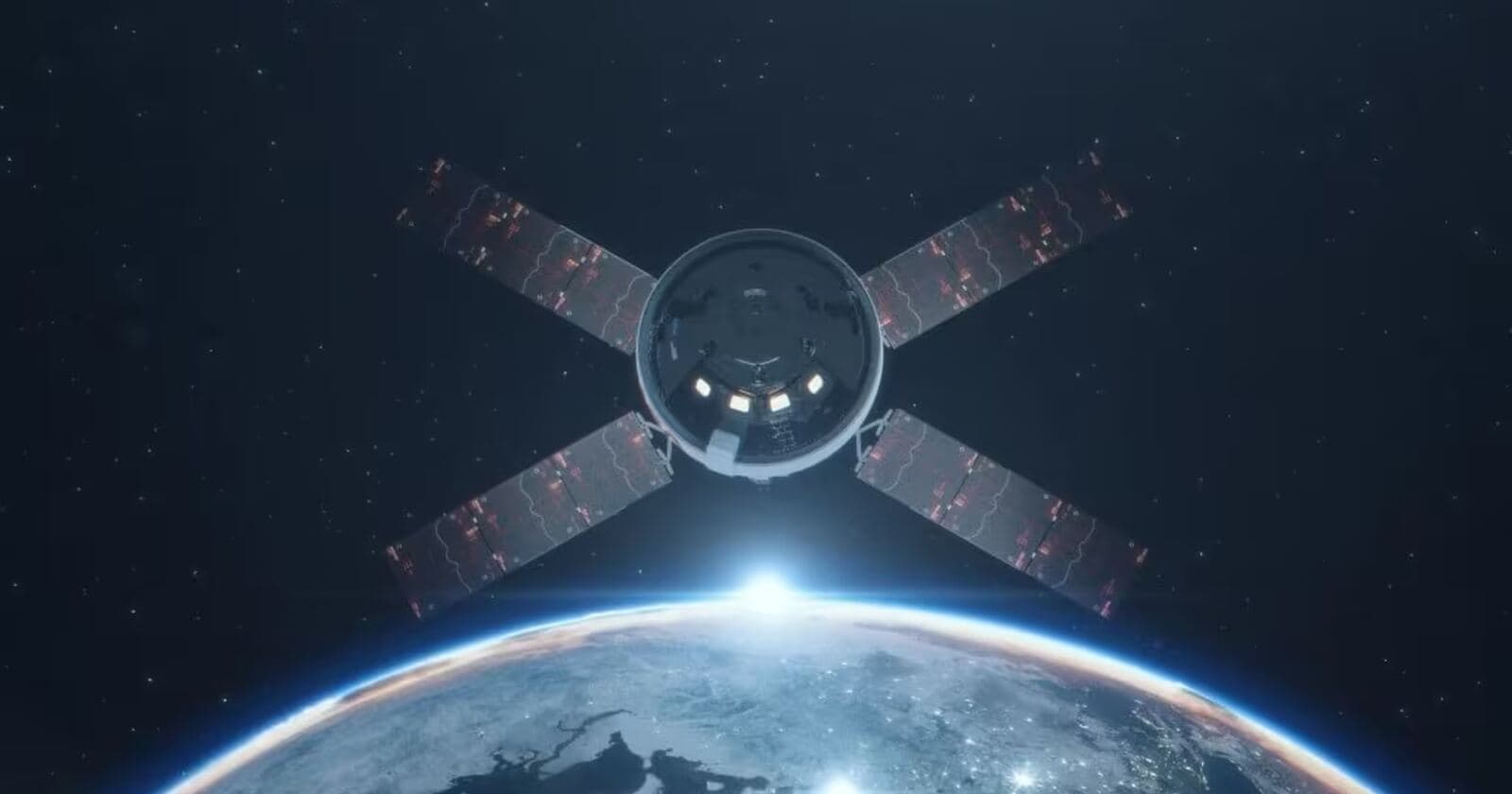
Image: ITzine
NASA plans to mount two Starlink Mini terminals on the Orion lunar spacecraft for Artemis III, using them to transmit video and telemetry during the mission. Instead of relying on conventional radio communications, the setup will use an optical link, which can move more data per session and is better suited to streaming video.
The terminals will be installed on the outside of the spacecraft and used to connect with Mission Control at the Johnson Space Center in Houston. NASA expects to receive not just operational data, but also higher-quality imagery — potentially up to 4K. For crewed flights, the source notes, that is no longer a public-facing demo but part of normal mission operations.
Artemis III is one of the most complex missions in the broader Artemis program. Its four-person crew is expected to rehearse rendezvous and docking between Orion and commercial lunar landers. Those maneuvers are meant to prepare for landing astronauts on the Moon’s surface, which NASA still targets for 2028.
Optical communications for Artemis
According to the source, optical communications have long been seen as one of the most promising ways to move data in space. NASA has already tested the approach in multiple missions and demonstrators, including for deep space and orbital communications. The advantages become especially clear on a crewed spacecraft when traditional links begin to struggle with video, large telemetry packages, and high-resolution imagery.
Recommended reading
SpaceX Fully Fills Booster 21 Ahead of Mechazilla Catch Try
For SpaceX, the Artemis role builds on technology that is already in regular use. The company says Starlink now operates more than 25,000 inter-satellite laser links, which it uses not only for data exchange between satellites but also for telemetry from Starship test flights. That makes Starlink’s role in the lunar program look less like an experiment and more like an extension of an existing system into harsher conditions.
NASA’s shift toward commercial communications
The Orion test also reflects NASA’s broader move toward commercial communications networks as part of future space infrastructure. The agency’s Space Communications and Navigation division and the Communications Services Project are evaluating whether NASA can rely more on the market instead of building every communications layer as part of a single government-owned chain.
That trend extends beyond Artemis. NASA already brings in contractors for communications, navigation, and cargo delivery, while private companies are increasingly taking over roles that once required dedicated agency satellites and ground systems. If the Artemis III tests go smoothly, laser communications could become a standard option for future missions to the Moon and beyond.

Frontier Editor
Dan is our resident futurist, covering electric mobility, space exploration, and the smart home. He's interested in atoms just as much as bits. Whether it's a new battery chemistry, a reusable rocket, or a protocol that finally makes IoT devices talk to each other, Dan breaks down the engineering that pushes humanity forward.
via ITzine