• 2 min read
NASA shifts SunRISE launch to Falcon Heavy
NASA will launch the six-satellite SunRISE solar mission on SpaceX Falcon Heavy instead of ULA’s Vulcan Centaur. The launch date has not been announced.
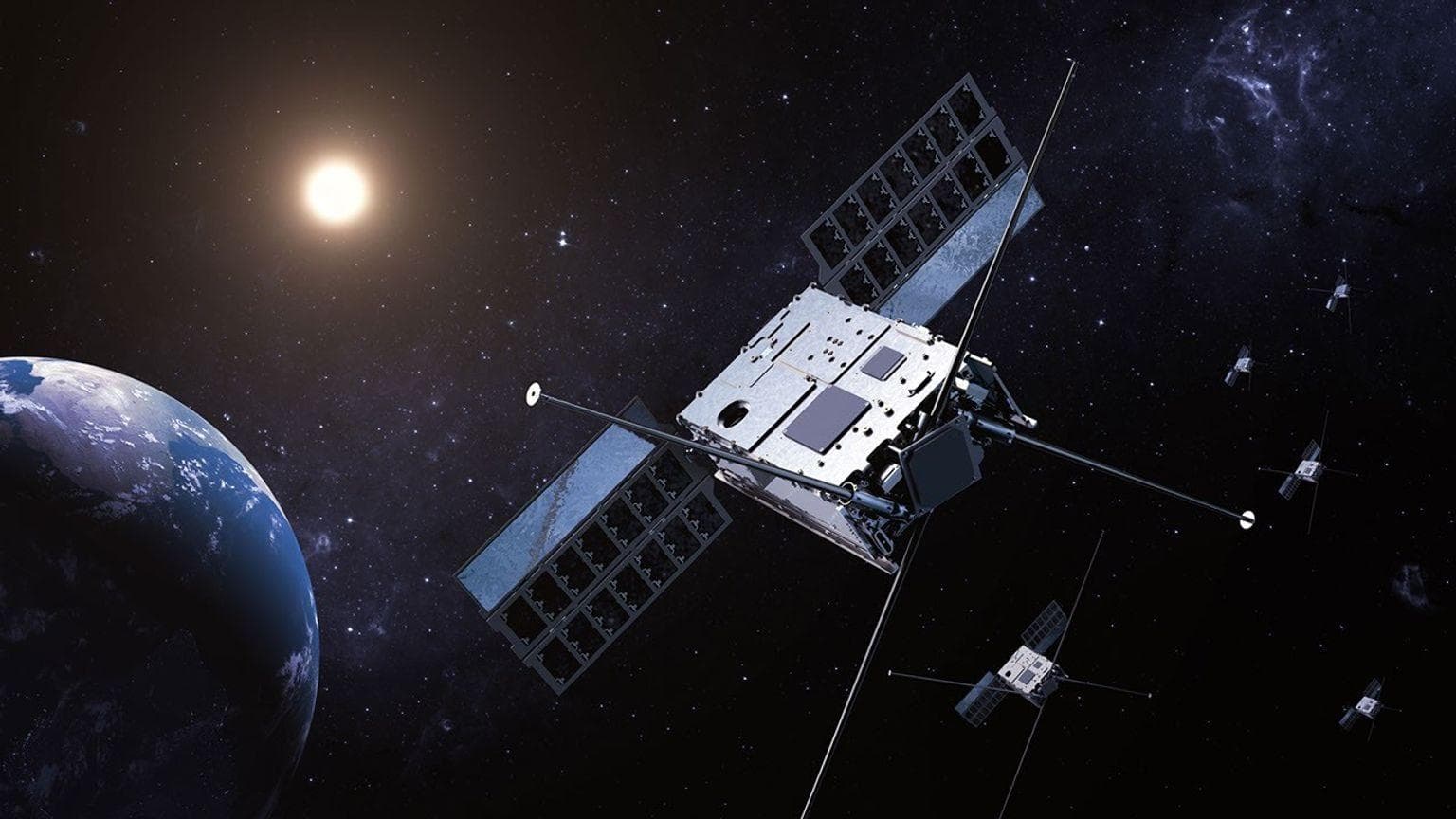
Image: iXBT
NASA has changed the launch vehicle for its SunRISE (Sun Radio Interferometer Space Experiment) mission: instead of United Launch Alliance’s Vulcan Centaur, the agency will send the mission’s six scientific satellites to space on SpaceX Falcon Heavy.
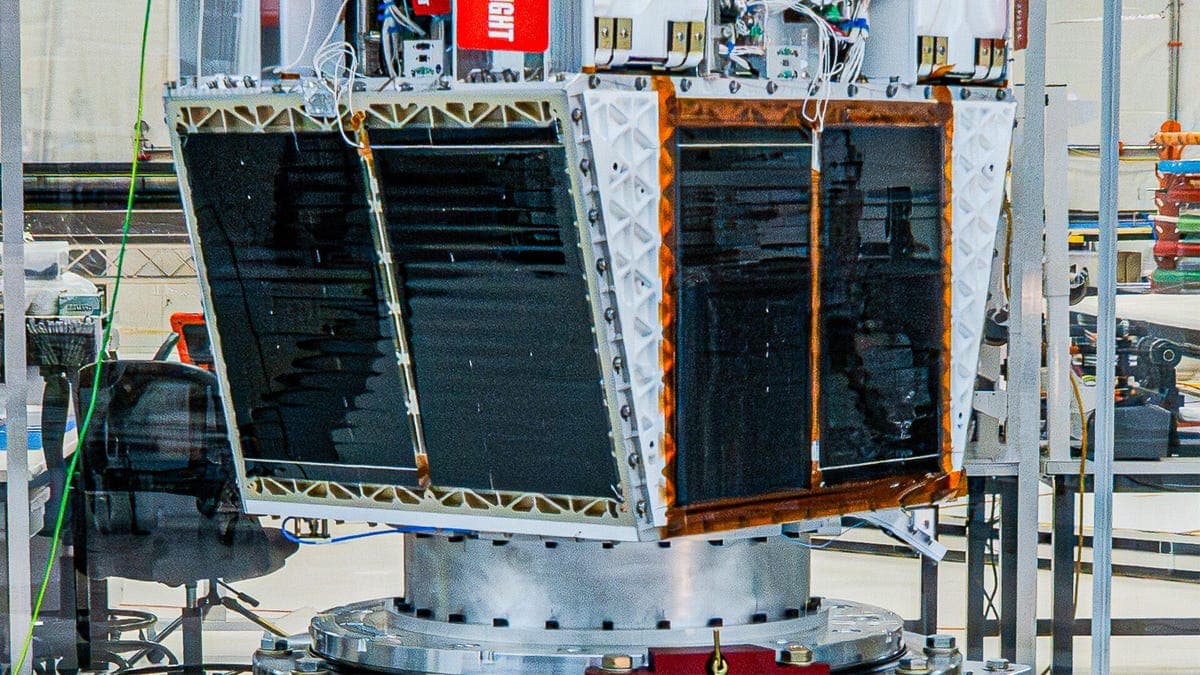
The launch will take place from Kennedy Space Center in Florida as part of a joint mission organized by the U.S. Space Force, though NASA has not yet announced a specific date. All spacecraft in the constellation have already been assembled and tested.
SunRISE is designed to study radio emissions from the Sun generated in its outer atmosphere, the corona. To do that, the six small satellites will operate as a single radio interferometer, effectively forming a virtual radio telescope antenna stretching tens of kilometers across. The spacecraft will be placed slightly above geostationary orbit, at an altitude of about 35,000 kilometers.
The mission will track radio bursts produced when charged particles emitted by the Sun are accelerated. Because those radio signals reach Earth before the particle streams themselves, detecting them could provide an early-warning system. During major solar storms, those particles can disable satellites, disrupt electronics, and increase radiation risks for astronauts.
Recommended reading
New test rig pushes molten salt seals to 2,300 hours
By combining data from all six spacecraft, scientists will be able to pinpoint where solar radio bursts originate and follow how the associated matter ejections spread. That should improve understanding of space weather and make forecasts more accurate.
The satellites have successfully completed testing at the Space Dynamics Laboratory at Utah State University and are now in storage awaiting final confirmation of the launch schedule.

Frontier Editor
Dan is our resident futurist, covering electric mobility, space exploration, and the smart home. He's interested in atoms just as much as bits. Whether it's a new battery chemistry, a reusable rocket, or a protocol that finally makes IoT devices talk to each other, Dan breaks down the engineering that pushes humanity forward.
via iXBT