• 2 min read
New laptops hide old chips behind fresh branding
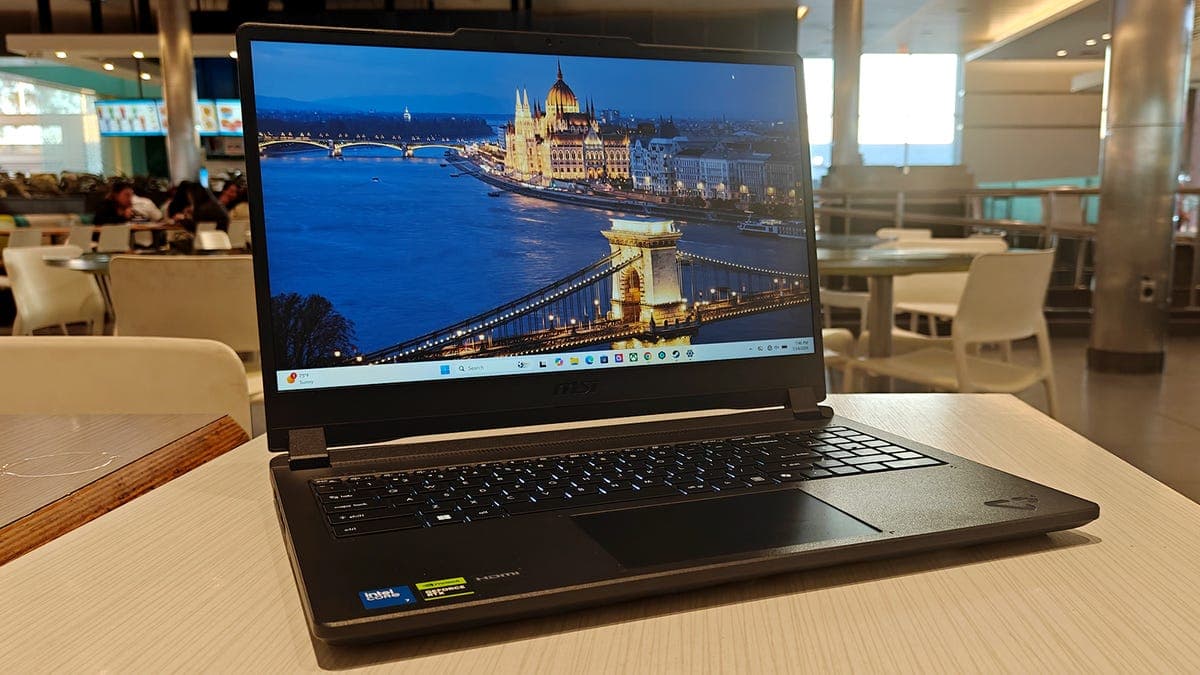
PCWorld says laptop buyers are being misled by processor names as AMD and, to a lesser extent, Intel reuse older silicon in new systems.

Image: PCWorld
PC makers are selling new laptops with older processors, and PCWorld argues the branding is making it harder for buyers to tell what they’re actually getting. The issue, as Mark Hachman frames it, is not reusing older silicon by itself. It’s that aging chips are being marketed and priced like fresh hardware.
According to the piece, AMD is the clearest example. Its Ryzen 8000 mobile processors, launched in Dec. 2023, were described at the time as “architecturally aligned” with the Ryzen 7000 chips released 12 months earlier. Then, in early 2025, AMD renamed those chips as the Ryzen 200 lineup. PCWorld points to the Ryzen 5 7640HS — launched April 30, 2023 — and the Ryzen 9 270 as sharing the same Zen 4 architecture.
The pattern continued in 2026, when AMD launched seven “new” Ryzen 200 parts, from the Ryzen 3 205 to the Ryzen 7 253, still based on Zen 4, which AMD launched in January 2023. Hachman also cites reporting from TweakTown that AMD added four new Ryzen 100 chips using Zen 3+ “Rembrandt” designs dating back to 2022.
Intel gets some criticism too, but less of it. Hachman notes that Intel has revived older hardware under names such as “Raptor Lake Refresh” and “Arrow Lake Refresh,” which he sees as more transparent because the refresh label signals that the design is not entirely new.
The pricing is where this hits buyers. PCWorld found Lenovo ThinkPads with a Ryzen 250 selling for $900 to $1,000. Hachman contrasts that with a $600 Dell XPS 13 and the Apple MacBook Neo, saying the Dell and Apple machines use more modern chip designs while costing less. He also takes issue with Lenovo promoting features such as “AI experiences” and NPUs when those chips deliver just 16 TOPS.
Recommended reading
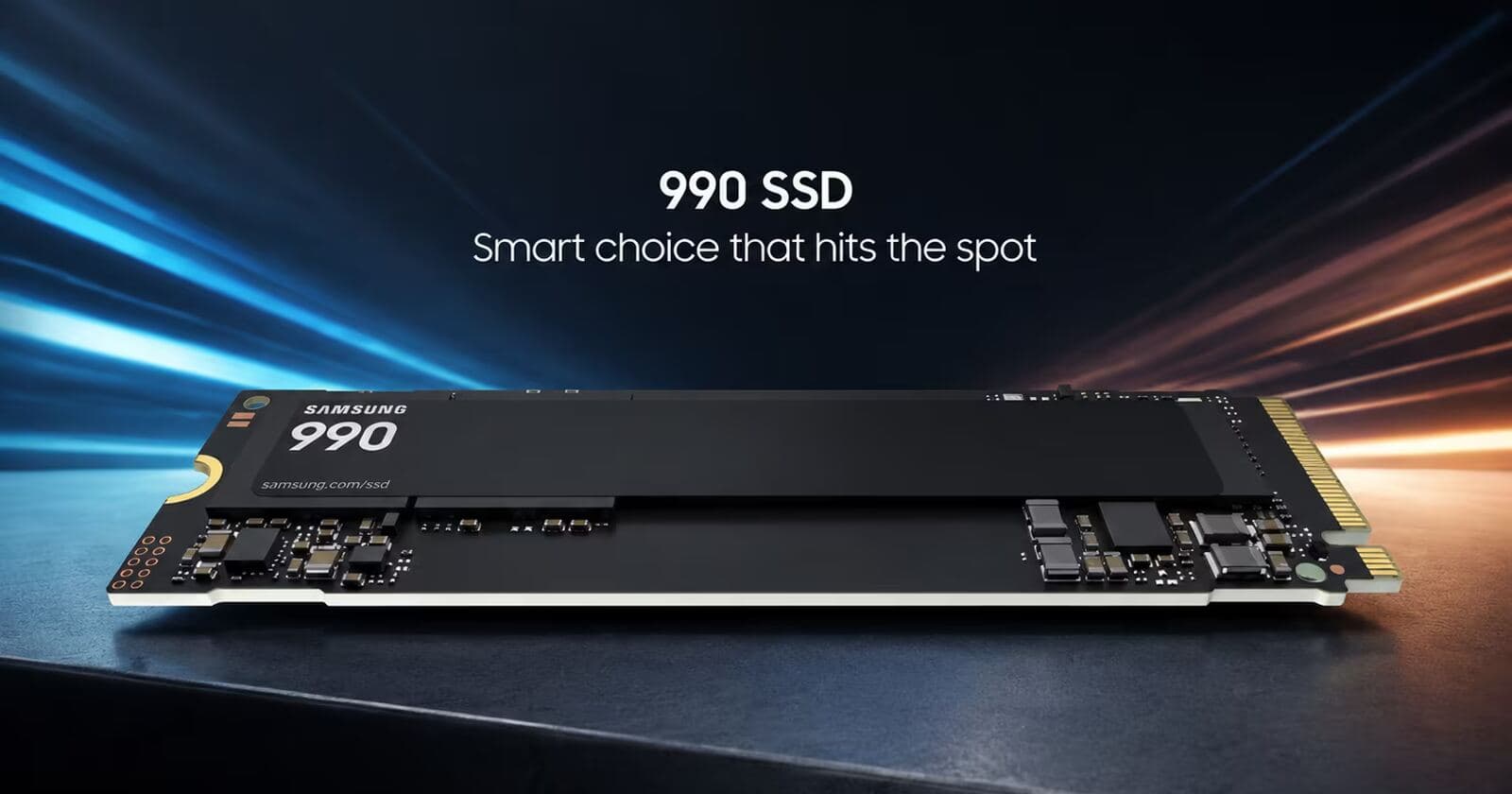
Samsung 990 SSD hits 7,250 MB/s with a 2TB option
The broader point is simple: laptop hardware has improved in plenty of visible ways, from 1200p displays to lighter designs and better port layouts. But the processor name — once the easiest shorthand for what was inside — now often obscures more than it explains.

Computing Editor
Tomas lives in the terminal. He covers chips, laptops, and operating systems with a focus on performance and efficiency. He reads kernel changelogs the way other people read fiction, and he's always on the hunt for the perfect mechanical keyboard switch. If it processes data, Tomas has an opinion on it.
via PCWorld