• 2 min read
NtechLab brings AI cameras to universities
NtechLab says its new university pilot will track lecture attendance in real time and check faces at entrances against watchlists.
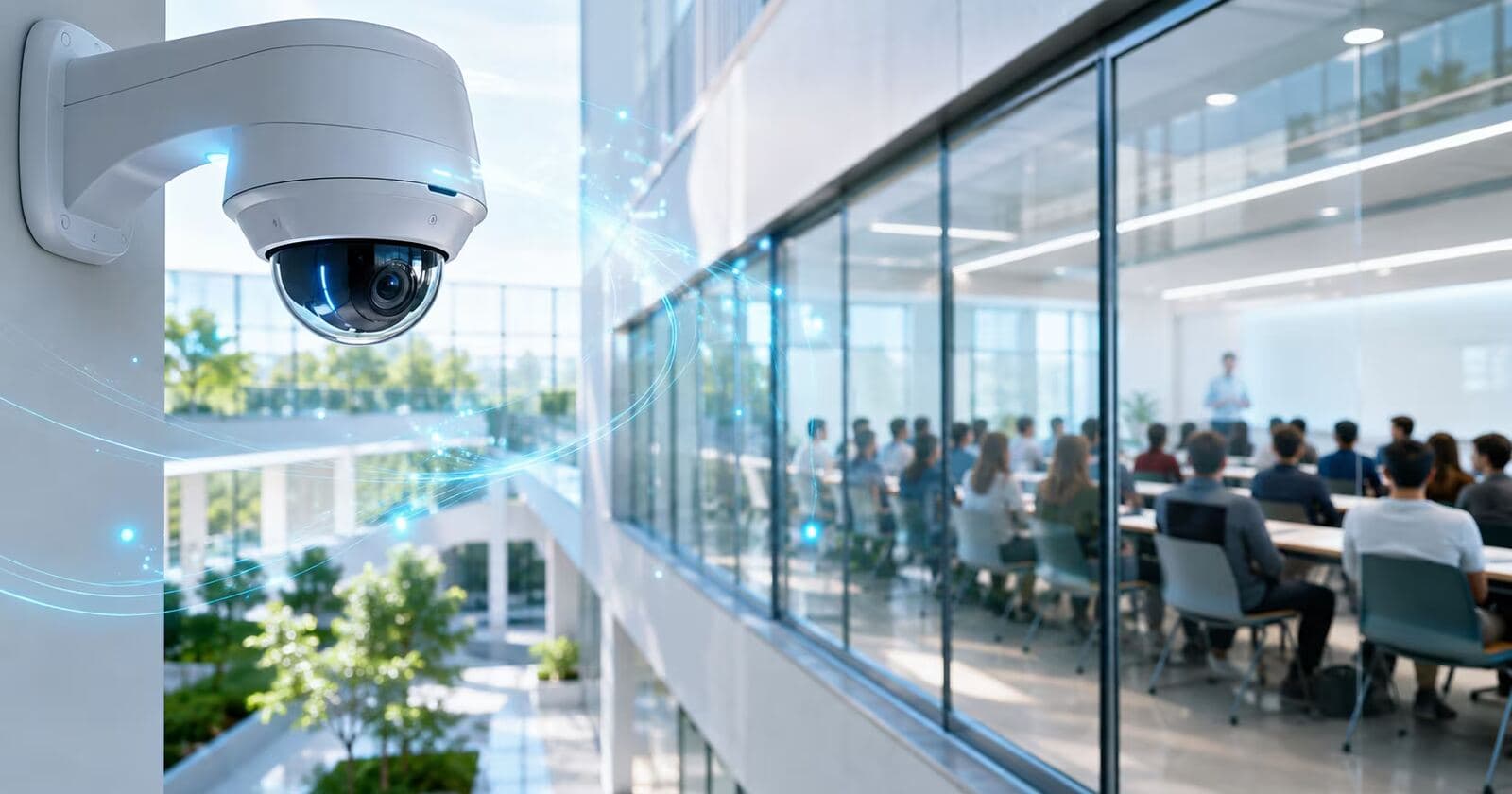
Image: ITzine
NtechLab has started deploying a video analytics system in Russian universities that counts students during lectures in real time and compiles attendance statistics for each class. The same cameras, placed at building entrances, can compare faces against blacklists and wanted-person databases for campus security, the company told TASS.
The first project is launching at one of the country’s largest universities, according to the company. In practice, the system takes over tasks that universities often handle manually or indirectly: instructors mark who showed up, administrators review reports, and faculty try to work out which courses students are skipping.
NtechLab says its algorithms can produce a more accurate picture and flag problems before they appear in end-of-semester records. CEO Alexey Palamarchuk said the effect is not only disciplinary: if a course consistently draws a half-empty classroom, the university gets a signal to reconsider the syllabus or teaching format. He also framed it as a way to connect attendance, scheduling, classroom utilization, and security within a single system.

Recommended reading
Europe’s chip push won’t end US cloud reliance
The second part of the project centers on campus safety. At entrances, the algorithms recognize faces, compare them with blacklists, and can immediately send an alert to security staff.
For NtechLab, this is not a completely new use case. The company is known for urban surveillance systems and face recognition projects, and it has been within Rostec’s perimeter since 2021. NtechLab says its technology has already been used in 34 countries and more than 70 regions of Russia.
Universities in Russia already use turnstiles with passes and QR-based systems, but those tools track entry into a building rather than attendance at a specific lecture. Similar systems abroad have more often appeared in proctoring and access-control setups, while large-scale face recognition inside classrooms remains rare and controversial.
If the pilot shows it can reduce absenteeism without running into disputes over consent and biometric data storage, it could open a sizable new market: Russia has hundreds of public and private universities.
Enterprise Editor
Marcus follows the money. He covers enterprise software, cloud architecture, and the tectonic shifts in Big Tech strategy. He translates dense earnings calls and complex M&A activity into actionable insights about where the industry is actually heading. If a tech giant makes a silent pivot, Marcus is usually the first to notice.
via ITzine